How to Make Your Home Safer and More Comfortable

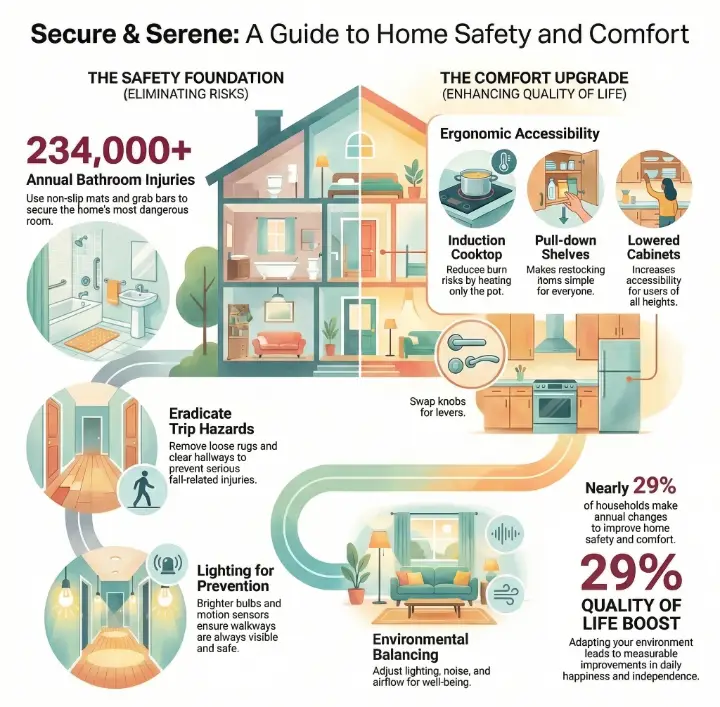
You want your home to feel safe and comfortable. Every year, almost 29% of households make changes for better safety or comfort. When you start Adapting the Home Environment for Comfort and Safety, you can enjoy more independence, less worry about accidents, and a boost in your quality of life. Take a look at some common benefits people notice:
Benefit Type | Description |
|---|---|
Improved Safety | You feel less fearful about falling and safer during daily activities. |
Independence | You can do more on your own, like showering without help. |
Comfort | You feel warmer and enjoy more space. |
Ease of Use | Tasks in the kitchen and bathroom become easier. |
Quality of Life Improvement | Life feels better overall, with a nearly 10% improvement. |
Even small steps bring peace of mind and make your home a happier place.
Key Takeaways
Assess your home for hidden risks. Look for trip hazards, unsafe stairs, and check smoke detectors to enhance safety.
Prioritize comfort by evaluating temperature, lighting, and noise levels. Small changes can significantly improve your daily living experience.
Start with urgent safety upgrades. Focus on securing heavy furniture, installing grab bars, and removing loose rugs to prevent accidents.
Enhance outdoor safety with proper lighting and maintenance. Clear pathways and use non-slip materials to enjoy your yard confidently.
Consider smart home features for added safety and convenience. Devices like smart locks and cameras can provide peace of mind.
Assessing Needs
Identifying Risks
You want your home to feel safe, but sometimes hidden dangers lurk in everyday places. Start by walking through each room and look for spots that might cause accidents. Falls are a big concern. Every year, millions of people visit the emergency room because of falls, and many suffer serious injuries like fractures or head trauma. Fires, drowning, and carbon monoxide poisoning also pose risks, especially for older adults. Ask yourself questions as you move around:
Can you get in and out of your home easily?
Are stairs safe and sturdy?
Do you have handrails or grab bars where needed?
Are smoke detectors working near the kitchen and bedrooms?
Is your list of emergency phone numbers easy to find?
Take notes as you go. If you spot loose rugs, slippery mats, or cluttered hallways, mark them down. These hazards can lead to trips and falls.
Finding Discomforts
Comfort matters just as much as safety. Think about how you feel in each space. Is the room too hot or cold? Does the lighting bother your eyes? Maybe loud noises or poor air quality make you uncomfortable. Surveys help you track these feelings. You can monitor things like thermal comfort, lighting, sound, and air quality.
Are you able to reach items in closets and cabinets without stretching?
Is your bed or sofa easy to get in and out of?
Do you struggle with faucets or light switches?
Write down anything that makes daily life harder. Tailored surveys can help you capture specific conditions that affect your comfort.
Setting Priorities
Now that you have a list of risks and discomforts, decide what to fix first. Experts recommend starting with the biggest hazards. Secure heavy furniture, add outlet covers, and check that all doors lock properly. Plumbing and foundation issues can affect hygiene and safety, so keep an eye out for those.
Remove loose rugs and secure mats with non-skid backing.
Install handrails and grab bars in stairways and bathrooms.
Make sure smoke detectors work and emergency numbers are handy.
You don’t have to do everything at once. Focus on the most urgent changes. Adapting the Home Environment for Comfort and Safety starts with small steps, but each improvement makes your home safer and more comfortable.
Adapting the Home Environment for Comfort and Safety
Entryways and Hallways
You start your journey at the front door. Entryways and hallways set the tone for safety in your home. Many accidents happen here, but you can make simple changes to lower the risk.
Modification Type | Description |
|---|---|
Install brighter bulbs and motion-sensor nightlights in hallways and entryways. | |
Remove Trip Hazards | Clear loose rugs, clutter, and electrical cords to prevent falls. |
Install Ramps | Create step-free entryways with ramps for easier access, especially for mobility aids. |
Bright lighting helps you see clearly, even at night. Motion-sensor lights turn on when you walk by, so you never have to fumble for a switch. Remove anything that could trip you, like shoes, toys, or cords. If you use a wheelchair or walker, ramps and wide doorways make moving around much easier. These changes are a big part of adapting the home environment for comfort and safety.
Living Spaces
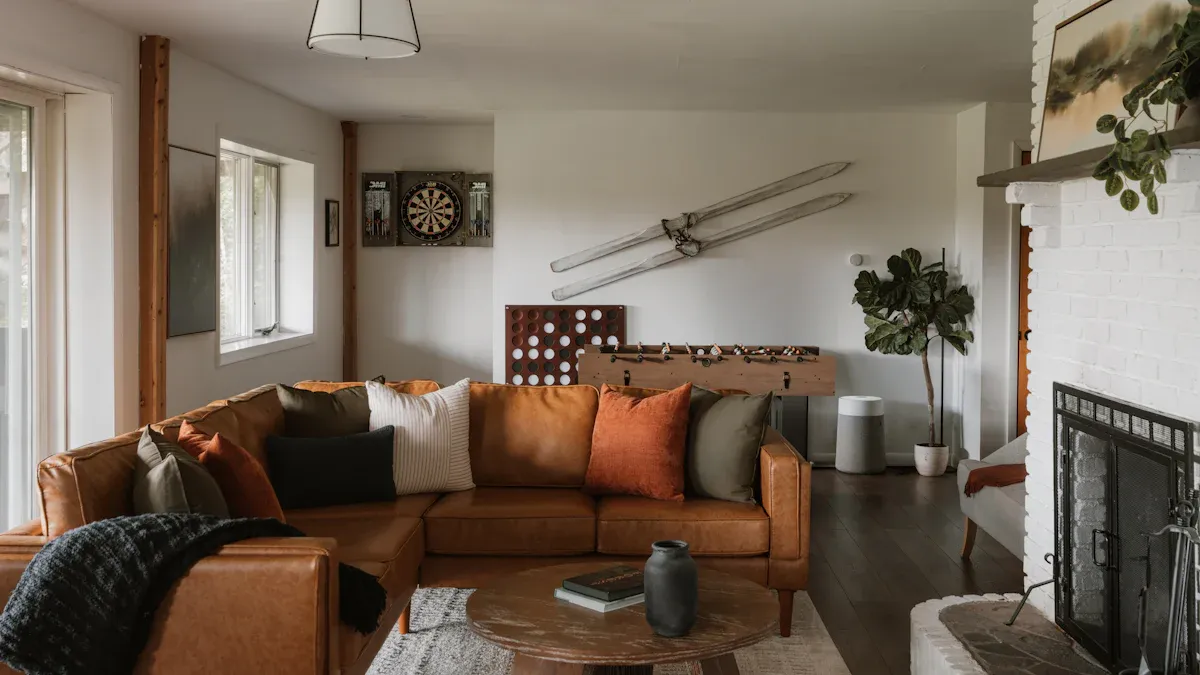
Your living room should feel cozy and safe. Experts say falls, fires, and even carbon monoxide are common hazards in these spaces. Here are the top risks:
Falls
Fires
Carbon monoxide
Choking
Cuts
Poisoning
Strangling
Drowning
Burns
You can lower these risks by keeping walkways clear and installing smoke and carbon monoxide detectors. Arrange furniture so you have plenty of space to move. Choose soft edges on tables and keep cords tucked away.
For comfort, try these ideas:
Maximize natural light to boost your mood.
Add plants to clean the air and bring nature inside.
Arrange furniture for easy movement and relaxation.
Use calming colors and adjustable lighting for a peaceful vibe.
Organize shelves and storage to keep clutter away.
Adapting the home environment for comfort and safety in your living spaces means you can relax and enjoy your time at home.
Kitchen
The kitchen is the heart of your home, but it can also be dangerous. Many injuries happen here, from cuts and burns to slips and falls. Take a look at some common causes:
Cause of Accident | Description |
|---|---|
Cuts and Lacerations | Sharp knives and broken glass can cause serious injuries. |
Burns | Hot surfaces and liquids are a frequent source of burns. |
Slips, Trips, and Falls | Wet or greasy floors lead to many accidents. |
Liquid Spills | Spilled drinks or soups can cause slips and burns. |
Repetitive Motion Injuries | Chopping and stirring for long periods can strain your hands and arms. |
Broken Plates and Glassware | Dropped dishes can shatter and cut your skin. |
Fire | Cooking fires are a real risk in any kitchen. |
You can make your kitchen safer and easier to use by:
Keeping everyday items at the front of shelves.
Using under-cabinet lights with motion sensors.
Choosing long oven mitts and anti-splatter lids.
Installing slip-resistant mats on the floor.
Adding voice-activated assistants for hands-free help.
Switching to pull-out drawers and lowered cabinets for easy access.
Installing grab bars near counters for extra support.
Feature | Description |
|---|---|
Lowered cabinets | Easier to reach for everyone. |
Pull-down shelves | Simple to restock and grab items. |
Induction cooktops | Only heat when a pot is present, reducing burn risk. |
Side-opening ovens | Safer for people with limited mobility. |
Lever-style fixtures | Easier to use than traditional knobs. |
Adapting the home environment for comfort and safety in the kitchen helps you cook with confidence.
Bathroom
Bathrooms can be slippery and dangerous, especially for older adults. In one year, over 234,000 people went to the emergency room for bathroom injuries. For adults over 65, bathroom injuries make up 2.5% of all unintentional injuries. You can make your bathroom safer with a few smart upgrades:
Add non-slip bath mats and shower treads.
Install grab bars and handrails near the toilet and in the shower.
Use a shower chair or transfer bench for safe bathing.
Raise the toilet seat to make sitting and standing easier.
Choose a walk-in tub to avoid stepping over high edges.
Try a hand-held showerhead for more control.
Tip: Keep the bathroom floor dry and remove clutter to prevent slips.
Adapting the home environment for comfort and safety in the bathroom gives you peace of mind every day.
Bedroom
Your bedroom should be a restful retreat. Many people complain about airflow problems, heat from electronics, and humidity. These issues can make it hard to sleep well. Humidity can cause musty smells or dry skin, depending on the level. Too much heat from lights or TVs can also disturb your rest.
Source of Airflow Imbalances |
|---|
Duct leakage |
Central return installations |
Closing interior doors |
Absence of air balancing |
Exhaust fans |
You can improve comfort and safety in your bedroom by:
Keeping the room dark to help you sleep.
Using a fan or white noise machine to block out sounds.
Decluttering to avoid tripping hazards.
Choosing breathable bedding and upgrading your mattress.
Storing items properly and making your bed each day.
Using noise-blocking curtains for a quieter space.
Note: Darkening your room and keeping it tidy can make a big difference in how well you sleep.
Adapting the home environment for comfort and safety in your bedroom helps you wake up refreshed.
Outdoor Areas
Outdoor spaces can be fun, but they also have risks. Insects, snakes, and poisonous plants can cause problems. Overgrown bushes or poor lighting can make you feel unsafe. You can make your yard safer and more comfortable with a few changes.
Modification Type | Description |
|---|---|
Use non-slip materials to prevent falls, especially when wet. | |
Pool Lifts | Help people with mobility challenges get in and out of pools safely. |
Raised Garden Beds | Make gardening easier for everyone, including wheelchair users. |
Motion-Detecting Lights | Light up walkways and entries without searching for switches. |
Accessible Door Handles and Locks | Make doors easier to open for people with limited grip. |
The Right Patio Furniture | Choose furniture that is easy to use and comfortable for all. |
Lowered Windows and Peepholes | Let everyone see outside and check visitors easily. |
Winterization | Clear snow and ice from paths to keep them safe in winter. |
You can also trim bushes and keep lawns neat to improve visibility and security. Open green spaces help you feel safer and more relaxed. Adapting the home environment for comfort and safety outside lets you enjoy your yard with confidence.
By focusing on each area, you make your home safer, more comfortable, and easier to enjoy. Adapting the home environment for comfort and safety is a journey, but every step brings you closer to a happier, healthier home.
Safety and Comfort Upgrades
Lighting Improvements
You can transform your home with better lighting. Good lighting helps you see clearly and avoid accidents. Motion-activated lights and nightlights make it easy to move around at night. Security lighting protects your property and keeps you safe. Photocells with timers turn lights on and off based on sunlight, so you never walk in the dark. Take a look at some lighting options:
Evidence | Description |
|---|---|
Security Lighting | Enhances safety and protects property, reducing accidents and crime. |
Photocells/Timers | Improve visibility during low light conditions automatically. |
Proper Street Lighting | Reduces danger in crosswalks and intersections, helping drivers stay aware. |
Ambient lighting gives you general illumination. Task lighting helps you with cooking or reading. Accent lighting highlights obstacles and emergency exits. Smart lighting lets you control lights from your phone, making your home feel safer and more comfortable. Natural light boosts your mood and well-being.
Flooring and Tripping Hazards
You want floors that keep you safe. Slip-resistant vinyl flooring is a game-changer. It offers grip and traction, especially in high-traffic areas.
Slip-resistant flooring will dramatically reduce accidents. It’s the safest choice for your home because it offers grip and resistance to skidding.
Keep rugs secure and repair loose boards. Declutter floors to prevent trips. Here are some tips for different areas:
Area | |
|---|---|
Flooring | Secure rugs, repair boards, keep floors clear |
Lighting | Use bright lights and nightlights |
Stairs | Add handrails, clear steps, fix damage |
Bathroom | Install grab bars, use non-slip mats |
Kitchen | Keep items easy to reach, clean spills, use rugs |
Outdoor | Clear ice/snow, repair steps, add outdoor lights |
Emergency Preparedness
You need a plan for emergencies. Create a disaster preparedness plan before anything happens. Stay calm and follow instructions from local authorities. Help others stay calm too. Assess risks and identify possible emergencies. Work together with your family so everyone knows what to do.
Have a disaster plan ready.
Stay safe by following instructions.
Remain calm and help others.
Keep following instructions until recovery starts.
Younger homeowners often want more information about disaster preparedness. Many older homeowners feel confident but have not taken protective steps. Training and education can improve safety for everyone.
Smart Home Features
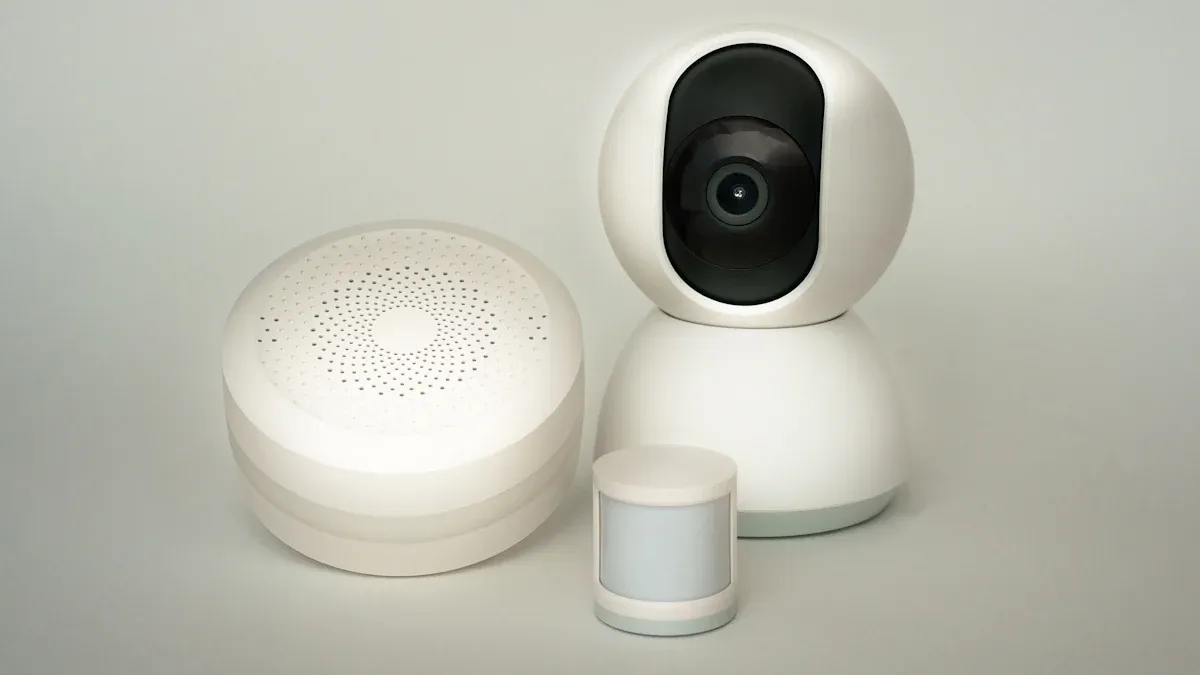
Smart home features make life easier and safer. You can use smart cameras and doorbell cameras for security. Motion sensors and smart locks give you keyless entry and remote access. Health monitoring devices like smartwatches and air quality monitors help you stay healthy.
Smart lighting mimics natural daylight for comfort.
Temperature regulation adjusts based on occupancy and weather.
HVAC integration gives you personalized climate control.
Human Centric Lighting adapts to natural light patterns.
Adapting the Home Environment for Comfort and Safety means using upgrades that fit your needs. These changes boost safety, comfort, and even your home’s value.
You can make your home safer and more comfortable by checking each area, fixing hazards, and adding cozy touches. Small changes, like improving lighting or using slip-resistant flooring, really matter. Take a look at how ongoing improvements help:
Area Improved | Positive Outcomes | Evidence Quality |
|---|---|---|
Better safety and comfort | High/Medium | |
Rehabilitation | More activity and adherence | Positive |
Start with one room. Use plants, comfy furniture, and calming colors. You build momentum with each step. 🏡 Put safety and comfort first for yourself and your loved ones!
FAQ
How can I make my home safer without spending a lot of money?
You can start with small changes. Move clutter, add nightlights, and secure rugs. Test smoke detectors. These steps cost little but make a big difference.
What is the best way to prevent falls at home?
Keep walkways clear. Use non-slip mats in the bathroom and kitchen. Add grab bars where needed. Good lighting helps you see hazards.
Are smart home devices worth it for safety and comfort?
Yes! Smart lights, locks, and cameras give you control and peace of mind. You can check your home from anywhere. Many devices are easy to install.
How often should I check for hazards in my home?
Check your home every few months. Walk through each room and look for new risks. Fix problems right away. Regular checks keep you safe.
This article is for educational purposes only and is not a substitute for professional medical advice. For more details, please see our Disclaimer. To understand how we create and review our content, please see our Editorial Policy.
See Also
Join Us at Banish Cancer – A Place of Hope
Exploring Conjunctival Melanoma: Key Symptoms and Care Options
Unraveling Esophageal Cancer: Symptoms and Underlying Causes

© 2026 Banish Cancer. Banish Cancer is a registered non-profit organization providing evidence-based research, educational courses, and Fear Response AI support services. Reg. No: 305706884 | Address: Taikos pr. 43-603, Kaunas, Lithuania.