Simple Steps to Boost Air and Water Quality at Home

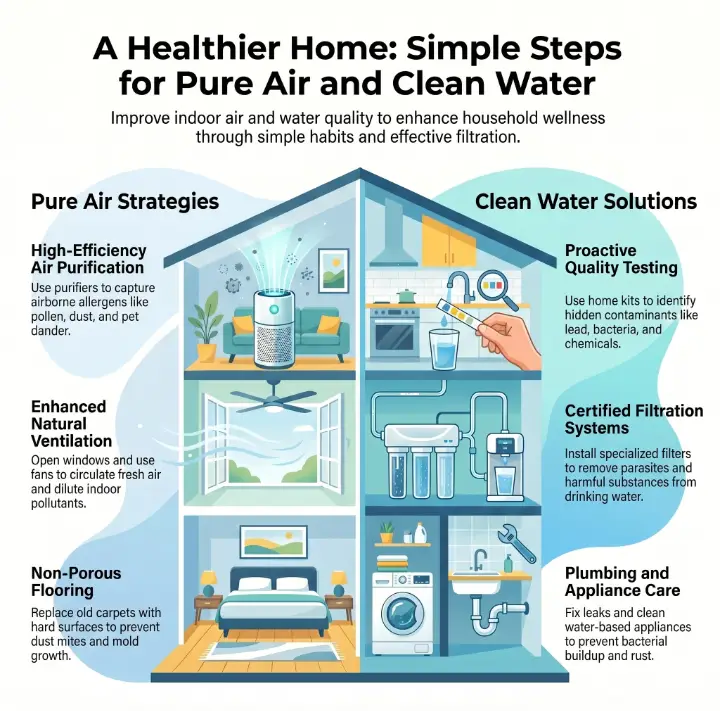
Here are simple steps you can take today to boost air and water quality at home. Clean air and water help you breathe easier and stay healthy. Poor air can cause coughing, itchy eyes, and worsen breathing problems. You can start Adapting Your Home for a Healthier Living Environment with easy tips that make a big difference.
Key Takeaways
Clean air and water are essential for good health. They help prevent respiratory issues and stomach problems.
Use air monitoring devices and high-quality air purifiers to track and improve indoor air quality.
Regularly test your water for contaminants and use effective filters to ensure safe drinking water.
Why Clean Air and Water Matter
Health Benefits of Clean Air
You breathe in air all day, so clean air makes a big difference for your body. When you have good air quality at home, you help your lungs and heart stay strong. Poor air can cause headaches, tiredness, and even make your eyes or throat feel scratchy. If you have asthma, dust and pet dander can make it worse. Some pollutants, like radon or carbon monoxide, can be very dangerous.
Here’s a quick look at how indoor air pollutants can affect your health:
Health Effects | Description |
|---|---|
Irritation of eyes, nose, and throat | You might feel itchy or uncomfortable right away. |
Headaches, dizziness, and fatigue | Bad air can make you feel tired or dizzy. |
Respiratory diseases | Breathing dirty air can lead to lung problems over time. |
Heart disease | Long-term exposure can hurt your heart. |
Cancer | Radon in the air can increase your risk of lung cancer. |
Asthma triggers | Dust, mold, and pet dander can make asthma worse. |
You can start Adapting Your Home for a Healthier Living Environment by paying attention to these risks and making small changes.
Health Benefits of Clean Water
Clean water keeps your body healthy and helps you avoid stomach problems. If your water looks cloudy or smells strange, it could make you sick. Studies show that people who drink filtered water get fewer stomach illnesses than those who drink regular tap water. Even water that meets safety rules can sometimes cause problems if it’s not clear.
Tip: Always check your water for changes in color, smell, or taste. Using a good filter can help protect your family from germs and chemicals.
When you focus on clean air and water, you help everyone in your home feel better and stay healthy.
Air Quality Tips for a Healthier Home
Install Air Monitoring Devices
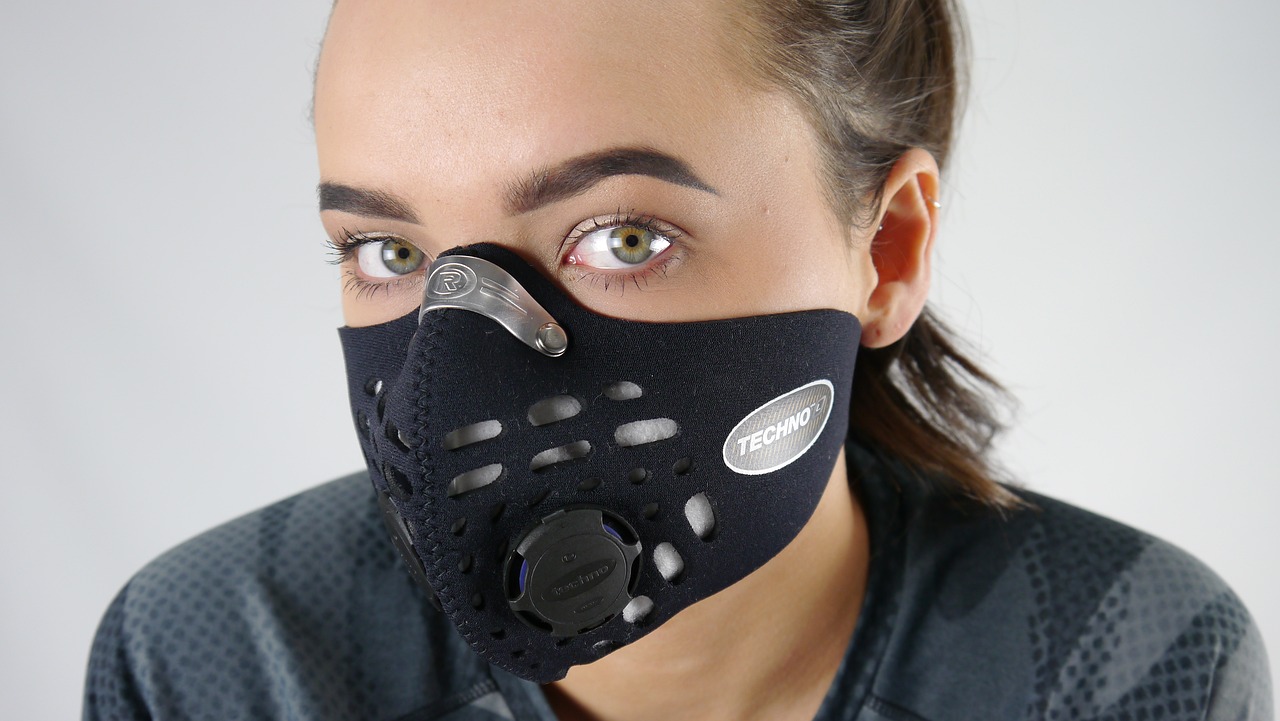
You can start improving your air quality by using air monitoring devices. These gadgets help you track levels of dust, pollen, and harmful gases in your home. When you know what’s in your air, you can take action right away. Many monitors connect to your phone, so you get alerts if something changes. This step makes Adapting Your Home for a Healthier Living Environment easier because you always know what needs attention.
Use High-Quality Air Purifiers
Air purifiers make a big difference, especially if you pick one with a HEPA filter. True HEPA filters capture at least 99.97% of airborne particles that are 0.3 microns in size. That includes pollen, dust, and pet dander. Studies show that HEPA air purifiers can lower indoor allergens and help people with allergies. The EPA says portable HEPA air cleaners can improve allergy and asthma symptoms. If you choose a purifier with a good Clean Air Delivery Rate (CADR), you can cut indoor particle levels by 50% or more.
HEPA filters trap pollen, dust, and pet dander.
Air purifiers help allergy and asthma symptoms.
Good CADR means cleaner air fast.
Maintain and Change Filters Regularly
You need to check and change filters in your HVAC system and air purifiers. Dirty filters make your system work harder, which raises your energy bills. Clogged filters also reduce airflow and let dust and allergens build up. If you skip filter changes, you might notice more dust on surfaces, frequent allergy symptoms, and even strange odors in your home.
Reduced HVAC lifespan and more repairs.
Poor indoor air quality and health issues.
Increased dust and allergy symptoms.
Tip: Replacing a dirty filter can lower energy use by 5 to 15%. You save money and breathe easier.
Clean HVAC and Dryer Vents
Cleaning your HVAC and dryer vents keeps air moving and stops dust from spreading. When vents get blocked, your system uses more energy and spreads contaminants. This can trigger allergies and make your utility bills go up. Clean vents mean your system lasts longer and your air stays fresh.
Clean vents reduce health risks for your family.
You waste less energy and pay lower bills.
Your HVAC equipment works better and lasts longer.
Reduce Indoor Pollution Sources
You can cut indoor pollution by making smart choices. Pick hard surface flooring or low-pile carpets to reduce dust. Seal gaps in doors and windows to keep pollutants out. Use certified products with low VOC emissions. Install high-quality air filters in your HVAC system to trap allergens.
Proper ventilation keeps air moving.
Air sealing stops pollutants from sneaking in.
Hard surface flooring makes cleaning easier.
Certified products mean fewer chemicals in your air.
Improve Ventilation
Ventilation helps remove or dilute indoor pollutants like CO2, formaldehyde, and dust. When you bring in fresh air, you lower the concentration of harmful stuff inside. You can open windows and doors when the weather is nice. Use fans to boost air circulation. If you live in a city, open windows when outdoor air is clean and use filters to manage pollution.
Note: Ventilation systems can lower indoor air pollutants. Different systems, like exhaust fans or balanced systems with energy recovery, all help improve air quality.
Choose Low-Emission Products
Low-emission products help you create a healthier home. Look for vacuum cleaners, air purifiers, paint, and cleaning products that release fewer chemicals. These products reduce allergens and keep your air cleaner.
Product Type | Benefits for Indoor Air Quality |
|---|---|
Vacuum Cleaners | Reduce allergens and improve air cleanliness |
Air Purifiers | Filter out pollutants and allergens from the air |
Paint | Low chemical emissions contribute to healthier indoor environments |
Cleaning Products | Minimize exposure to harmful chemicals and allergens |
Replace Carpets with Non-Porous Flooring
Old carpets trap dust, skin cells, and pet hair deep in their fibers. Dust mites thrive in carpets because they feed on trapped skin cells. Non-porous flooring, like Luxury Vinyl Plank (LVP), does not hold allergens. You can remove dust and pet hair with a damp mop. LVP does not release harmful chemicals and is easy to clean.
Feature | Luxury Vinyl Plank (LVP) | Old Carpet |
|---|---|---|
Surface Type | Hard, Non-Porous | Soft, Fibrous |
Allergen Retention | Zero (Sits on surface) | High (Traps deep) |
Dust Mites | Cannot survive | Thrives |
Cleaning Efficiency | 100% Removal | Surface clean only |
Moisture/Mold Risk | Resistant | High |
Adapting Your Home for a Healthier Living Environment means choosing flooring that does not trap allergens or moisture.
Quick Tips for Cleaner Air
You can make a big impact with simple daily habits:
Regular cleaning controls dust and pet dander. Use a certified vacuum and a moist cloth for dusting.
Open windows often to reduce air stagnation. If you have allergies, try pollen screens.
Pick cleaning products with low VOC emissions to keep irritants out of your air.
Callout: Small changes add up. When you focus on Adapting Your Home for a Healthier Living Environment, you help everyone breathe easier and feel better.
Adapting Your Home for a Healthier Living Environment: Water Quality

Test Water for Contaminants
You want to know what’s in your water before you make changes. Testing your water helps you spot problems early. You can buy simple test kits online or at hardware stores. Some kits check for bacteria, lead, and other chemicals. If you use well water, you should test it at least once a year. City water users can ask for a water quality report from their provider.
Here are some common water contaminants you might find at home:
Arsenic comes from pollution and can hurt your stomach and blood vessels.
Barium leaches from soil and damages kidneys.
Copper comes from pipes and causes digestive issues.
Lead from old pipes can raise blood pressure and cause other health problems.
Nitrate from fertilizers and septic systems affects blood oxygen, especially in babies.
Radium 226/228 occurs naturally and increases cancer risk.
Radon releases when water meets air and links to lung cancer.
If you find any of these in your water, you need to take action right away. Adapting Your Home for a Healthier Living Environment starts with knowing what you’re drinking.
Use Effective Water Filters
You can use water filters to remove many contaminants. Not all filters work the same way, so you need to pick the right one for your needs. Look for filters with NSF certification. These filters remove parasites, bacteria, and chemicals. Reverse osmosis systems work well for lead, copper, and other metals.
Here’s a quick look at how different filters handle contaminants:
Contaminant Type | Filter Type | Effectiveness |
|---|---|---|
Parasites | NSF certified filters (53 or 58), 1 micron or smaller, microfiltration, nanofiltration, ultrafiltration, reverse osmosis | Removes parasites |
Bacteria | 0.3 micron or smaller, ultrafiltration, nanofiltration, reverse osmosis | Removes bacteria |
Viruses | Nanofiltration, reverse osmosis | Removes viruses |
Chemicals | Reverse osmosis | Removes lead, copper, chromium, and more |
If you want clean water, you need to match the filter to the problem. Adapting Your Home for a Healthier Living Environment means choosing filters that protect your family.
Tip: Always check the filter’s certification and change it as recommended. Dirty filters can let contaminants back into your water.
Maintain Plumbing and Appliances
You keep your water clean by taking care of your pipes and appliances. Old pipes can leak lead or copper into your water. You should check for leaks and fix them right away. Water heaters and dishwashers need regular cleaning to prevent bacteria growth. If you see rust or discoloration, you might need to replace pipes or appliances.
Fix leaks to prevent water waste and contamination.
Clean appliances to stop bacteria and mold.
Replace old pipes to avoid lead and copper problems.
You help your family stay healthy when you maintain your plumbing. This step is a big part of Adapting Your Home for a Healthier Living Environment.
Practice Safe Water Storage
You need to store water safely if you keep extra for emergencies or daily use. Use clean, food-grade containers. Keep them in a cool, dark place. Don’t store water near chemicals or cleaning products. If you collect rainwater, use a filter before drinking it. Always label containers with the date so you know when to replace the water.
Note: Safe storage stops bacteria and chemicals from getting into your water. You protect your family and make sure you have clean water when you need it.
Quick Tips for Clean Water
You can make a big difference with small daily actions. Try these quick tips to keep your water clean:
Don’t dump harmful substances down the drain or outside.
Improve wastewater management by fixing leaks and using proper disposal methods.
Prevent soil erosion by planting grass or using mulch.
Limit fertilizer and pesticide use to protect water quality.
Protect natural water sources by keeping trash and chemicals away.
Use water-efficient appliances to save water.
Take shorter showers to conserve water.
Collect rainwater for watering plants or cleaning.
Support clean water projects in your community.
Callout: Every step counts. When you focus on Adapting Your Home for a Healthier Living Environment, you help everyone enjoy safer, cleaner water.
You can boost air and water quality at home with simple steps. Start by changing one habit today. Cleaner air and water help your heart, lungs, and sleep.
Protect your heart
Enhance kidney function
Keep adding good habits. They’ll become second nature and help your family thrive!
FAQ
How often should you change air filters?
You should change air filters every 1–3 months.
Tip: Check filters monthly if you have pets or allergies.
What’s the easiest way to test your water at home?
Buy a water test kit online or at a hardware store.
Follow the instructions.
Check for bacteria, lead, and other contaminants.
Can you improve air quality without buying expensive devices?
Yes, you can! Open windows, clean often, and use low-emission products.
Small changes make a big difference for your air.
This article is for educational purposes only and is not a substitute for professional medical advice. For more details, please see our Disclaimer. To understand how we create and review our content, please see our Editorial Policy.
See Also
Essential Insights on LGL Leukemia Symptoms and Treatment
Join Banish Cancer – A Place for Hope and Resilience
Understanding Basal Cell Carcinoma: Symptoms and Identification Guide

© 2026 Banish Cancer. Banish Cancer is a registered non-profit organization providing evidence-based research, educational courses, and Fear Response AI support services. Reg. No: 305706884 | Address: Taikos pr. 43-603, Kaunas, Lithuania.