How to Practice Alternate-Nostril Breathing for Relaxation
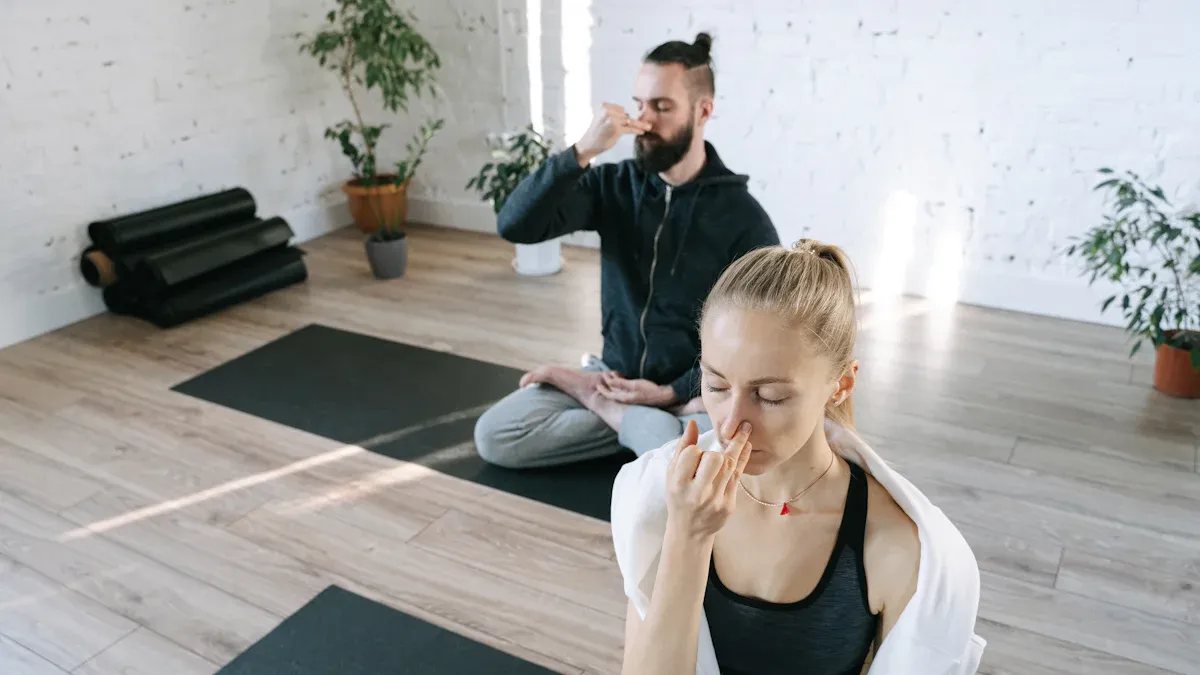
You can practice alternate-nostril breathing by using your fingers to gently close one nostril at a time while you breathe in and out. Alternate-Nostril Breathing: Balance Energy & Calm the Mind works well for quick stress relief. Most people can try this, but check with your doctor if you have breathing issues.
Key Takeaways
Alternate-nostril breathing is a simple technique that helps reduce stress and anxiety. It can be practiced almost anywhere without special tools.
This breathing exercise balances energy by alternating nostrils, promoting calmness and relaxation. Regular practice can lead to improved focus and mood.
To start, find a quiet space, sit comfortably, and follow the step-by-step breathing sequence. Aim for 5 to 10 minutes daily for the best results.
Alternate-Nostril Breathing: Balance Energy & Calm the Mind

What Is It?
Alternate-Nostril Breathing: Balance Energy & Calm the Mind is a simple breathing exercise from ancient Indian yoga. You use your fingers to close one nostril while you breathe in or out, then switch sides. This practice is also called Nadi Shodana. People have used it for thousands of years to help the mind and body feel better. You can find it in old yoga books like the Yoga Yajnavalkya. Today, many people use Alternate-Nostril Breathing: Balance Energy & Calm the Mind to ease stress and help with anxiety. Modern yoga teachers say it helps your heart, lungs, and brain by making you breathe slowly and gently.
Tip: You do not need any special tools or a lot of space. You can practice this technique almost anywhere.
How It Works
When you practice Alternate-Nostril Breathing: Balance Energy & Calm the Mind, you help your body and mind relax. Scientists have found that breathing through your left nostril can increase brain activity linked to calmness and rest. This means the technique may help balance your energy and make you feel more peaceful.
Studies show that doing this breathing exercise for several weeks can lower stress.
People who feel anxious or have been through tough times often feel better after practicing.
Ancient yoga says your body has energy channels called nadis. The left nostril connects to calm energy, and the right nostril connects to active energy. Balancing these can help you feel steady and relaxed.
Here is a quick look at how your body responds:
Metric | Change After Alternate Nostril Breathing | What It Means |
|---|---|---|
Low Frequency | Increased | More active energy |
High Frequency | Decreased | Less stress response |
LF/HF Ratio | Increased | Balance shifts toward calm focus |
Many people notice they feel less anxious and more balanced after just a few minutes. Alternate-Nostril Breathing: Balance Energy & Calm the Mind gives you a simple way to calm your mind and balance your energy, even on busy days.
Step-by-Step Instructions
Getting Ready
Before you start, set yourself up for comfort and focus. You want to feel relaxed and steady. Here’s how you can get ready:
Sit upright. You can choose a cross-legged pose, lotus position, kneeling, or just sit in a chair. Keep your spine and neck straight.
Close your eyes or pick a spot to look at. This helps you block out distractions.
Take a few deep breaths into your belly. Breathe in and out through your nose. Try to make your inhale and exhale the same length and as smooth as possible.
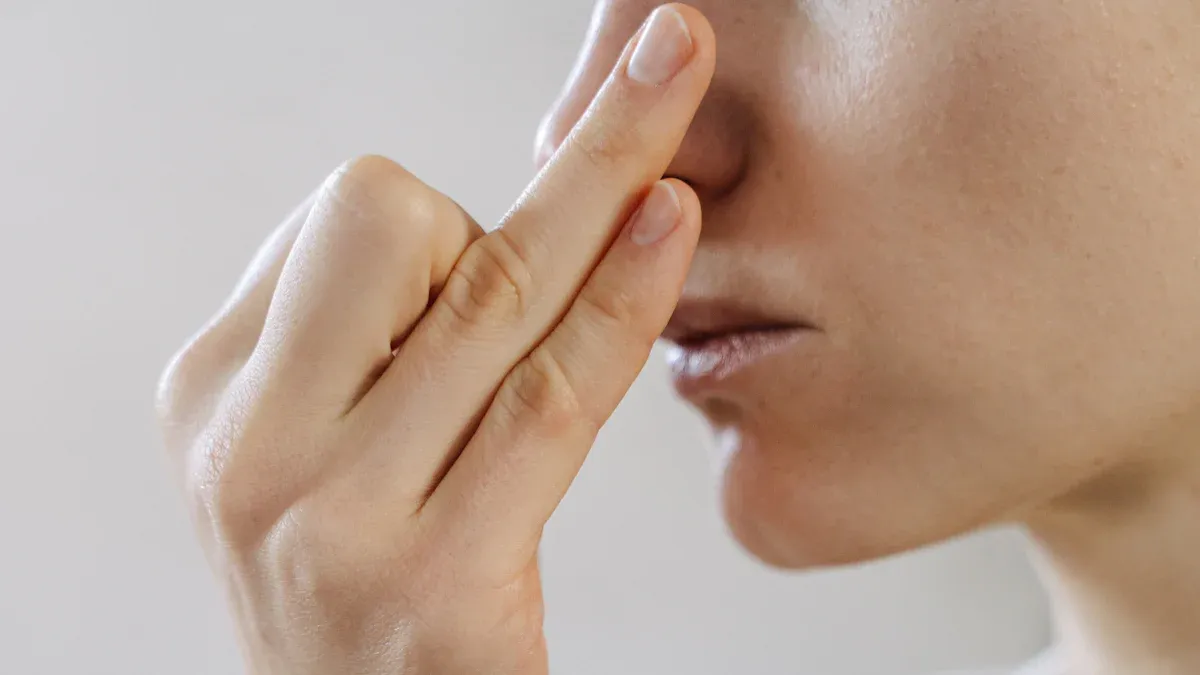
Get your hand ready. Bend your index and middle fingers to touch your palm. You’ll use your thumb and ring finger to close your nostrils.
Tip: If you feel more comfortable, use the hand that feels natural for you. Some people like to rest their fingers just above their nostrils.
Breathing Sequence
Now you’re ready to begin Alternate-Nostril Breathing: Balance Energy & Calm the Mind. Follow these steps:
Bring your right hand up to your face. Bend your index and middle fingers against your palm. Keep your thumb, ring, and pinky fingers extended.
Use your right thumb to gently close your right nostril.
Inhale slowly through your left nostril.
Close your left nostril with your ring finger.
Release your thumb and exhale through your right nostril.
Inhale through your right nostril.
Close your right nostril with your thumb again.
Release your ring finger and exhale through your left nostril.
That’s one full cycle. Repeat this cycle about 5 to 12 times, or for a total of three cycles (27 breaths) if you feel comfortable. You can go at your own pace. If you feel dizzy or short of breath, pause and breathe normally.
Step | Action | Which Finger? |
|---|---|---|
1 | Close right nostril | Thumb |
2 | Inhale left nostril | - |
3 | Close left nostril | Ring finger |
4 | Exhale right nostril | - |
5 | Inhale right nostril | - |
6 | Close right nostril | Thumb |
7 | Exhale left nostril | - |
Note: You can use Vishnu mudra by folding your index and middle fingers into your palm. This is a common hand gesture in yoga.
Tips for Beginners
Starting something new can feel tricky. Here are some tips to help you stay comfortable and focused:
Choose a quiet spot. You’ll find it easier to relax if you’re not distracted.
If you feel anxious or uncomfortable, stop and try again later. It’s normal to need a little practice.
Watch out for nausea, dizziness, or shortness of breath. If you notice these, take a break.
Keep your breath gentle. Don’t force it. Smooth, even breaths work best.
Use a timer if you want to keep track of your cycles, but don’t worry about being perfect.
Stay patient. You might not feel calm right away, but with practice, you’ll notice changes.
😊 Remember: You’re learning a skill that helps balance your energy and calm your mind. Take your time and enjoy the process.
Benefits & Safety
Relaxation Benefits
You might wonder what makes alternate-nostril breathing so special. Many people say it helps them feel calm and focused. Here are some benefits you can expect:
You may notice a big drop in stress after just a few minutes.
This practice helps you focus better and keeps your mind from wandering.
People often report feeling happier and more positive.
Your heart rate and blood pressure can go down, which signals your body to relax.
You might find it easier to slow down anxious thoughts and feel less restless.
Studies show that breathing exercises like this can lower cortisol, the main stress hormone in your body.
Many people say their mood improves, especially during tough times.
Note: Some research says other breathing techniques, like ujjayi or paced breathing, might work better for boosting energy or joy. Still, alternate-nostril breathing is easy to learn and gentle for most people.
When to Practice
You can practice alternate-nostril breathing almost anytime. Try it in the morning to start your day calmly. Use it before bed to help you unwind. You can also take a few minutes during a stressful moment at work or school. Most people find that five to ten minutes is enough. If you want, you can build up to longer sessions as you get comfortable.
Safety Tips
Stay safe while you practice. Here are some things to keep in mind:
Talk to your doctor if you have asthma, COPD, low blood pressure, or heart problems.
Skip the practice if you have a cold or blocked nose.
Start with equal inhales and exhales. Don’t hold your breath at first.
Stop right away if you feel dizzy, lightheaded, or uncomfortable.
If you notice chest pain, fainting, or vomiting, seek help.
Practicing with a yoga coach can help you learn the right technique.
Most healthy people, from kids to seniors, can try this at home.
😊 Listen to your body. If something feels wrong, take a break and breathe normally.
You can calm your mind and balance your energy with alternate-nostril breathing. Try practicing for 18 minutes or just 5–10 minutes daily in a quiet spot. Many people say it helps with tension, focus, and relaxation.
User | Reported Benefit |
|---|---|
User 1 | Calms nerves, relieves anxiety, improves focus, helps headaches, prepares for meditation |
Lisa | Relaxes the larynx, good for silent reflux |
Rodney Anulao | Tingling and grounding feeling |
Fleur | Enjoys frequent practice |
Remember to check with your doctor if you have health concerns. Tailor your routine to fit your needs.
FAQ
Can I practice alternate-nostril breathing every day?
Yes, you can do it daily. Many people find five to ten minutes each day helps them feel calm and focused.
What if my nose feels blocked?
Try breathing gently through your mouth until your nose clears. You can wait and practice when both nostrils feel open.
Do I need to sit in a special yoga pose?
No, you can sit in any comfortable position.
A chair works fine. Just keep your back straight and relax your shoulders.
See Also
Exploring Adrenocortical Adenoma: Symptoms And Treatment Options
Recognizing Symptoms And Causes Of Laryngeal Cancer
Basal Cell Carcinoma: Identifying Symptoms And Key Facts
Join Banish Cancer: A Place For Hope And Resilience
Symptoms And Treatments Of Lymphomatoid Granulomatosis Explained
© 2026 Banish Cancer. Banish Cancer is a registered non-profit organization providing evidence-based research, educational courses, and Fear Response AI support services. Reg. No: 305706884 | Address: Taikos pr. 43-603, Kaunas, Lithuania.