Creative Harmony: Healing Art and Music for Caregivers

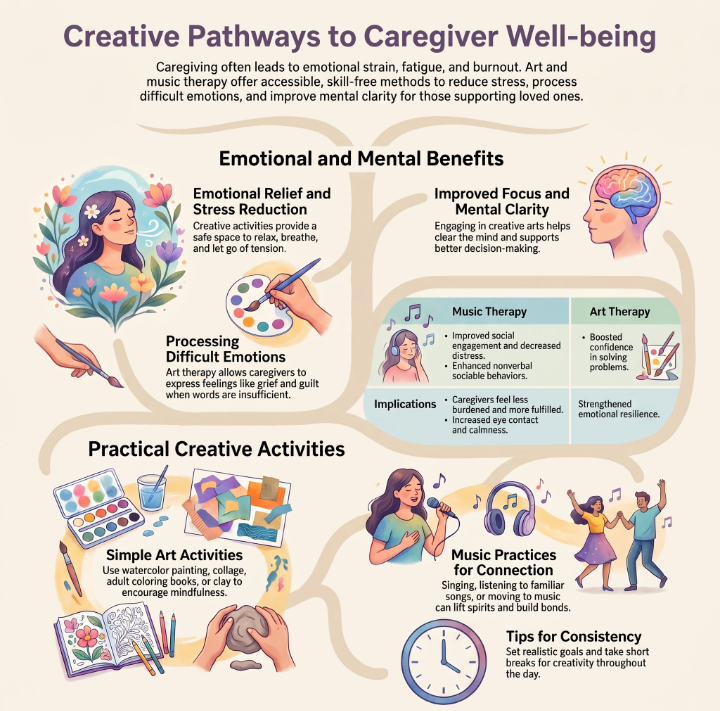
Caring for someone can feel overwhelming. You might face stress, sadness, or even burnout, just like many of the 53 million Americans who serve as unpaid caregivers.
40-70% report symptoms of depression.
Many experience emotional strain and fatigue.
You deserve relief and support. The Benefits of Art and Music Therapy for Caregivers bring comfort, help you process tough emotions, and lift your mood. These creative therapies are easy to try and can fit into your daily routine. Remember, you are not alone on this journey.
Key Takeaways
Art and music therapy provide emotional relief, helping caregivers reduce stress and anxiety through creative expression.
Engaging in creative activities allows caregivers to process difficult emotions like grief and guilt, promoting self-care and resilience.
Simple art and music practices can easily fit into daily routines, offering moments of joy and connection with loved ones.
Regular participation in creative therapies can improve mental clarity, focus, and overall well-being for caregivers.
You do not need special skills to benefit from art and music therapy; start small and enjoy the process of self-expression.
The Benefits of Art and Music Therapy for Caregivers
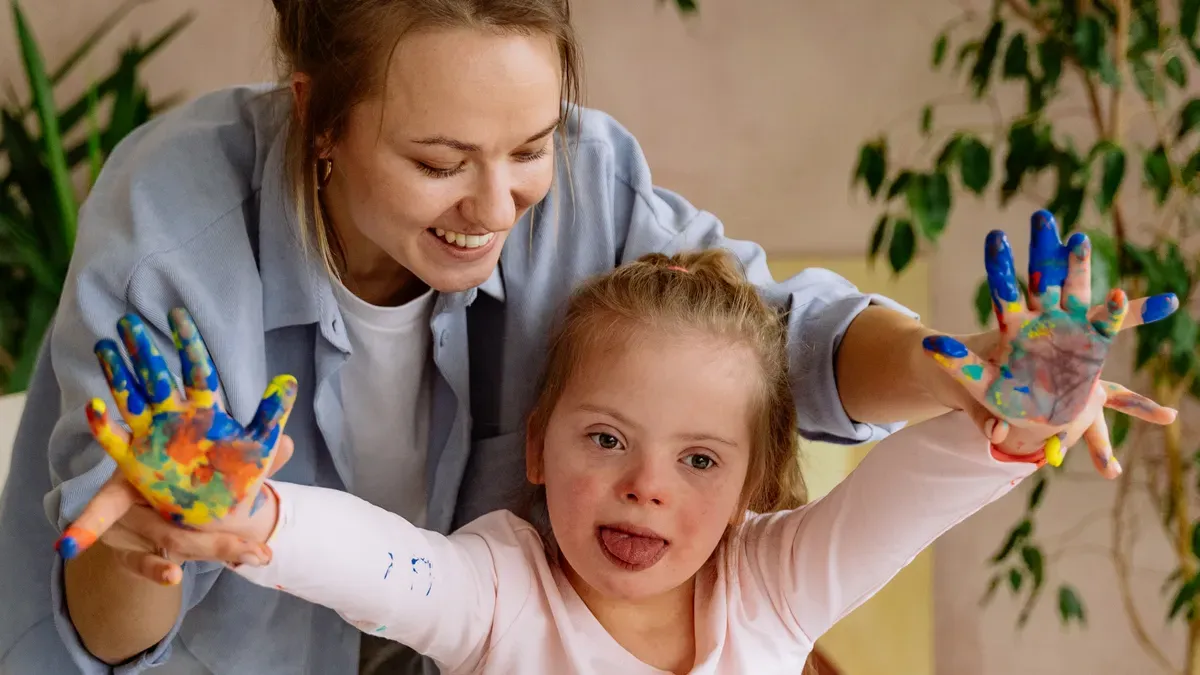
Emotional Relief and Stress Reduction
You carry a heavy load as a caregiver. Stress and anxiety can build up quickly. The Benefits of Art and Music Therapy for Caregivers include giving you a safe space to relax and breathe. When you take time for creative activities, you allow your mind to rest and your body to unwind.
A 2017 study in a radiation oncology unit showed that caregivers who joined 45-minute art therapy sessions felt less stressed, more positive, and more confident. You do not need to be an artist to feel these effects. Even simple drawing or listening to music can help you let go of tension.
Music can be a lifeline. Many caregivers say music helps them reconnect with themselves and their loved ones. It offers emotional support and helps you cope with daily challenges. Music can even help you rebuild connections during times of loss.
Music therapy helps you:
Lower anxiety levels
Feel supported emotionally
Reconnect with your loved one
Find comfort during mourning
Processing Difficult Emotions
Caregiving often brings up tough feelings like guilt, grief, or sadness. The Benefits of Art and Music Therapy for Caregivers include helping you face and process these emotions in a gentle way. Art therapy lets you express what words cannot. You might draw, paint, or create something that shows how you feel inside.
Art therapy helps you:
Explore feelings of loss at your own pace
Use symbols, like drawing a bridge, to understand change and transition
You may notice that children use art to work through their feelings. As a caregiver, you can do the same. Creating art gives you a chance to step back, reflect, and find new ways to cope. Experts say that many caregivers do not realize how much they neglect their own needs. Art therapy teaches you mindfulness and self-care, helping you manage your emotions and build resilience.
Art therapy also:
Promotes self-expression
Strengthens emotional resilience
Helps you navigate your thoughts and feelings
Boosts your confidence in solving problems
Boosting Mood and Joy
You deserve moments of happiness and joy. The Benefits of Art and Music Therapy for Caregivers reach beyond stress relief. These therapies can lift your mood and bring light into your daily routine. Music and art help you connect, communicate, and share joyful moments with your loved one.
Evidence Type | Findings | Implications |
|---|---|---|
Music Therapy | Caregivers felt less burdened and more fulfilled | |
Music Therapy | Enhanced nonverbal sociable behaviors | Increased eye contact, focus, and calmness |
Music Therapy | Reduced stress levels | Better connections between caregivers and loved ones |
Music and art can:
Help people with dementia engage and communicate
Evoke strong emotions and memories, bringing joy even in hard times
Build essential connections for emotional well-being
Real-life stories show the power of creative therapy. Dr. Popa’s research found that caregivers felt less anxious and saw improved moods in their loved ones. Families who use art therapy often talk more openly about the past and changes they face. You may feel relief and happiness when you see your loved one engaged and smiling.
"The nursing staff on the unit has noticed that for several hours following the group, those who have participated seem to have a better mood, are less agitated and more relaxed."
The Benefits of Art and Music Therapy for Caregivers can transform your daily life. You can find comfort, process your feelings, and rediscover moments of joy. Every small step you take toward self-care matters.
Mental Health Support for Caregivers
Improving Focus and Clarity
You often juggle many tasks and responsibilities. Creative therapies can help you clear your mind and sharpen your focus. Research shows that engaging in art therapy boosts mental clarity and helps you stay present. When you draw, paint, or listen to music, you reduce stress and anxiety. These activities encourage positive emotions, which support better thinking and decision-making. You can use art and music to regain control and feel more confident in your daily life.
Creative therapies that help you manage responsibilities:
Drawing, painting, and sculpting to express feelings
Using sound and rhythm in music therapy
Dance movement psychotherapy for physical release
Dramatherapy with storytelling and role-play
Managing Burnout and Fatigue
Caregiving can drain your energy and leave you feeling exhausted. The Benefits of Art and Music Therapy for Caregivers include tools to fight burnout and restore your strength. Studies show that creative activities reduce emotional exhaustion and improve self-care. You can find relief and rejuvenation through art and music.
Study Type | Findings on Burnout Reduction | Emotional Well-being Impact |
|---|---|---|
Systematic Review | Positive outcomes related to burnout | Improved emotional well-being |
Quantitative Studies | Emotional exhaustion improved | Rejuvenation and self-care |
Qualitative Studies | Increased empathy, less stress | High work stress reduced |
Long-term programs also help you manage fatigue and stress. Online meditation apps and smartphone-based interventions decrease anxiety and depression. You can join these programs to boost your physical health and knowledge.
Study | Intervention | Findings |
|---|---|---|
Kubo et al. | Online meditation app | Less stress, depression, and fatigue; better health |
Chaar et al. | mHealth interventions | Desire for positive activities and enhanced well-being |
Wang et al. | Care Assistant app | Less anxiety, depression, and care burden; more knowledge |
Safe and Supportive Environment
You need a space where you feel safe to express your feelings. Art and music therapy create supportive environments for emotional expression. Programs offer group activities, such as making portraits and collages, which help you cope with stress. Therapists guide you in using mindful breathing and art-making to relax and process emotions.
Art and music therapy provide:
Safety for expressing emotions in stressful situations
Group programs that build connections and support
Tailored interventions for relaxation and emotional processing
Activities that foster resilience and well-being
You can join programs that encourage mindfulness and self-care. You do not need artistic skills to participate. These therapies welcome everyone and help you share your experiences with others. The Benefits of Art and Music Therapy for Caregivers support your mental health and help you build a strong, caring community.
Simple Ways to Use Art and Music Therapy
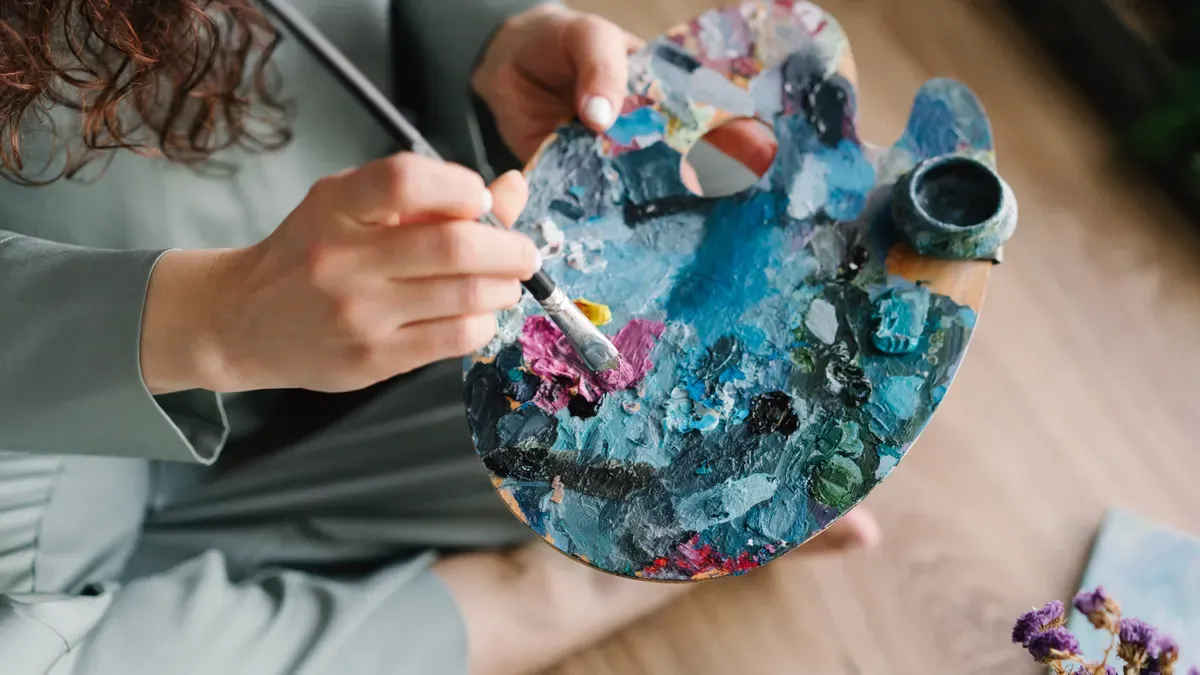
Easy Art Activities
You do not need special skills to enjoy art. Many therapists recommend simple projects you can do at home. These activities help you relax, express yourself, and connect with your loved one.
Paint-by-numbers kits offer easy, colorful results.
Watercolor painting lets you express feelings with gentle brushstrokes.
Collage and scrapbooking help you remember good times and spark conversation.
Air-dry clay gives your hands something soothing to do.
Adult coloring books are perfect for quick breaks.
Mosaic craft kits combine creativity with puzzle fun.
Pressed-flower art brings nature indoors.
Greeting-card making helps you stay in touch with family.
Creative arts like drawing or painting can lower your stress and anxiety. You can use art to show feelings when words are hard to find. These activities build emotional strength and boost your mood.
Simple Music Practices
Music can lift your spirits and calm your mind. You can try many music activities, even if you have little time.
Play an instrument, even if it is just a few notes.
Write a simple song about your day.
Listen to music that brings back happy memories.
Talk about song lyrics and what they mean to you.
Dance or move to your favorite tunes.
Make up your own music or improvise.
Use music for relaxation and deep breathing.
Practice | Benefit |
|---|---|
Singing | Improves mood and lung health |
Listening together | Reduces stress and builds connection |
Playing instruments | Boosts focus and emotional well-being |
Tips for Consistency
You can make art and music therapy a regular part of your life. Start small and build from there.
Set realistic goals. Choose one activity each day.
Take short breaks for creativity, even just 5-10 minutes.
Use technology like playlists on your phone or tablet.
Share music or art with your loved one for more joy.
Ask friends or family to join you for support.
The Benefits of Art and Music Therapy for Caregivers shine brightest when you make them part of your routine. Every creative moment helps you feel stronger and more hopeful.
You can find real relief and joy through art and music therapy. These creative outlets help you manage stress, boost your mood, and build resilience.
Benefit | Description |
|---|---|
Health Outcomes | Arts participation linked to reduced cognitive decline and improved mood. |
Emotional Resilience | Arts education helps you cope and bounce back from tough times. |
Quality of Life | Creative arts therapies enhance life for you and your loved one. |
Adding art and music to your day brings comfort and connection.
These therapies support your well-being and make caregiving more rewarding.
You deserve support and moments of self-care. Try something creative today and see how much brighter you can feel.
FAQ
What if I do not feel creative?
You do not need special skills. Art and music therapy focus on expression, not perfection. Try simple activities like coloring or listening to music. You can discover joy in the process.
How much time should I spend on art or music therapy?
Start with ten minutes a day. You can build a routine that fits your schedule. Short sessions help you relax and recharge. Consistency matters more than duration.
Can I do art and music therapy with my loved one?
Yes! You can share these activities together. Painting, singing, or listening to music can strengthen your bond. You both benefit from creative moments.
Are there affordable ways to try art and music therapy?
You can use free resources. Try online playlists, printable coloring pages, or recycled materials for crafts. Many community centers offer low-cost programs.
What if I feel overwhelmed and cannot start?
Begin with one small step. Choose a simple activity. You can ask a friend to join you. Every creative moment helps you feel stronger.
This article is for educational purposes only and is not a substitute for professional medical advice. For more details, please see our Disclaimer. To understand how we create and review our content, please see our Editorial Policy.
See Also
Exploring Symptoms And Treatment Options For Conjunctival Melanoma
Join Us At Banish Cancer – A Place Of Hope
Recognizing Symptoms And Treatment Strategies For Choroid Plexus Carcinoma

© 2026 Banish Cancer. Banish Cancer is a registered non-profit organization providing evidence-based research, educational courses, and Fear Response AI support services. Reg. No: 305706884 | Address: Taikos pr. 43-603, Kaunas, Lithuania.