Can Vitamin B3 Help Prevent or Treat Cancer in 2025

You may wonder if Vitamin B3 can lower your risk of cancer or help with treatment. Recent studies show promising results, especially for skin cancer. Look at the table below to see how research links Vitamin B3 to lower skin cancer risk.
Study Description | Findings | Reduction in Skin Cancer Risk |
|---|---|---|
Randomized trial in Australia (2015) | Included 386 individuals with a history of non-melanoma skin cancers | Reduced risk of new skin cancers |
Study of nearly 34,000 veterans | Linked B3 supplements to reduced non-melanoma skin cancers | 54% reduced risk for those taking 500 mg of nicotinamide twice daily for at least one month |
Cancer and Vitamin B3 (niacin) show a strong connection in these studies. You should know the facts before choosing supplements for prevention or treatment.
Key Takeaways
Vitamin B3, especially in the form of nicotinamide, can significantly lower the risk of new skin cancers, particularly for those with a history of skin cancer.
Studies show that taking 500 mg of nicotinamide twice daily can reduce skin cancer risk by up to 54%. Consult your doctor if you are at high risk.
Early research suggests Vitamin B3 may influence immune responses related to liver cancer, but this is still experimental.
While Vitamin B3 shows promise, it is not a cure for cancer. Use it alongside a healthy lifestyle and regular medical check-ups.
Always discuss with your doctor before starting Vitamin B3 supplements to ensure safety and proper dosage.
Cancer and Vitamin B3 (niacin): Latest Research
Skin Cancer Risk Reduction
You may want to know how Cancer and Vitamin B3 (niacin) connect when it comes to skin cancer. Recent studies show that nicotinamide, a form of Vitamin B3, can lower your risk of getting new non-melanoma skin cancers. Researchers in Australia found that people who took 500 mg of nicotinamide twice a day had fewer new skin cancers than those who did not take it. This result is important if you have had skin cancer before or spend a lot of time in the sun.
Tip: If you have a history of skin cancer, ask your doctor about nicotinamide. It may help reduce your risk of new skin cancers.
Doctors believe that Vitamin B3 helps repair DNA damage caused by UV rays. It also supports your skin’s natural defense system. You do not need to wait for years to see results. Some studies showed benefits after only a few months of use.
Liver Cancer and Immunity
Cancer and Vitamin B3 (niacin) also play a role in liver health. Scientists have studied how Vitamin B3 affects liver cancer, especially in people with chronic liver disease. Some research suggests that Vitamin B3 can boost your immune system. It may help your body fight cancer cells more effectively.
A recent study looked at how nicotinamide changes immune pathways in the liver. The results showed that people who took Vitamin B3 had stronger immune responses. Their bodies produced more natural killer cells, which attack cancer cells. This finding gives hope for new ways to prevent or treat liver cancer.
Study | Focus | Key Finding |
|---|---|---|
2023 Clinical Trial | Liver cancer patients | Improved immune cell activity has been observed in early studies. |
2022 Lab Study | Mice with liver tumors | Fewer tumors and better immune response |
You should know that most of these studies are still new. More research will help doctors understand how Cancer and Vitamin B3 (niacin) work together in the liver.
Recurrence Prevention
If you have already had cancer, you may worry about it coming back. Cancer and Vitamin B3 (niacin) have shown promise in lowering the risk of cancer recurrence, especially for skin cancer. In one large study, people who took nicotinamide had fewer new skin cancers over a year. This means Vitamin B3 may help reduce the risk of new non‑melanoma skin cancers.
Doctors think that Vitamin B3 works by helping your cells repair themselves. It also keeps your immune system strong. You should always talk to your doctor before starting any supplement. Not everyone will benefit in the same way.
Note: While Vitamin B3 shows promise, it is not a cure. Use it as part of a healthy lifestyle and regular check-ups.
Cancer and Vitamin B3 (niacin) continue to be a focus for researchers. You can expect more answers as new studies come out in 2025 and beyond.
How Vitamin B3 Works in the Body
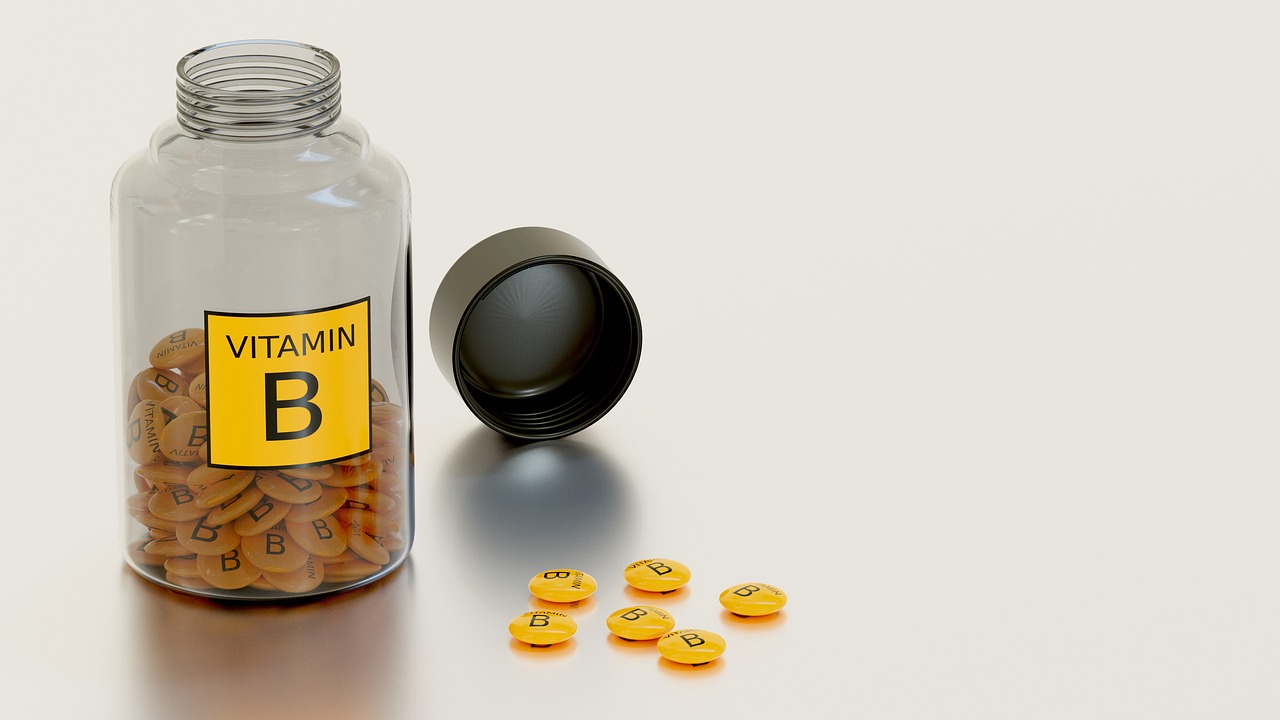
Mechanisms of Action
You might wonder how Vitamin B3 helps your body fight cancer. This vitamin, also called niacin or nicotinamide, plays several important roles:
It helps your cells make energy by increasing NAD+ levels. NAD+ is a molecule that keeps your cells healthy and working well.
High NAD+ levels protect your cells from damage caused by harmful molecules called reactive oxygen species. This protection keeps your cells strong and less likely to become cancerous.
Vitamin B3 helps repair DNA, especially in skin cells damaged by the sun. This repair process lowers your risk of skin cancer.
It supports your immune system, making it easier for your body to find and destroy cancer cells.
Here is a table showing how Vitamin B3 affects your immune system and killer cells:
Evidence Description | Implication |
|---|---|
Niacin rejuvenates and reactivates immune cells, especially myeloid cells. | |
It increases interferon-α14 from certain immune cells. | This protein helps stop tumor growth. |
Blocking interferon-α14 removes niacin’s tumor-fighting effect. | Shows how important this pathway is for cancer control. |
Types of Cancer Studied
Researchers have studied Cancer and Vitamin B3 (niacin) in several types of cancer. Most studies focus on skin cancer, where nicotinamide shows strong results in lowering new cases and helping prevent recurrence. Scientists have also looked at liver cancer. In these studies, Vitamin B3 improved immune responses and reduced tumor growth in both people and animals. Some early research explores its effects on brain tumors, like glioblastoma, but these findings need more study.
Limitations of Current Knowledge
You should know that scientists still have much to learn about Vitamin B3 and cancer. Most research shows benefits for skin cancer, but results for other cancers are less clear. Many studies use animals or small groups of people. Doctors do not know the best dose for everyone or how long you should take it. You should always talk to your doctor before starting any new supplement.
Note: Vitamin B3 may help lower your cancer risk, but it is not a cure. Use it as part of a healthy lifestyle and regular check-ups.
Who Benefits Most from Vitamin B3?
High-Risk Groups
You may wonder if you belong to a group that benefits most from Vitamin B3. Some people face a much higher risk of skin cancer. If you have a weakened immune system, your risk increases even more. For example, people who have had a kidney transplant often take medicines that lower their immune defenses. This makes them up to 250 times more likely to develop non-melanoma skin cancers than people with healthy immune systems.
A study with kidney transplant patients showed that those who took nicotinamide had fewer new skin cancers, although the results did not reach statistical significance.
Another study found that 88% of these patients saw at least some improvement in actinic keratosis, which can turn into skin cancer, after taking nicotinamide.
If you have a history of skin cancer, spend a lot of time in the sun, or have a weakened immune system, you may benefit from Vitamin B3.
Tip: If you are in a high-risk group, talk to your doctor about whether Vitamin B3 could help you.
Doctor Recommendations
Doctors often recommend nicotinamide for people who have already had skin cancer. Dermatologists have seen that people who take nicotinamide get fewer new skin cancers. In one clinical study, people who took nicotinamide had a lower chance of getting another skin cancer. A recent review of over 33,000 patients showed a 14% drop in skin cancer risk for those taking nicotinamide. If you start treatment after your first skin cancer, your risk may drop by as much as 54%. Right now, doctors do not suggest that everyone take nicotinamide. They focus on people with higher risk.
Dosage and Supplement Advice
You should always ask your doctor before starting any supplement. Most studies use 500 mg of nicotinamide twice a day. This dose seems safe for most adults. You can get Vitamin B3 from food, but supplements may be needed for higher doses. Do not take more than your doctor recommends. Too much Vitamin B3 can cause side effects. Always follow your doctor’s advice for the best results.
Safety and Side Effects
Common Side Effects
You may wonder if Vitamin B3 is safe for you. Most people can take nicotinamide without problems. Some people notice mild side effects. You might feel stomach upset, nausea, or headaches. Sometimes, you may see redness or flushing of your skin. These effects usually go away when you stop taking the vitamin or lower the dose.
Side Effect | How Often It Happens | What You Can Do |
|---|---|---|
Stomach upset | Sometimes | Take with food |
Headache | Rare | Drink water, rest |
Skin flushing | Sometimes | Use nicotinamide, not niacin |
Nausea | Rare | Lower the dose |
Tip: If you notice any side effects, talk to your doctor. Do not ignore symptoms that bother you.
Contraindications
Some people should not take Vitamin B3. You need to be careful if you have certain health problems or take certain medicines. Here are some reasons you should avoid nicotinamide:
You take anticonvulsants like carbamazepine. Nicotinamide can raise the drug level in your blood and increase side effects.
You have low platelets. Nicotinamide may make this problem worse.
Always check with your doctor before starting any new supplement. Your doctor can help you decide if Vitamin B3 is safe for you.
Medication Interactions
Vitamin B3 can interact with other medicines. You should tell your doctor about all the medicines you take. Some drugs may not work well with Vitamin B3. For example, nicotinamide can change how your body handles certain cholesterol medicines, diabetes drugs, or blood thinners. You may need extra blood tests if you take these together.
Note: Keep a list of your medicines and share it with your healthcare team. This helps you avoid unwanted problems.
You can lower your risk of side effects by following your doctor’s advice. Always use the dose your doctor recommends. Never start or stop a supplement without medical guidance.
You now know that Vitamin B3, especially nicotinamide, can help lower your risk of skin cancer. The table below highlights the main findings:
Key Findings | Details |
|---|---|
Risk Reduction | Nicotinamide lowers skin cancer recurrence by 14%, and by 54% for those with one prior case. |
Importance of Timing | Starting nicotinamide soon after diagnosis gives the most benefit. |
Expert Recommendation | Dermatologists support nicotinamide for skin cancer prevention with sunscreen. |
Nicotinamide may protect your skin from UV damage. You should not use it as a replacement for medical care. Always talk to your doctor before starting any supplement. More research will help answer remaining questions.
FAQ
Can you get enough Vitamin B3 from food alone?
You can get Vitamin B3 from foods like chicken, fish, peanuts, and whole grains. Most people meet their needs through diet. High doses used in studies come from supplements, not food.
Should you take Vitamin B3 if you have never had cancer?
You do not need to take Vitamin B3 supplements if you have no history of cancer or high risk. Eating a balanced diet gives you enough. Always ask your doctor before starting any supplement.
How long does it take for Vitamin B3 to show results?
You may see benefits in a few months. Studies on skin cancer showed results after 3 to 12 months of daily use. Your doctor can help you track progress.
Is Vitamin B3 safe for children?
Doctors do not recommend high-dose Vitamin B3 supplements for children. Children usually get enough from food. If you have concerns, talk to your pediatrician.
Can you stop using sunscreen if you take Vitamin B3?
Important: You should never stop using sunscreen. Vitamin B3 may help lower skin cancer risk, but sunscreen protects you from harmful UV rays. Use both for best protection.
#BanishCancer

© 2026 Banish Cancer. Banish Cancer is a registered non-profit organization providing evidence-based research, educational courses, and Fear Response AI support services. Reg. No: 305706884 | Address: Taikos pr. 43-603, Kaunas, Lithuania.