Why Immediate Tumor Removal Is Not Always the Best Choice

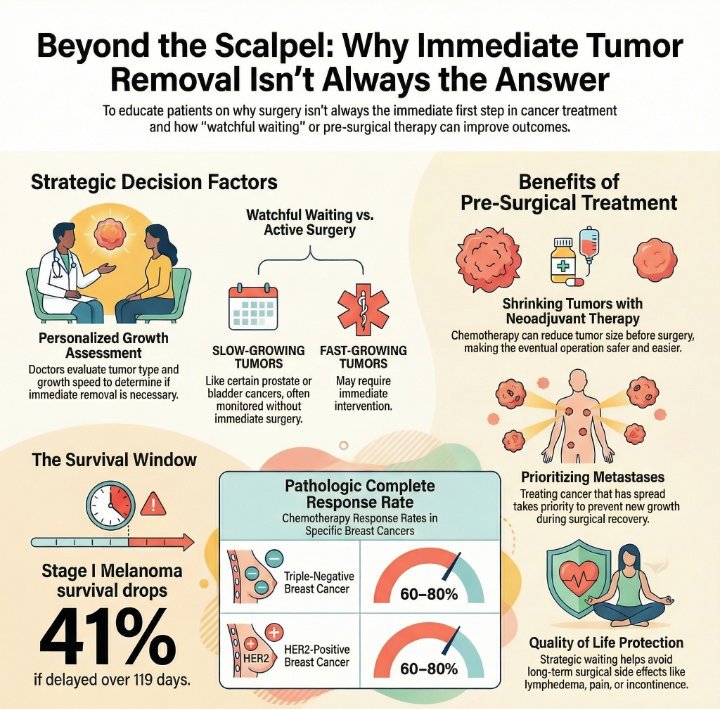
You might wonder, Do You Always Need to Remove a Tumor Right Away? Many people believe that surgery is the first step. In reality, doctors look at many things before making a decision. They check the type of tumor, how fast it grows, and risks from surgery. Sometimes, waiting or using other treatments helps you more and keeps you safer.
Key Takeaways
Not all tumors require immediate removal. Some slow-growing tumors can be monitored safely through watchful waiting.
Doctors consider various factors, including tumor type and patient health, before deciding on surgery. Personalized care leads to better outcomes.
Chemotherapy can shrink tumors, sometimes making surgery unnecessary. This approach can improve safety and effectiveness.
Immediate surgery may interrupt important treatments like chemotherapy. Timing is crucial for effective cancer management.
Always communicate with your doctor about treatment options. Asking questions helps you understand your choices and participate in your care.
Do You Always Need to Remove a Tumor Right Away?
When Immediate Removal Is Not Needed
You may think that surgery is always the first step when you hear the word "tumor." The truth is, not all tumors need to come out right away. Some tumors grow very slowly or do not cause problems for a long time. Doctors often choose to watch these tumors closely instead of removing them immediately. This approach is called "watchful waiting" or "active surveillance."
For example, doctors often manage certain bladder tumors without immediate surgery. You can see how experts handle these cases in the table below:
Study Title | Journal | Year | Findings |
|---|---|---|---|
Management of low grade papillary bladder tumors | J Urol | 2007 | |
Expectant management of small, recurrent, noninvasive papillary bladder tumors | J Urol | 2003 | Highlights non-surgical interventions. |
Efficacy of office fulguration for recurrent low grade papillary bladder tumors less than 0.5 cm | J Urol | 2004 | Examines non-surgical treatment efficacy. |
Watchful waiting policy in recurrent ta g1 bladder tumors | Eur Urol | 2006 | Reviews watchful waiting as a management strategy. |
You may also hear about "watch-and-wait" strategies for some rectal cancers. If your tumor responds well to chemotherapy or radiation, your doctor might suggest waiting instead of surgery. This can help you avoid side effects and keep your quality of life high.
Doctors use guidelines to decide when to remove tumors. For example:
For head and neck squamous cell carcinoma, doctors recommend starting radiation therapy within six weeks after surgery.
For early-stage non-small-cell lung cancer, surgery usually happens within three to six weeks after other treatments.
These guidelines show that timing depends on the type of cancer and the treatments you receive.
Factors Doctors Consider
When you ask, Do You Always Need to Remove a Tumor Right Away?, your doctor looks at many things before making a plan. The type of tumor, how fast it grows, and how aggressive it is all matter. Some breast cancers, like triple negative or HER2-positive types, grow quickly. In these cases, waiting too long can make the cancer harder to treat. Your doctor will try to schedule surgery as soon as possible for these fast-growing tumors.
Doctors also think about your age, health, and what matters most to you. For example, the Prostate Cancer Intervention Versus Observation Trial found that many men with localized prostate cancer lived just as long with observation as with surgery. If you have a slow-growing tumor and a long life ahead, your doctor may suggest waiting. If your tumor is more aggressive, surgery might help you more.
You may wonder if waiting is risky. Doctors like Dr. Garcia-Aguilar say that watch-and-wait strategies can work well for some patients. They look at your tumor, your health, and your wishes. Sometimes, monitoring your tumor gives you the same results as surgery, but with fewer side effects.
Tip: Always talk with your doctor about your options. Ask questions like, "Do You Always Need to Remove a Tumor Right Away?" and "What are the risks and benefits for me?"
Study Evidence and Survival Outcomes
No Survival Benefit for Immediate Surgery
You may wonder if removing a tumor right away always helps you live longer. The answer is not always clear. Studies show that the timing of surgery can affect survival, but the impact depends on the type of cancer and how long you wait. For example, in melanoma, waiting too long can lower your chances of survival. Patients treated within 30 days have better outcomes. If you wait 30 to 59 days, your survival drops by 5%. Waiting 60 to 89 days lowers survival by 16%. Delays of 90 to 119 days can mean a 29% worse outcome, and waiting more than 119 days can lead to a 41% drop in survival. For stage I melanoma, even a short delay can increase your risk.
You can see how different studies compare the effects of waiting for surgery:
Study Type | Findings | Delay Impact |
|---|---|---|
Population/Registry Based | 28 studies | Delays from 3-16 weeks linked to higher death rates |
Institutional Reports | 6 studies | Delays affect survival |
High Validity Studies | 2 studies | Each 4-week delay raises risk (e.g., cervical cancer HR 1.04) |
Breast Cancer | Consistent link between delay and higher mortality | 12-week delay: 41% higher risk of death |
Not all cancers react the same way. For some breast cancers, a delay of more than 90 days only affects certain types, like triple-negative breast cancer. Other types may not show a big difference in survival.
Quality of Life Considerations
You should also think about how aggressive surgery can affect your daily life. Removing a tumor right away can cause side effects that last for months or even years. These side effects depend on the type of cancer and the surgery you have. Here are some examples:
Cancer Type | Side Effects |
|---|---|
Breast cancer | Axillary web syndrome, pain, chronic pain, lymphedema |
Gynecologic cancer | Severe pain after surgery |
Prostate cancer | Erectile dysfunction, urinary incontinence |
Head and neck cancer | Trouble swallowing, speaking, jaw stiffness, shoulder problems |
Colon cancer | Bowel problems |
Brain tumors | Memory loss, trouble thinking, new or worse nerve problems |
Aggressive treatment does not always help you live longer. Sometimes, it only adds more side effects. Patients who choose alternative treatments instead of surgery for nonmetastatic breast or colorectal cancer have much worse survival rates. For lung cancer, using only alternative therapies more than doubles the risk of death.
When you ask, Do You Always Need to Remove a Tumor Right Away?, remember that your doctor wants to balance survival with your quality of life. Surgery is not always the best first step. You and your doctor should talk about what matters most to you.
Treating Metastases First
Why Metastases Take Priority
When you have cancer that has spread, doctors often focus on treating the metastases before removing the main tumor. Metastases are cancer cells that have moved to other parts of your body. These new tumors can grow quickly and cause more problems than the original tumor.
Here are some reasons why doctors treat metastases first:
Removing the main tumor does not always help you live longer or feel better if the cancer has already spread.
Treating metastases helps stop them from growing or spreading even more.
Surgery for the main tumor can force you to pause chemotherapy, which leaves the metastases untreated.
Chemotherapy can shrink the main tumor, making it easier to remove later if needed.
Recent studies, like the ECOG-ACRIN 2108 trial, show no survival or quality of life benefit from removing the main tumor in patients who respond to systemic therapy.
Doctors now know that removing the main tumor in stage IV cancer does not improve outcomes if you are already responding to other treatments.
Note: Your doctor will talk with you about these facts and help you understand why treating metastases first is often the best plan.
Impact on Overall Treatment
Focusing on metastases first can help you live longer and manage your cancer better. New treatments for metastatic cancer, especially in breast cancer, have improved survival rates. Doctors use advanced tests to find metastases earlier, which means you can start treatment sooner. Early and focused treatment of metastases can slow down the disease and give you more time with fewer symptoms.
By treating metastases first, you avoid delays in important therapies like chemotherapy. This approach helps control the cancer throughout your body, not just at the original site. You and your doctor can then decide if surgery for the main tumor is needed later, when it is safer and more effective.
Risks of Immediate Surgery
Interrupting Chemotherapy
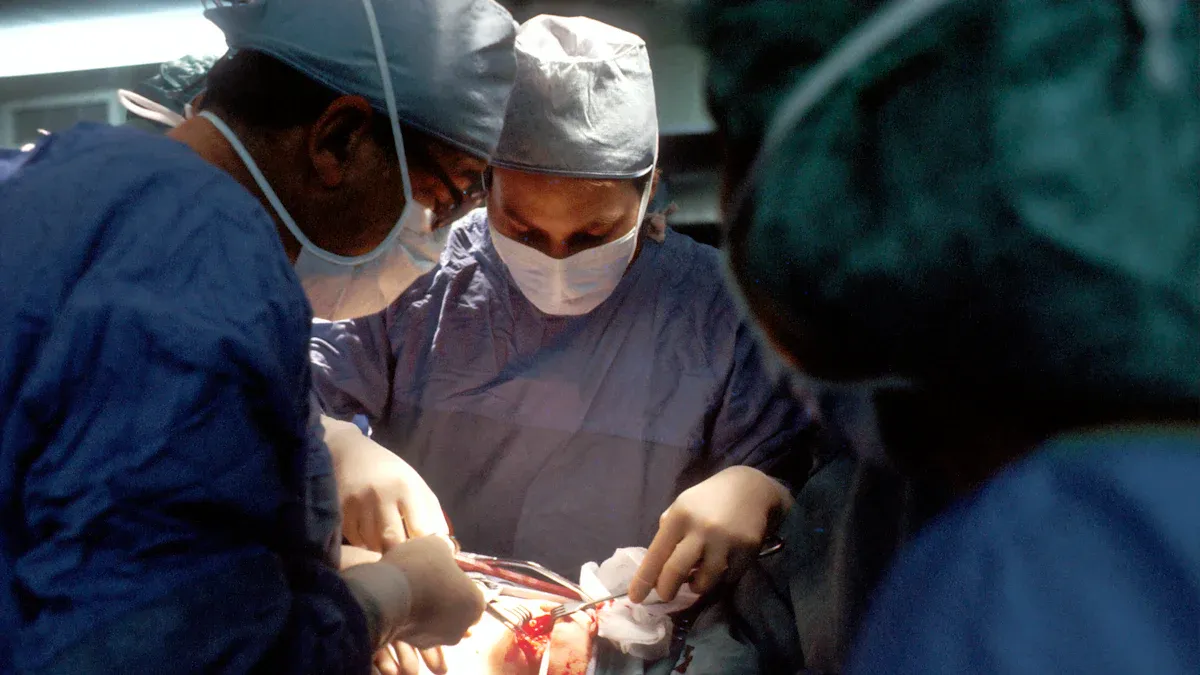
You may think that surgery always comes first, but it can sometimes interrupt important treatments like chemotherapy. Chemotherapy helps shrink tumors and control cancer throughout your body. If you have surgery before finishing chemotherapy, you might need to pause or delay your medicine. This break can give cancer cells time to grow or spread.
"In the five-week delay, I had gone from three small tumors to a massive, 7- by 3-[centimeter] tumor that was pushing against the skin," Silver says, fighting emotion.
"The No. 1 thing that I'm concerned about is the backlog of cases," Parikh says.
These real stories show how even short delays can change your treatment plan. When doctors wait for you to heal from surgery, you may lose valuable time for chemotherapy. This can make your cancer harder to treat. Your doctor wants to make sure you get the right treatment at the right time.
Surgical Complications
You might worry that surgery could cause cancer to spread. Many people believe that exposing cancer to air during surgery makes it grow faster. This is a common myth. Doctors have found that surgery does not cause cancer to spread. Sometimes, they find more cancer than expected because imaging tests cannot see every tiny spot.
Surgery can also affect your body in other ways. Removing large amounts of tissue can change how your body works and feels. Here are some things you should know:
Wide resection, where doctors remove the tumor and some healthy tissue, lowers the risk of cancer coming back in the same spot.
Taking out too much tissue can make it harder for you to move or use that part of your body.
Chemotherapy after surgery helps kill any leftover cancer cells and supports your recovery.
Rehabilitation exercises help you heal and regain strength, but results can vary for each person.
Your doctor will talk with you about these risks. The goal is to remove the cancer while keeping you as healthy and active as possible. Always ask questions if you have concerns about surgery or your treatment plan.
Chemotherapy and Tumor Shrinking

When Surgery Becomes Unnecessary
You may think surgery is always needed to treat cancer. Sometimes, chemotherapy works so well that you do not need surgery at all. Chemotherapy can shrink certain tumors until they disappear. Doctors call this a "complete response." You see this most often in some types of breast cancer. Triple-negative and HER2-positive breast cancers respond strongly to chemotherapy. Many patients reach a complete response and avoid surgery.
Cancer Type | Pathologic Complete Response Rate (%) |
|---|---|
Triple-Negative Breast Cancer | 60-80% |
HER2-Positive Breast Cancer | 60-80% |
Doctors use neoadjuvant chemotherapy to shrink tumors before surgery. This treatment helps in many ways:
Neoadjuvant chemotherapy shrinks locally advanced tumors, making surgery easier.
Studies show high response rates in advanced colorectal cancer.
Neoadjuvant treatment is standard for esophageal, gastric, and rectal cancers.
It increases the chance for complete removal with clear margins.
Improved local control and better management of disease lead to higher survival rates.
You may avoid surgery if your tumor shrinks enough. Your doctor will check your response and decide the next steps.
Making Surgery Safer
Chemotherapy before surgery can make your operation safer and more effective. When you shrink the tumor first, doctors can remove it more easily. This lowers the risk of complications and helps you heal faster. Preoperative chemotherapy also targets hidden cancer cells that scans cannot see. This is important for aggressive tumors. Controlling these cells improves your chances for a successful surgery.
Doctors use this approach to reduce the tumor burden. After surgery, chemotherapy works better because fewer cancer cells remain. You get a stronger effect from your treatment.
Tip: Ask your doctor if chemotherapy before surgery is right for you. This plan can help you avoid risks and improve your outcome.
You and your doctor will work together to choose the safest and most effective treatment. Shrinking the tumor first gives you more options and better results.
You do not always need to remove a tumor right away. Sometimes, waiting or using other treatments works better for your health and quality of life.
The timing of surgery can affect survival, especially for certain cancers. Doctors see better outcomes when they consider each case carefully.
Personalized care gives you the best chance for success:
Your doctor looks at your tumor’s unique features.
You get treatments that fit your needs and lower side effects.
Benefit | |
|---|---|
Multidisciplinary Tumor Boards | Experts work together to plan your care and improve results. |
Always ask questions and talk with your healthcare team. You play an important role in your treatment choices.
FAQ
What happens if you wait to remove a tumor?
You may not need surgery right away. Doctors often watch slow-growing tumors closely. This approach helps you avoid side effects. Your doctor will check your tumor often to keep you safe.
Can surgery make cancer spread faster?
No, surgery does not cause cancer to spread. Doctors use careful techniques to remove tumors. Sometimes, they find more cancer during surgery because scans cannot see every small spot.
Why do doctors sometimes recommend chemotherapy before surgery?
Doctors use chemotherapy to shrink tumors. This can make surgery safer and easier. You may also avoid surgery if the tumor disappears after treatment.
How do doctors decide the best time for surgery?
Doctors look at your tumor type, how fast it grows, and your health. They also consider your wishes. You and your doctor will make a plan together.
This article is for educational purposes only and is not a substitute for professional medical advice. For more details, please see our Disclaimer. To understand how we create and review our content, please see our Editorial Policy.
See Also
Essential Insights About Carcinoid Tumors You Must Understand
Key Features and Insights Into Craniopharyngioma Explained
Exploring Glucagonoma: Causes and Important Information

© 2026 Banish Cancer. Banish Cancer is a registered non-profit organization providing evidence-based research, educational courses, and Fear Response AI support services. Reg. No: 305706884 | Address: Taikos pr. 43-603, Kaunas, Lithuania.