Does Fluoride Cause Cancer? New Research Says No

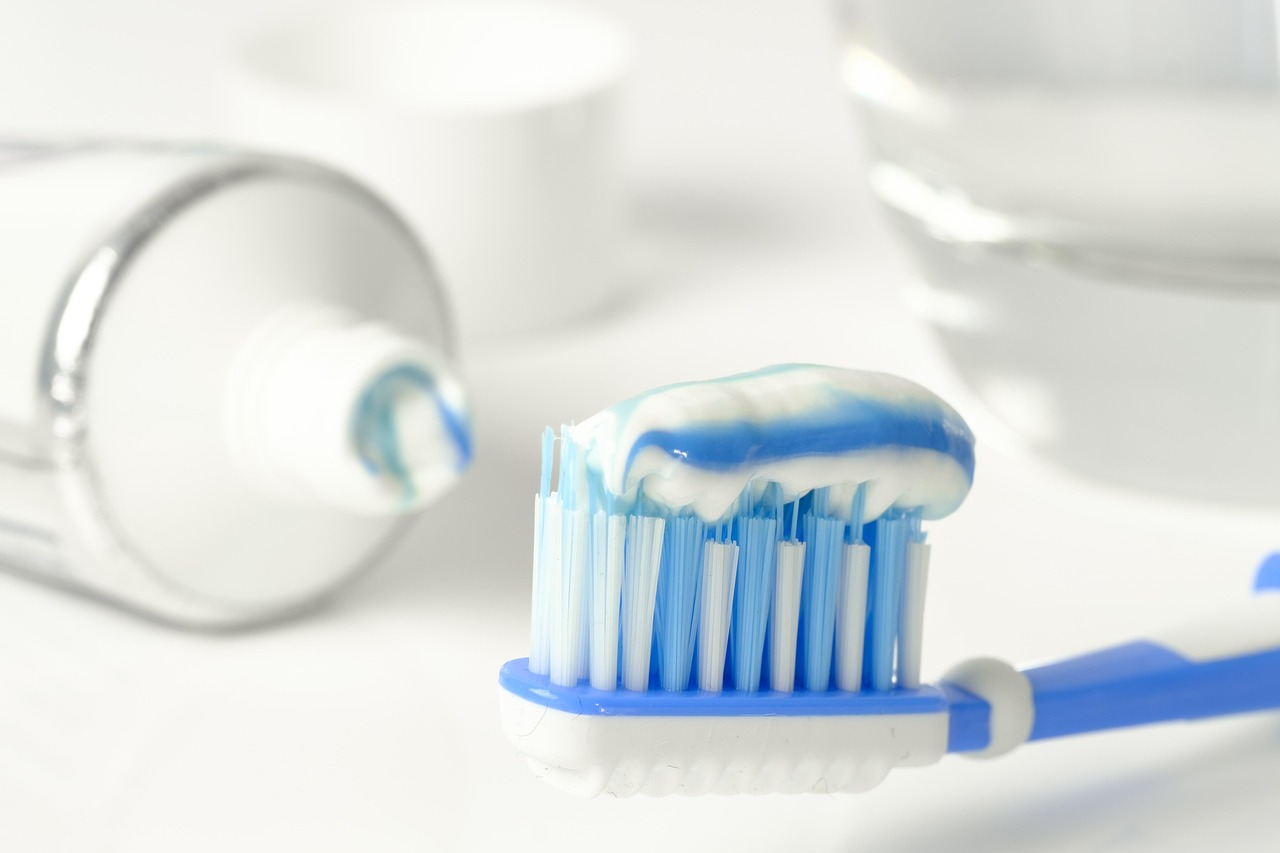
You may wonder if there is a connection between fluoride and cancer when using fluoride in your water or toothpaste. Recent research shows no link between fluoride and cancer. The National Research Council reported that studies in both animals and humans do not show a cancer-causing effect from fluoride. The American Cancer Society states that most studies on water fluoride levels and cancer found no significant connection. Even studies of high fluoride in drinking water found no rise in cancer deaths.
You can feel confident that concerns about fluoride and cancer are not supported by strong scientific evidence.
Key Takeaways
Recent research shows no link between fluoride and cancer. Trusted organizations confirm that fluoride in water is safe.
Major health groups, like the CDC and WHO, support community water fluoridation for preventing tooth decay without increasing cancer risk.
Studies indicate that cancer rates do not change when cities add or remove fluoride from their water supply.
Fluoride helps reduce dental cavities by about 25% for everyone, making it a valuable public health tool.
Ongoing research continues to monitor fluoride safety, ensuring that health guidelines remain up to date.
Fluoride and Cancer: Research Findings

Major Reviews and Studies
You may want to know what experts say about fluoride and cancer. Many organizations have reviewed the science over the years. These reviews look at large groups of people and many studies. They help you see the big picture.
Here is a table that shows what some major organizations have found:
Organization | Year | Key Finding |
|---|---|---|
US Public Health Service | 1991 | No association between fluoride and cancer established. Optimal fluoridation does not pose a detectable cancer risk. |
National Research Council | 1993 | Insufficient data to demonstrate carcinogenic effect; no support for increased cancer risk from fluoride exposure. |
NHS Centre for Reviews and Dissemination | 2000 | No clear association between water fluoridation and cancer incidence or mortality found. |
National Research Council | 2006 | Evidence on fluoride's potential to initiate or promote cancers is tentative and mixed. |
SCHER | 2010 | Evidence linking fluoride to osteosarcoma is equivocal; cannot classify fluoride's carcinogenicity. |
California’s Carcinogen Identification Committee | 2011 | Fluoride and its salts have not been clearly shown to cause cancer. |
You can see that these reviews do not find a strong link between fluoride and cancer. Most experts agree that fluoride in water at recommended levels does not increase cancer risk. The Centers for Disease Control and Prevention (CDC) and the Agency for Toxic Substances and Disease Registry (ATSDR) both support the safety of water fluoridation. They state that using fluoride in public water systems helps prevent tooth decay and does not cause cancer.
Note: Some studies mention possible effects on children’s health, like thyroid function or neurological outcomes. However, these effects do not show a clear connection to cancer. No evidence shows harm from community water fluoridation at levels between 0.7 and 1.0 mg/L.
Population Health Data
You might wonder if cancer rates change when cities add or remove fluoride from water. Researchers have studied this question for many years. They look at cancer rates before and after fluoridation in different places.
Research shows no significant link between water fluoridation and cancer rates. This includes specific types like bone cancer and osteosarcoma. When cities start or stop adding fluoride, cancer rates do not change in a clear way. This suggests that fluoridation does not affect cancer risk.
Many people in the United States drink fluoridated water. In 2020, about 62.9% of the U.S. population received optimally fluoridated water. By 2022, more than 72% of people served by public water systems had access to fluoridated water. Despite this, cancer rates have not increased in these groups.
Year | Percentage of U.S. Population Receiving Optimally Fluoridated Water |
|---|---|
2020 | 62.9% overall, 72.7% served by CWSs |
2022 | More than 72% served by public water systems, 62% overall |
Large studies compare cancer rates in countries with and without water fluoridation. The US National Cancer Institute found no increase in cancer cases or deaths linked to fluoridation. A review of 26 studies showed mixed results, but most did not find a link. Only two studies showed a difference, and they did not agree on the direction. Overall, experts see no significant association between fluoride and cancer.
Ongoing Research and Limitations
Scientists continue to study fluoride and cancer. They want to make sure their findings are accurate and up to date. You should know that research on this topic faces some challenges.
Many factors can affect cancer rates in a population. These are called confounding factors. They make it hard to find a clear answer.
Studies have not found a strong link between fluoride exposure and cancer risk. If there were a big effect, scientists would likely have seen it by now.
The World Health Organization reviewed the evidence. They did not find higher cancer rates in areas with high fluoride compared to low fluoride.
The National Research Council looked at lab data and studies in people. They did not find support for a cancer-causing effect from fluoride.
Scientists keep looking for new information. They review new studies and update their advice as needed. So far, the evidence does not show that fluoride in water or dental products causes cancer.
You can trust that experts watch for new risks. They use the best science to keep you safe. The topic of fluoride and cancer will stay under review, but current research supports its safety.
Addressing Common Concerns
Origins of Cancer Claims
You may wonder why some people believe fluoride causes cancer. These claims started with early studies and public debates. In the 2000s, a Harvard study suggested a possible link between high fluoride in water and bone cancer in boys. Later research could not repeat these results, so scientists advised caution. The National Research Council also found mixed and uncertain evidence about fluoride and cancer.
Many concerns grew because fluoride was once seen as an industrial waste product. This history made some people suspicious when it became a public health tool. Activists and some professionals raised questions, which led to debates and even laws against fluoridation in some places. Conspiracy theories also played a role. Some people claimed that adding fluoride to water was part of a secret plan by industries or governments. Movies like "Dr. Strangelove" showed these ideas and made them more popular.
Why Evidence Does Not Support These Claims
You might see claims about fluoride and cancer, but science does not support them. Most studies do not find a link. Large reviews show that fluoride does not cause cancer in people. Many proposed harms do not make sense based on how fluoride works in the body. Research shows that cancer rates are the same in places with and without fluoridated water. The only known effect from community water fluoridation is dental fluorosis, which is not cancer.
The Working Party concluded: “there is no substantiated evidence from studies of human populations that fluoride or fluoridation causes cancer, or increases mortality from cancer, whether for cancer as a whole or for cancer at individual sites.”
Scientists also warn that comparing cancer rates in different areas can be tricky. Many factors affect cancer risk, not just fluoride.
Internet Myths and Misinformation
You may see myths about fluoride and cancer online. These myths spread quickly on social media. People often share stories that match their beliefs, which creates echo chambers. Some common myths include:
Fluoride causes cancer or autism.
Fluoride is dangerous at any level.
Health groups do not support fluoridation.
In fact, the CDC, ADA, and WHO all say that fluoride is safe for dental care. The National Cancer Institute also finds no link between fluoride and cancer. Public health campaigns review the science and confirm that fluoride at community levels is safe. Most myths come from studies with much higher fluoride levels than those used in public water.
Health Authorities on Fluoride Safety
Positions of Leading Organizations
You may wonder what top health organizations say about fluoride. The Centers for Disease Control and Prevention (CDC) states that community water fluoridation is safe and effective. The CDC points to a large body of evidence showing that fluoridation does not cause health problems, including cancer. The Agency for Toxic Substances and Disease Registry (ATSDR) and the World Health Organization (WHO) also support the use of fluoride to prevent tooth decay.
Fluoride helps reduce dental cavities.
Too much fluoride can cause dental or skeletal fluorosis.
WHO recommends public health actions to ensure people get enough fluoride but not too much.
WHO gives guidance to help communities balance the benefits and risks of fluoride.
These organizations agree that fluoride in water at recommended levels is safe for you and your family.
How Guidelines Are Set
Health authorities use strict scientific criteria to set safe levels for fluoride in drinking water. They look at research on health effects and consider what is best for the whole population. Here is a table that shows how they set these standards:
Standard Type | Description |
|---|---|
Maximum Contaminant Level Goal (MCLG) | A health goal set at a concentration where no adverse health effects are expected. |
Maximum Contaminant Level (MCL) | An enforceable standard set as close to the MCLG as possible, considering treatment technology and costs. |
Secondary Maximum Contaminant Level (SMCL) | A guideline for managing drinking water for aesthetic, cosmetic, or technical effects. |
International guidelines may differ. For example, WHO recommends fluoride levels between 0.5 and 1.5 mg/L, depending on local needs.
Monitoring and Ongoing Evaluation
You can trust that experts keep checking fluoride safety. State oral health and water programs report fluoride levels. The CDC uses the Water Fluoridation Reporting System (WFRS) to track these numbers. The CDC recommends keeping fluoride at 0.7 mg/L to prevent cavities. Sometimes, not all systems report their data, but most do.
The EPA reviews new research on fluoride and health risks to stay up to date.
The National Toxicology Program found that fluoride above 1.5 mg/L may lower IQ in children, so experts keep studying this topic.
Regulatory agencies like the FDA also watch over dental products. The FDA warns against giving fluoride supplements to young children unless needed. You can feel confident that health authorities update their advice as new science becomes available.
You can feel confident that science does not support a link between fluoride and cancer. Over 50 studies and reviews from trusted organizations show no strong connection. Leading health groups, like the CDC and ADA, agree that fluoride in water and toothpaste is safe and helps prevent cavities.
Drinking fluoridated water reduces tooth decay by about 25% for everyone.
Community water fluoridation saves money and helps families, especially those with lower incomes.
Trust in credible sources and ongoing research keeps you safe. Fluoride remains a proven tool for better dental health.
FAQ
Does fluoride in water cause cancer?
You do not need to worry. Research shows that fluoride in water does not cause cancer. Health experts have studied this for many years and found no link.
Is fluoride safe for children?
You can feel safe giving your child water with fluoride. It helps prevent cavities. Experts recommend the right amount for strong teeth. Too much can cause mild spots, but not cancer.
Why do some people think fluoride is dangerous?
Some people worry because of old studies, rumors, or internet stories. Most of these claims do not have strong science behind them. Trusted health groups say fluoride is safe.
How can you know if your water has fluoride?
You can check with your local water provider. Many city websites list fluoride levels. You can also ask your dentist or doctor for advice.
#BanishCancer
See Also
Recognizing Symptoms And Causes Of Esophageal Cancer
Exploring Cancer Types Associated With AIDS Infection
Identifying Symptoms And Causes Of Laryngeal Cancer
Understanding The Symptoms And Causes Of Head And Neck Cancer

© 2026 Banish Cancer. Banish Cancer is a registered non-profit organization providing evidence-based research, educational courses, and Fear Response AI support services. Reg. No: 305706884 | Address: Taikos pr. 43-603, Kaunas, Lithuania.