Photodynamic Therapy - Shedding Light on Cancer and Saving Lives

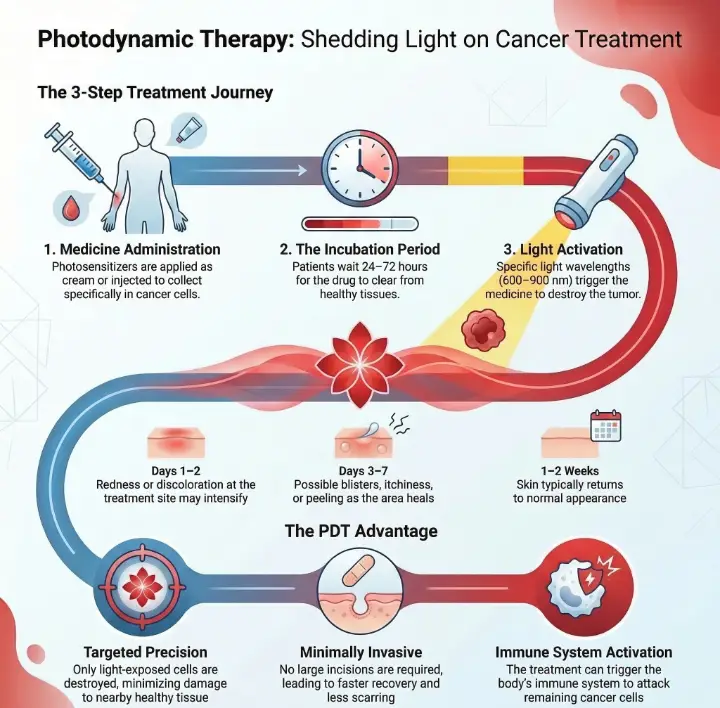
Photodynamic Therapy - Shedding Light on Cancer gives you a non-invasive way to fight cancer. In this treatment, you receive a special medicine called a photosensitizer. Doctors then shine a specific light on the cancer area. This light activates the medicine and destroys cancer cells while sparing healthy tissue. You can expect fewer side effects and better cosmetic results compared to surgery. Many countries use this therapy because of its safety and precision.
Key Takeaways
Photodynamic Therapy (PDT) uses a special medicine and light to target cancer cells while protecting healthy tissue.
PDT offers fewer side effects compared to traditional treatments, leading to a better quality of life for patients.
This therapy is minimally invasive, allowing for quicker recovery and the possibility of repeated treatments if necessary.
PDT can help your immune system learn to fight cancer, providing an additional benefit beyond just destroying cancer cells.
Many types of cancer can be treated with PDT, especially those close to the surface, making it a versatile option for patients.
What Is Photodynamic Therapy?
Definition and Purpose
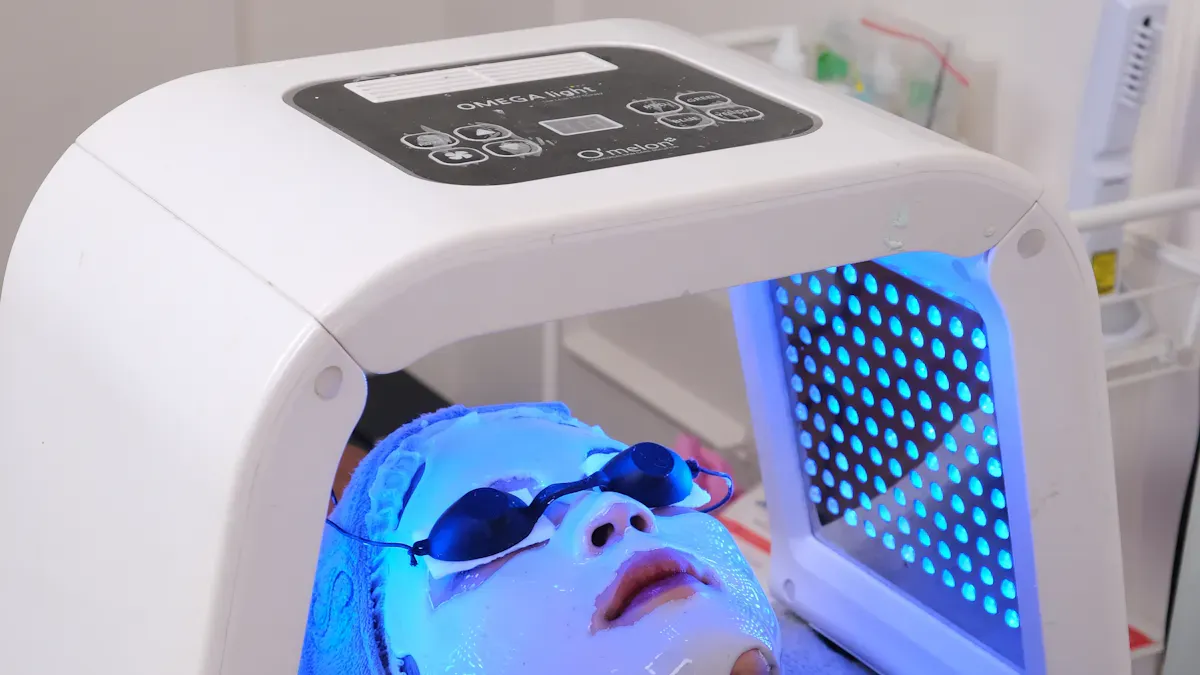
You may wonder how Photodynamic Therapy - Shedding Light on Cancer works in your body. This treatment uses a special medicine called a photosensitizer. Doctors give you this medicine, and it collects in cancer cells. When your doctor shines a certain type of light on the area, the medicine reacts. This reaction creates powerful oxygen molecules that destroy the cancer cells. Scientists call these molecules "reactive oxygen species."
Photodynamic therapy aims to target cancer cells while keeping healthy cells safe. The medicine gathers mostly in the tumor, so the light only activates where it is needed. This means you get a treatment that focuses on the problem area. You do not have to worry about the medicine harming the rest of your body.
Note: Photodynamic therapy can also help your immune system fight cancer. When the cancer cells die, your body may learn to attack any cancer that comes back. This extra benefit makes the treatment even more helpful.
How PDT Differs from Other Treatments
You might ask how this therapy stands out from other cancer treatments. Here are some key differences:
Photodynamic therapy uses light and a special medicine to kill cancer cells.
The medicine, called a photosensitizer, collects in tumors and not in healthy tissue.
Doctors shine light only on the cancer, so healthy cells stay safe.
Chemotherapy and radiation affect your whole body or large areas, which can cause more side effects.
Photodynamic therapy usually causes fewer problems, such as less nausea and tiredness.
You may notice some short-term side effects like redness, swelling, or mild pain where you get the treatment. These usually go away quickly. Traditional treatments can cause more serious problems, such as feeling sick, losing hair, or getting infections.
Photodynamic Therapy - Shedding Light on Cancer gives you a focused, gentle way to treat cancer. You get a treatment that works where you need it most and helps protect the rest of your body.
Photodynamic Therapy - Shedding Light on Cancer Cells
Photosensitizer Administration
When you start Photodynamic Therapy - Shedding Light on Cancer, your doctor gives you a special medicine called a photosensitizer. This medicine can come as a cream, a pill, or an injection. The type of photosensitizer depends on your cancer and where it is in your body. Some of the most common photosensitizers include:
Phthalocyanines
Chlorin
Bacteriochlorin
Riboflavin
Hypocrellin
Curcumin
Photofrin
Porfimer sodium
Temoporfin
Aminolevulinic acid (ALA)
Methyl ester of ALA
Motexafin lutetium
Palladium bacteriopheophorbide
Purlytin
Verteporfin
Talaporfin
Doctors choose the best photosensitizer for your treatment. These medicines gather in cancer cells more than in healthy cells. This helps target the tumor and protect the rest of your body.
You may wonder how long you need to wait after getting the medicine. The answer depends on the type of photosensitizer. Here is a table that shows some examples:
Photosensitizer | Drug-Light Interval | Total Light Dose (J/cm²) | Indication |
|---|---|---|---|
MAL Metvix® | 3 h | 37–75 | Actinic keratosis, Bowen’s disease, superficial basal cell carcinoma |
5-ALA Ameluz® | 3 h | 37–200 | Mild and moderate actinic keratosis, superficial basal cell carcinoma |
5-ALA AlaCare® | 4 h | 37 | Mild actinic keratosis |
5-ALA Levulan® | 14–18 h | 10 | Actinic keratosis with blue light |
Your doctor will tell you when the medicine has collected enough in your cancer cells. Then, you are ready for the next step.
Light Activation Process
After the photosensitizer has built up in your cancer cells, your doctor shines a special light on the area. This light can come from a lamp, a laser, or even a thin, flexible fiber-optic tube. If your tumor is inside your body, doctors use these tiny tubes to reach the tumor and shine light directly on it.
The light used in Photodynamic Therapy - Shedding Light on Cancer has a specific wavelength. This means the light is just the right color and energy to activate the medicine. Most photosensitizers work best with red light, which can reach deeper into your tissues. Here is a table showing the common light wavelengths:
Light Source | Wavelength Range |
|---|---|
Lamp/Laser | 600 nm - 800 nm |
Other Devices | 650 nm - 900 nm |
Doctors use the right light for your treatment. The light only activates the medicine in the area where it shines. This keeps healthy tissue safe.
Tip: If your tumor is hard to reach, doctors can use special tools like fiber-optic tubes to deliver light inside your body. This makes Photodynamic Therapy - Shedding Light on Cancer a good choice for many types of cancer.
How Cancer Cells Are Destroyed
When the light hits the photosensitizer in your cancer cells, a powerful reaction starts. The medicine reacts with oxygen in your body and creates special molecules called reactive oxygen species (ROS). These molecules damage the cancer cells in several ways:
They break down the cell’s DNA, proteins, and fats.
They cause stress inside the cell, leading to cell death.
They can trigger your immune system to attack the cancer.
Photodynamic Therapy - Shedding Light on Cancer can kill cancer cells in two main ways:
Apoptosis: This is a controlled process where the cell breaks apart safely. The cell shrinks, and small pieces form, which your body can clean up.
Necrosis: This is a faster process where the cell bursts and dies quickly. Sometimes, this can cause swelling or redness in the area.
The way your cells die depends on the dose of medicine and the amount of light used. Low doses often cause apoptosis, while higher doses can lead to necrosis.
Photodynamic Therapy - Shedding Light on Cancer targets only the cells that have taken up the photosensitizer and are exposed to the light. This means healthy cells nearby stay safe. The treatment works because:
Mechanism/Benefit | Description |
|---|---|
The medicine gathers mostly in tumor tissue, not in healthy cells. | |
Minimal Damage | The reaction happens only in the cancer cells, so healthy tissue is spared. |
Specific Activation | Only the area exposed to light is treated, so the rest of your body is safe. |
Note: This selectivity is what makes Photodynamic Therapy - Shedding Light on Cancer so special. You get strong cancer treatment with less harm to your healthy tissues.
By following these steps, Photodynamic Therapy - Shedding Light on Cancer gives you a focused and gentle way to fight cancer. You get a treatment that works where you need it most and helps protect the rest of your body.
Cancers Treated with PDT
Common Cancer Types
You may wonder which cancers doctors treat most often with photodynamic therapy. This treatment works best for cancers close to the surface or in areas where light can reach. The FDA has approved photodynamic therapy for several cancer types. These include:
Actinic keratosis
Advanced cutaneous T-cell lymphoma
Barrett esophagus
Basal cell skin cancer
Esophageal (throat) cancer
Non-small cell lung cancer
Squamous cell skin cancer (Stage 0)
Doctors often use a medicine called Photofrin® for esophageal cancer and non-small cell lung cancer. The FDA first approved this medicine in 1995 for esophageal cancer and later for lung cancer.
You can see other common cancers treated with this therapy in the table below:
Cancer Type |
|---|
Lung cancer |
Head and neck cancer |
Non-melanoma skin cancer |
Prostate cancer |
Breast cancer |
Bladder carcinoma |
Pancreatic cancer |
Bile duct cancer |
Vaginal cancer |
Doctors choose photodynamic therapy because it targets tumors and helps protect healthy tissue. You may find this treatment helpful if you have early-stage or surface cancers.
Tip: Photodynamic Therapy - Shedding Light on Cancer gives you a focused way to treat cancer with fewer side effects than many other treatments.
New and Emerging Applications
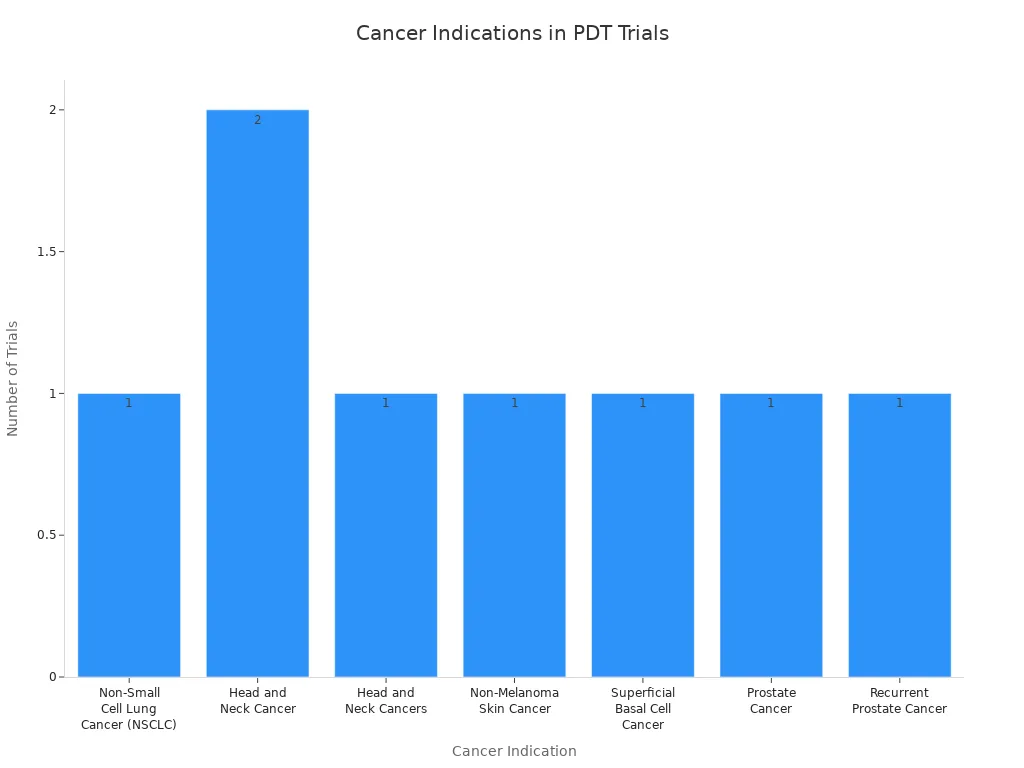
Researchers continue to study new ways to use photodynamic therapy. You may see this treatment in clinical trials for many cancer types. Some studies combine photodynamic therapy with other treatments, like immunotherapy, to improve results.
Here are some new and emerging uses being tested:
Cancer Indication | Trial Phase | Description |
|---|---|---|
Non-Small Cell Lung Cancer | Phase I | Amplifying response to immunotherapy |
Head and Neck Cancer | Phase 3 | Comparing photoimmunotherapy to standard care |
Non-Melanoma Skin Cancer | Phase 2 | Studying immune changes in basal cell carcinoma |
Superficial Basal Cell Carcinoma | Phase III | Testing new light and medicine combinations |
Prostate Cancer | Phase II | Using vascular targeted photodynamic therapy |
Recurrent Prostate Cancer | Phase I/II | Trying new photosensitizers and light systems |
You may benefit from these new advances in the future. Scientists hope to treat more cancer types and improve patient outcomes with photodynamic therapy.
Benefits and Risks of PDT
Advantages of Photodynamic Therapy
You can find many benefits when you choose photodynamic therapy (PDT) for cancer treatment. This therapy is gentle on your body. Doctors call PDT a minimally invasive treatment. You do not need large cuts or stitches. You often heal faster and feel less pain compared to surgery.
PDT works well for small, localized tumors. If you have a tumor that is close to the surface, this treatment can target it directly. You may notice that your quality of life improves, especially if you have tried other treatments without success.
You can repeat PDT many times if you need more treatment. This therapy does not weaken your immune system. You do not have to worry about losing future treatment options. If your cancer comes back, doctors can use PDT again or try other therapies.
Note: PDT does not cause long-term problems for most patients. You can return to your daily activities sooner.
Here is a table that shows how PDT compares to other treatments:
Feature | Photodynamic Therapy (PDT) | Surgery/Chemotherapy |
|---|---|---|
Invasiveness | Minimally invasive | Often invasive |
Recovery Time | Short | Longer |
Repeatable | Yes | Sometimes limited |
Immunosuppression | No | Possible with chemotherapy |
Low | Can be high |
Risks and Side Effects
You should know about possible risks and side effects before starting PDT. Most people tolerate this treatment well. The most common side effect is temporary sensitivity to light. You may need to avoid bright sunlight for a few days.
Some patients feel pain during treatment. Up to 58% of people report severe pain. You may also see redness, swelling, or peeling skin where you received the therapy. These reactions usually go away after a short time.
Here is a table of common side effects:
Side Effect | Description |
|---|---|
Pain | Most frequent side effect, with up to 58% of patients reporting severe pain during treatment. |
Local Skin Reactions (LSRs) | Includes redness, swelling, peeling, or small blisters, often during and after light exposure. |
Other Rare Reactions | Hives, contact dermatitis, or scalp problems may occur in rare cases. |
Tip: You can talk to your doctor about ways to manage side effects. Most side effects are mild and go away quickly.
Patient Experience
What to Expect During Treatment
You may feel nervous before your first photodynamic therapy session. Knowing what happens can help you feel more prepared. Here is a step-by-step look at a typical session:
Your doctor gives you a photosensitizer. You may take it as a pill, get it through an IV, or have it applied to your skin. The choice depends on where your tumor is.
You wait for the medicine to leave your healthy cells. This waiting period usually lasts from 24 to 72 hours. The drug stays longer in cancer cells.
Your doctor shines a special light on the tumor. If your cancer is on your skin, the light goes directly on the area. For tumors inside your body, doctors use a thin tube to bring the light to the right spot.
The whole procedure does not take long. Most sessions last between 15 and 120 minutes, depending on the clinic and your treatment area.
Source | Duration |
|---|---|
Cleveland Clinic | 15 to 90 minutes |
Roswell Park | 30 to 120 minutes |
Tip: You can bring a book or music to help you relax during your session.
Recovery and Aftercare
After your treatment, you may notice some changes in your skin or the treated area. Most people see redness or discoloration on the first day. This may get stronger on the second day. Between days three and seven, you might have blisters, itchiness, or peeling skin. Your skin usually starts to look normal again after one to two weeks. Full healing can take up to six weeks, depending on where you had treatment.
Day | Expected Symptoms |
|---|---|
Day 1 | Treatment area may become red or discolored. |
Day 2 | Reddening or discoloration may intensify. |
Day 3-7 | Possible blisters, itchiness, or peeling skin. |
1-2 weeks | Skin should begin returning to normal. |
2-6 weeks | Full healing time may vary by treatment area. |
Note: You should avoid bright sunlight for a few days after treatment. Wear protective clothing and follow your doctor’s advice for the best recovery.
You can return to most daily activities soon after your session. If you have questions or notice unusual symptoms, contact your healthcare team right away.
You have learned how photodynamic therapy targets cancer cells with light and a special medicine. This treatment offers high effectiveness for many cancers, with less pain and quick recovery. Studies show that adding PDT to surgery can raise survival rates and lower cancer recurrence. You benefit from fewer side effects, little scarring, and improved quality of life.
Key Benefit | What It Means for You |
|---|---|
Selective for cancer cells | Less harm to healthy tissue |
Minimally invasive | Faster healing, less discomfort |
Repeatable | Safe for multiple treatments |
Always talk with your doctor to find the best treatment for you. New advances in PDT give hope for even better results in the future.
FAQ
What should you avoid after photodynamic therapy?
You need to stay away from bright sunlight and strong indoor lights for at least 48 hours. Wear protective clothing and use sunscreen. Your skin stays sensitive, so follow your doctor’s advice for the best results.
Can you repeat photodynamic therapy if cancer returns?
Yes, you can have photodynamic therapy more than once. Doctors use it safely for repeated treatments. You do not lose future options, and your body handles it well.
Does photodynamic therapy hurt?
You may feel pain or discomfort during treatment. Some people report burning or stinging. Your doctor can help manage pain with medicine or cooling methods.
How long does recovery take after photodynamic therapy?
Most people heal within one to two weeks. You may see redness, swelling, or peeling skin. Full recovery depends on the treated area. Your doctor will guide you through aftercare.
This article is for educational purposes only and is not a substitute for professional medical advice. For more details, please see our Disclaimer. To understand how we create and review our content, please see our Editorial Policy.
See Also
Exploring Symptoms And Treatments Of Conjunctival Melanoma
Recognizing Symptoms And Treatment Options For Duodenal Cancer
Key Symptoms And Treatment Approaches For Choroid Plexus Carcinoma

© 2026 Banish Cancer. Banish Cancer is a registered non-profit organization providing evidence-based research, educational courses, and Fear Response AI support services. Reg. No: 305706884 | Address: Taikos pr. 43-603, Kaunas, Lithuania.