Why Chronic Inflammation Raises Your Cancer Risk

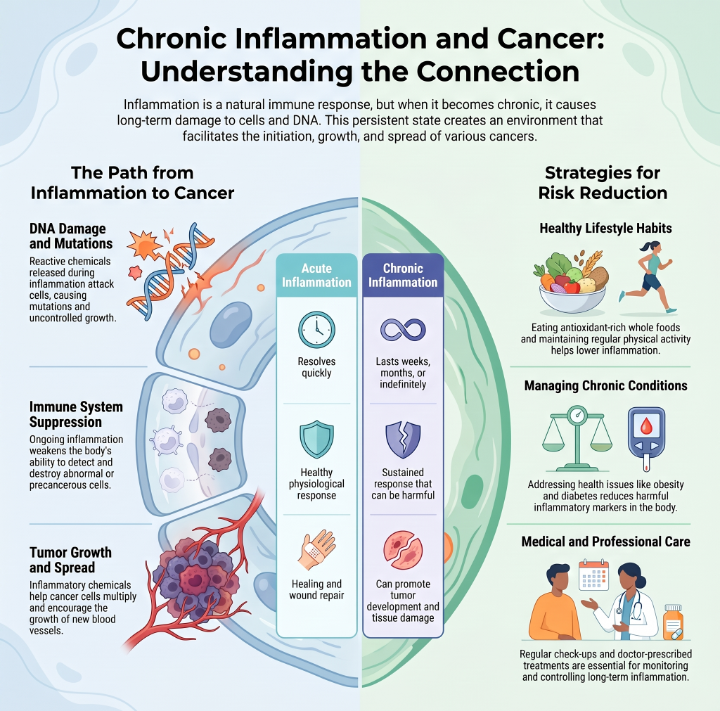
Chronic inflammation increases your cancer risk. It causes ongoing damage to your cells and DNA. Up to 20% of cancer-related deaths connect to inflammation. When you learn about The Link Between Chronic Inflammation and Cancer: What We Know, you gain power to make better choices. Look at the table below to see how knowledge helps you protect your health:
What You Can Do | How It Helps |
|---|---|
Manage stress | Lowers inflammation |
Eat healthy | Supports cell repair |
Stay active | Reduces cancer risk |
Reflect on your habits and consider simple changes for your long-term well-being.
Key Takeaways
Chronic inflammation can increase your cancer risk by damaging DNA and weakening your immune system.
Healthy lifestyle choices, like eating a balanced diet and staying active, can help reduce inflammation.
Managing chronic conditions, such as obesity and diabetes, is crucial for lowering your risk of cancer.
Regular check-ups can help catch health issues early, especially if you have conditions linked to chronic inflammation.
Small daily changes, like drinking more water and adding physical activity, can significantly lower inflammation.
What Is Inflammation?
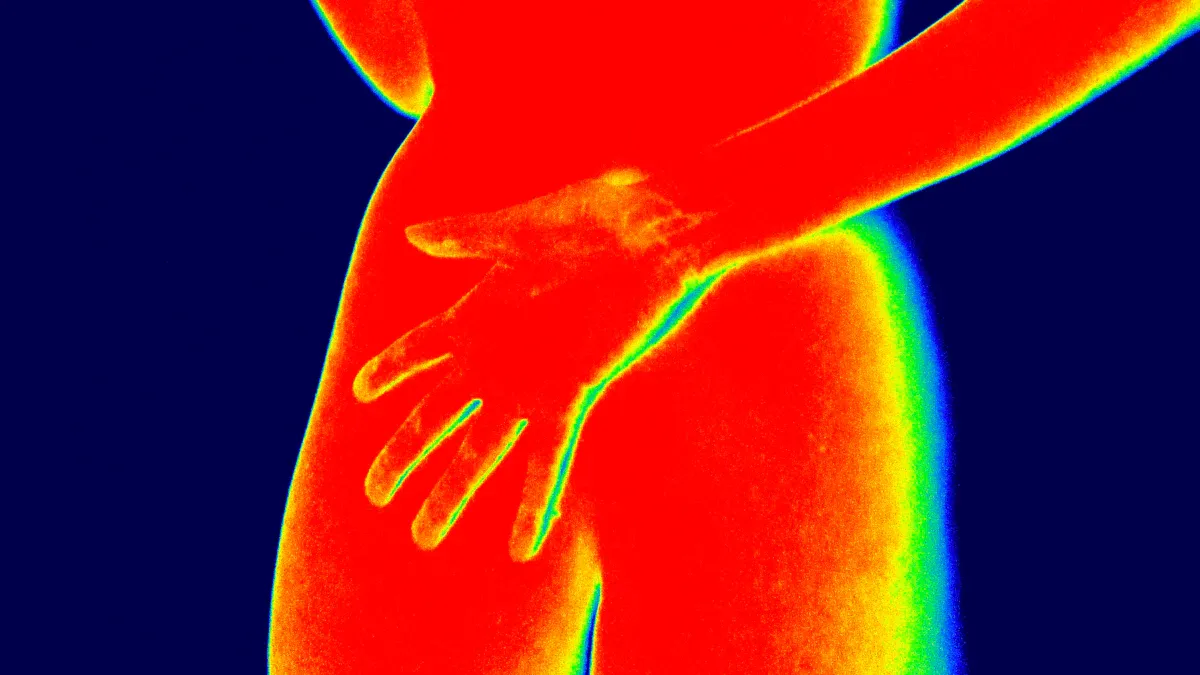
Inflammation is your body’s way of protecting itself. When you get hurt or sick, your immune system sends special cells to the area. These cells fight off germs and help you heal. Sometimes, though, inflammation does not turn off. This can cause problems for your health.
Acute vs. Chronic Inflammation
You can think of inflammation in two main types: acute and chronic. Acute inflammation happens fast. It helps you recover from injuries like a cut or a cold. Chronic inflammation lasts much longer. It can go on for weeks, months, or even years.
Here is a table to help you see the differences:
Feature | Acute Inflammation | Chronic Inflammation |
|---|---|---|
Duration | Resolves quickly | Lasts for weeks, months, or indefinitely |
Immune Response | Healthy physiological response | Sustained inflammatory response, often harmful |
Cell Types | Primarily neutrophils | Myeloid-derived suppressor cells (MDSCs) and others |
Effects | Pathogen clearance, wound healing | Can promote tumorigenesis and tissue damage |
Acute inflammation is a rapid response to injury or infection, leading to healing.
Chronic inflammation persists and can cause damage, as seen in conditions like rheumatoid arthritis.
Why Chronic Inflammation Is Harmful
Chronic inflammation can harm your body in many ways. It keeps your immune system active all the time. This constant activity can damage healthy cells and tissues. Over time, this damage can lead to DNA changes and increase your risk for diseases like cancer.
Many things can cause chronic inflammation. These include poor diet, physical inactivity, chronic stress, not getting enough sleep, smoking, and exposure to toxins. Even eating too many processed foods or having an unhealthy gut can keep your body inflamed.
When inflammation lasts, your body produces harmful molecules. These molecules can break DNA strands and change how your cells work. Your body tries to repair the damage, but sometimes it cannot keep up. This can lead to mutations and uncontrolled cell growth. The Link Between Chronic Inflammation and Cancer: What We Know shows that these changes make it easier for cancer to develop.
Tip: You can lower your risk by making healthy choices, like eating well, staying active, and managing stress.
The Link Between Chronic Inflammation and Cancer: What We Know
Chronic inflammation does more than make you feel unwell. It changes your body at the cellular level. The Link Between Chronic Inflammation and Cancer: What We Know helps you understand how these changes can lead to cancer. Scientists have found several ways that long-lasting inflammation can damage your cells and increase your cancer risk.
DNA Damage and Mutations
When your body faces chronic inflammation, your immune cells release chemicals called reactive oxygen species (ROS) and reactive nitrogen species (RNS). These chemicals attack germs, but they can also harm your own cells. Over time, this damage can break DNA strands or change the building blocks of your DNA. Your body tries to fix these problems, but sometimes the repair system cannot keep up. This leads to mistakes, or mutations, in your DNA.
Researchers have found that certain DNA changes, like the formation of 5-chlorocytosine, happen more often in tissues with chronic inflammation. These changes can increase the mutation rate of a cell by up to 30 times. In people with conditions like inflammatory bowel disease, scientists have seen high levels of these DNA lesions. These mutations can make cells grow out of control, which is a key step in cancer development.
Mechanism | Description |
|---|---|
Chronic Inflammation | Plays a critical role in cancer initiation and progression, especially in colon, breast, lung, and prostate cancers. |
Persistent Inflammatory Stimuli | Triggers a continuous immune response, disrupting tissue balance and leading to cancer. |
Pro-inflammatory Cytokines | IL-6, TNF-α, and NF-κB activation cause excessive ROS and RNS, leading to DNA damage. |
Note: In animal studies, inflammation in the gut caused long-lasting changes in cells. Even after the inflammation stopped, these cells kept a "memory" of the damage. When a cancer-causing mutation appeared later, these cells formed bigger and faster-growing tumors.
Immune System Suppression
Your immune system usually acts like a security guard, finding and destroying abnormal cells before they become dangerous. Chronic inflammation can weaken this defense. The Link Between Chronic Inflammation and Cancer: What We Know shows that ongoing inflammation can damage your immune system’s ability to spot and remove cells that might turn into cancer.
Long-term inflammation can create an environment where your immune system cannot work as well. This means abnormal or precancerous cells can survive and multiply. When your immune system becomes less effective, cancer cells have a better chance to grow. Persistent inflammatory signals also disrupt the normal balance in your tissues, making it easier for tumors to form.
Tip: If you have a condition that causes chronic inflammation, talk to your doctor about ways to support your immune health.
Tumor Growth and Spread
Chronic inflammation does not just start cancer; it can help it grow and spread. The Link Between Chronic Inflammation and Cancer: What We Know explains that inflammatory chemicals, called cytokines, play a big role. These cytokines can:
Increase DNA damage by boosting ROS production.
Help cancer cells survive and multiply by turning on genes that support cell growth.
Attract special cells, called myeloid-derived suppressor cells (MDSCs), which protect tumors from your immune system.
Change the tissue around tumors, making it easier for cancer cells to move to other parts of your body.
Inflammation also increases angiogenesis, which means your body grows new blood vessels to feed the tumor. Tumors need oxygen and nutrients to grow. New blood vessels help them get bigger and spread to other organs.
Chronic inflammation brings more MDSCs into the tumor area.
These cells block your immune system and help cancer cells survive.
Cytokines create a "pre-metastatic niche," a place where cancer cells can settle and grow in new organs.
Callout: Angiogenesis is a key step in cancer progression. When inflamed tissues make more blood vessels, tumors get the fuel they need to grow and spread.
The Link Between Chronic Inflammation and Cancer: What We Know highlights that these processes work together. They make it easier for cancer to start, grow, and move throughout your body. By understanding these steps, you can see why managing inflammation is so important for your long-term health.
Inflammation-Linked Cancers
Chronic inflammation does not affect all cancers equally. Some types of cancer have a much stronger connection to long-lasting inflammation. You can lower your risk by understanding which cancers are most affected and how inflammation plays a role.
Digestive System Cancers
Your digestive system faces many threats, including infections and unhealthy foods. Chronic inflammation in this area can lead to cancer. For example:
Colorectal cancer often develops in people with inflammatory bowel disease or an unhealthy balance of gut bacteria.
Stomach cancer can result from long-term gastritis, which is inflammation of the stomach lining.
Hepatitis B and hepatitis C are viral infections that may raise the risk of liver cancer. These viruses cause ongoing inflammation in the liver, which can damage cells and lead to cancer.
Tip: If you have a digestive disorder, regular check-ups can help you catch problems early.
Lung and Liver Cancers
Your lungs and liver are also at risk when inflammation lasts for a long time.
Lung cancer, especially non-small cell lung cancer, shows a strong link to inflammation from smoking and air pollution.
Chronic bronchitis and emphysema increase your risk of lung cancer.
A study in the American Journal of Respiratory and Critical Care Medicine found that people with chronic bronchitis, emphysema, and pneumonia had a much higher risk of lung cancer than those with chronic bronchitis alone.
Chronic hepatitis infection disrupts normal cell functions in the liver. This can cause DNA damage and trigger harmful substances that lead to liver cancer.
Other Examples
Many other cancers also connect to chronic inflammation. The Link Between Chronic Inflammation and Cancer: What We Know highlights these links. You can see some examples in the table below:
Type of Cancer | Associated Chronic Inflammatory Condition |
|---|---|
Inflammatory bowel disease-associated colorectal cancer | Inflammatory bowel disease |
Hepatitis-associated liver cancer | Hepatitis |
Gastritis-associated stomach cancer | Gastritis |
Skin cancers | Various inflammatory diseases of the skin |
Prostate cancer | Inflamed noncancerous prostate tissue |
You can protect yourself by managing chronic conditions and reducing inflammation in your body.
How to Reduce Inflammation

Healthy Lifestyle Choices
You can lower inflammation by making smart choices every day. Start with your diet. Eat more fruits, vegetables, nuts, seeds, and fatty fish like salmon. These foods contain antioxidants and healthy fats that help your body fight inflammation. The Mediterranean diet works well because it includes olive oil, whole grains, and lots of fiber. This diet also helps your gut stay healthy and reduces harmful inflammation.
Try these habits to keep inflammation low:
Choose whole foods instead of processed snacks.
Add spices like turmeric, ginger, and garlic to your meals.
Drink at least eight glasses of water each day.
Get seven to nine hours of sleep every night.
Move your body for at least 30 minutes most days. Walking, cycling, swimming, yoga, and tai chi all help.
Practice stress reduction with mindfulness or gentle stretching.
Quit smoking and limit alcohol.
Tip: Small changes, like swapping soda for water or adding a walk after dinner, can make a big difference.
Managing Chronic Conditions
If you have a health problem like obesity or diabetes, you face a higher risk of chronic inflammation. Managing these conditions helps protect you from cancer and other diseases. You can lower your risk by eating healthy, staying active, and keeping a healthy weight. These steps reduce harmful markers in your blood, such as C-reactive protein (CRP) and IL-6.
Taking charge of your health means you notice changes early and work with your doctor to control symptoms. About one-third of cancer deaths can be prevented by addressing risk factors like obesity and unhealthy diets.
When to Seek Medical Advice
Sometimes, lifestyle changes are not enough. If you have ongoing pain, swelling, or fatigue, talk to your healthcare provider. They may suggest tests or treatments to lower inflammation. For some people, medicine is needed.
Medication Type | Description |
|---|---|
NSAIDs | Reduce inflammation for conditions like arthritis. |
Corticosteroids | Strong drugs that calm the immune system. |
Immunosuppressants | Slow down immune activity to prevent tissue damage. |
Biologics | Target specific proteins that cause inflammation. |
Note: Always follow your doctor’s advice before starting or stopping any medication.
Chronic inflammation raises your cancer risk by causing DNA damage and weakening your immune system. It can leave lasting changes in your body, making it easier for cancer to develop even years later. You can lower this risk by choosing healthy foods, staying active, and caring for your gut. Foods rich in omega-3s and antioxidants help reduce inflammation. Take action early—healthy habits and regular check-ups give you the best chance to protect your long-term health. 🥦
FAQ
What are common signs of chronic inflammation?
You may notice fatigue, joint pain, digestive issues, or skin problems. Swelling and redness can also appear. If these symptoms last for weeks, you should talk to your doctor.
Can you reverse chronic inflammation?
You can lower inflammation by eating healthy foods, staying active, and managing stress. Sometimes, you need medicine. Early action helps your body heal and reduces your cancer risk.
Does everyone with chronic inflammation get cancer?
No, not everyone develops cancer. Chronic inflammation raises your risk, but other factors matter too. Healthy habits and regular check-ups help you stay safe.
Which foods help fight inflammation?
Try these foods:
Leafy greens
Berries
Fatty fish (like salmon)
Nuts and seeds
These foods give your body antioxidants and healthy fats.
This article is for educational purposes only and is not a substitute for professional medical advice. For more details, please see our Disclaimer. To understand how we create and review our content, please see our Editorial Policy.
See Also
Exploring Anal Cancer: Symptoms and Underlying Causes
An Overview of Chronic Lymphocytic Leukemia Explained
Recognizing Inflammatory Breast Cancer: Key Symptoms Explained
Cancers Associated with AIDS: Understanding the Different Types

© 2026 Banish Cancer. Banish Cancer is a registered non-profit organization providing evidence-based research, educational courses, and Fear Response AI support services. Reg. No: 305706884 | Address: Taikos pr. 43-603, Kaunas, Lithuania.