Why Empathy Matters Most in Caregiving Roles?

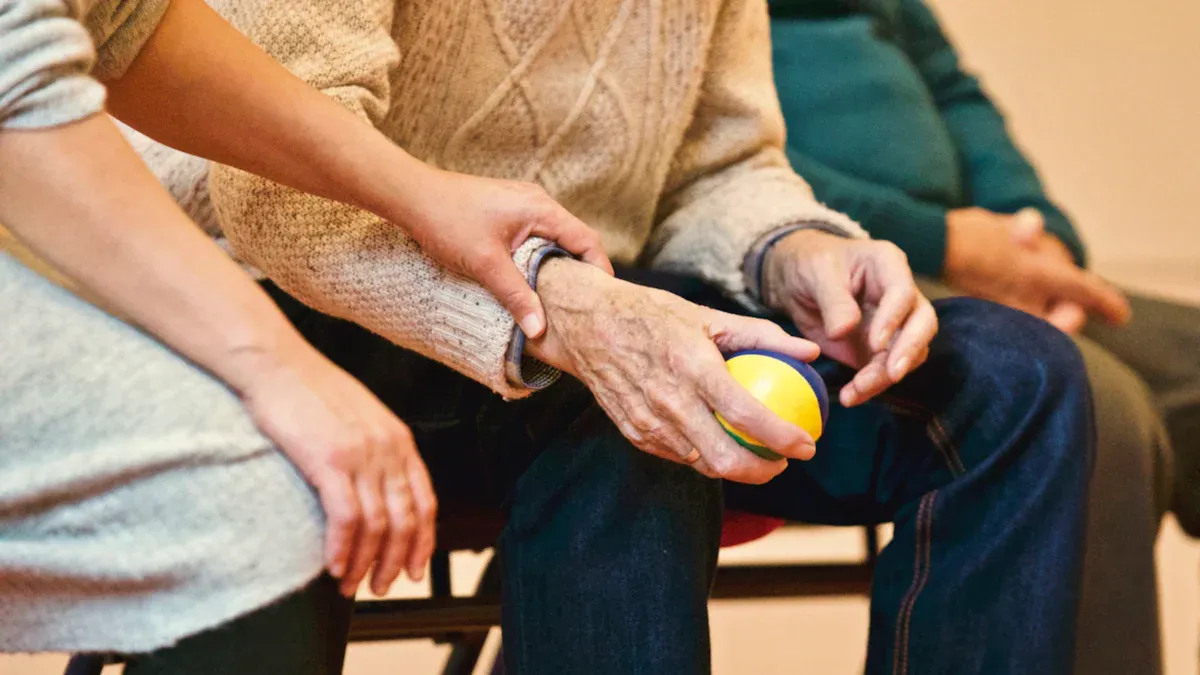
You see empathy shine brightest in caregiving. Imagine a caregiver sitting beside a worried patient, listening and offering comfort. That moment builds trust and makes care feel personal. The Power of Empathy in Caregiving stands above specialized knowledge or technical skills. Caregivers who truly understand emotions communicate better and help people feel safe. Whether you support a family member or work in a care facility, empathy connects you to those who need you most.
Evidence Type | Description |
|---|---|
Empathy is essential for providing quality care and positively influences job performance and patient health outcomes. | |
Communication | Caregivers with high empathic tendencies communicate more effectively with care recipients. |
Key Takeaways
Empathy is essential in caregiving. It helps build trust and makes care feel personal.
Effective communication stems from empathy. Caregivers who understand emotions connect better with those they support.
Empathy leads to better health outcomes. When care recipients feel understood, they follow care plans more closely.
Practicing empathy reduces caregiver burnout. It creates a sense of purpose and connection, making the job more rewarding.
You can grow your empathy daily. Simple actions like active listening and understanding others' feelings can enhance your caregiving.
The Power of Empathy in Caregiving
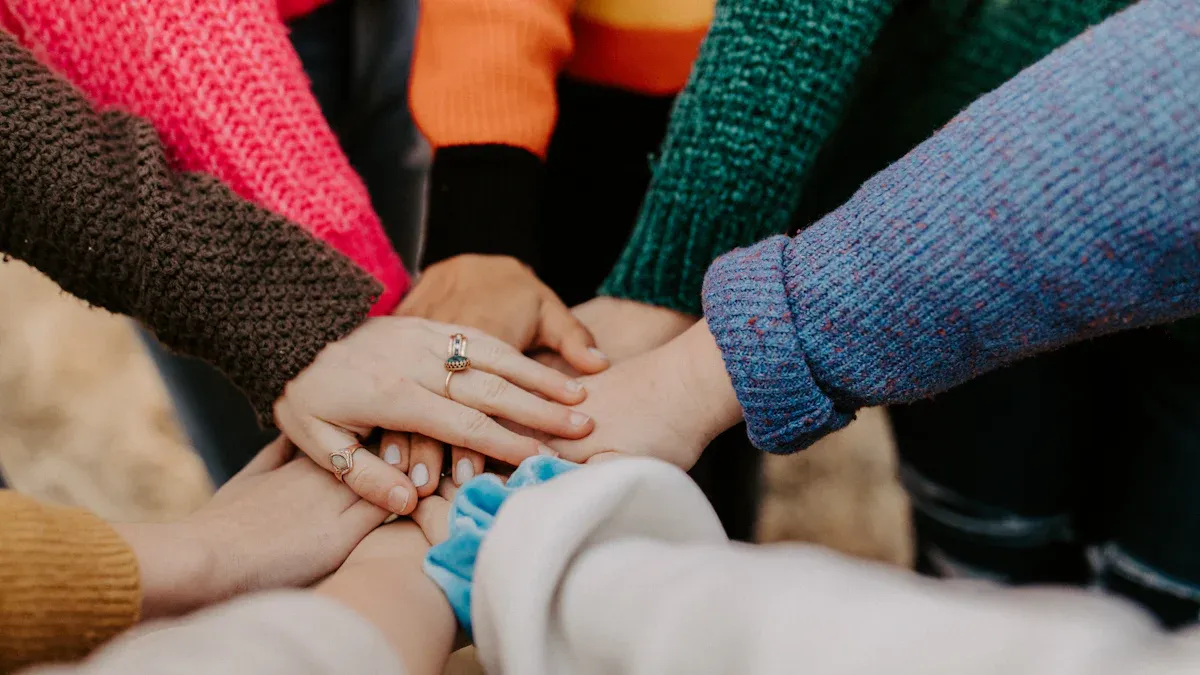
Defining Empathy for Caregivers
When you step into a caregiving role, you quickly learn that empathy is more than just a feeling. It is the heart of what you do every day. The Power of Empathy in Caregiving comes from your ability to understand and share the feelings of those you care for. This goes beyond just noticing someone is upset or happy. You connect with their emotions and show them they are not alone.
Empathy means you can sense what someone else feels and respond with care.
It helps you build strong, trusting relationships with those you support.
The Power of Empathy in Caregiving includes three parts: feeling what others feel (affective), understanding their thoughts (cognitive), and acting with kindness (behavioral).
You show empathy by listening, offering comfort, and accepting people without judgment.
Caregiving organizations teach you to balance empathy with your own well-being, so you can keep helping others without feeling overwhelmed.
When you use empathy, you notice small changes in mood or behavior. You can adjust your care to fit each person’s unique needs. This makes your support more personal and meaningful.
Empathy vs. Sympathy
It is easy to mix up empathy and sympathy, but they are not the same. The Power of Empathy in Caregiving stands out because it creates a deeper bond. Take a look at how they compare:
Aspect | Sympathy | Empathy |
|---|---|---|
Definition | Acknowledgment of another's suffering without sharing those feelings. | Sharing in another's feelings and experiencing them to a reasonable extent. |
Emotional Depth | More detached, surface-level reaction. | Profound emotional response requiring deeper connection. |
Cognitive Process | Relies on cognitive understanding of emotions. | Involves neurological synchrony, indicating active emotional experience. |
Impact | Often leads to offering condolences but lacks emotional connection. | Fosters a stronger bond and emotional validation, leading to feeling more understood. |
Preference | Less preferred in emotional difficulties. | Preferred in emotional support situations, enhancing connection and understanding. |
When you show empathy, you make people feel truly seen and heard. Many people say they prefer empathy because it feels warmer and more genuine. Sympathy can seem distant, while empathy brings you closer to the person you are caring for. The Power of Empathy in Caregiving helps you create trust and comfort, which makes a real difference in someone’s life.
Empathy’s Impact on Care Recipients

Building Trust and Safety
You know how important it feels to trust the person who cares for you. When you show empathy, you help care recipients feel safe and understood. Research shows that when you practice empathy, you build strong emotional connections. These connections make it easier for people to share their feelings and needs. This trust can lower stress and even reduce medical mistakes.
When you use empathy, you create a space where care recipients feel comfortable. They know you care about their well-being. Mindfulness practices, like loving-kindness meditation, can help you grow your compassion. This makes your care even more supportive and safe.
Here are some real-life ways empathy builds trust and safety:
A patient feels secure because he recognizes your scent. This shows he trusts you deeply.
You use a calm voice and familiar objects to comfort someone with dementia. Their anxiety drops, and they feel safer.
You listen closely and offer emotional support. This helps care recipients feel cared for and protected.
You explain things patiently, even if you have to repeat yourself. This reduces confusion and builds confidence.
Open and honest talks let people share their worries. They know you will listen and help.
When you act with empathy and compassion, care recipients feel hopeful and comfortable.
The Power of Empathy in Caregiving shines brightest when you help someone feel safe. You become a steady presence in their lives.
Enhancing Outcomes and Satisfaction
Empathy does more than make people feel good. It leads to better health outcomes and higher satisfaction. Studies show that when you listen and understand, care recipients follow their care plans more closely. They feel less stress and share important details about their health. This helps you give care that fits their needs.
Aspect | Findings |
|---|---|
Empathy Impact | Caregivers' empathy can sometimes lower their own satisfaction because they share in the patient's struggles. |
Communication Method | Good communication between you and the care recipient can ease this effect and improve satisfaction for both. |
You can see The Power of Empathy in Caregiving in many real-life moments:
You listen to patients’ stories. This helps you give care that matches their lives.
You respect cultural and personal preferences. People feel more at ease and respected.
You sit at eye level and use their name. This builds trust and makes them feel important.
You validate emotions before giving advice. People listen better and follow instructions.
You use gentle touch when it feels right. This lowers stress and brings comfort.
You involve care recipients in decisions. They feel in control and more satisfied.
You follow up with a personal message. This shows you care, even after they leave.
Empathy also helps care recipients feel better in the long run. When you show empathy, you boost their well-being and help them feel more confident. Studies say that higher empathy leads to better service and stronger relationships. People who feel understood have better mental health and a more positive outlook.
Evidence Description | Impact on Care Recipient |
|---|---|
Higher levels of empathy in caregivers lead to a more positive attitude towards caregiving. | Enhances the well-being of the care recipient. |
Lower levels of empathy result in a negative caregiving experience. | Adversely affects the mental health of the care recipient. |
Empathy increases engagement. People stick to their care plans and get better results.
It lowers distress, which is key for healing.
When care recipients feel understood, they share more, so you can help them better.
The Power of Empathy in Caregiving changes lives. You help people feel safe, heard, and valued. This leads to better health, more trust, and happier care experiences.
Benefits for Caregivers
Job Satisfaction and Performance
When you bring empathy into your daily caregiving, you notice a big change in how you feel about your work. You start to build stronger emotional connections with the people you care for. These connections make your job more rewarding and help you see the real impact you have on someone’s life. You don’t just follow a routine—you create moments that matter.
You improve relationships and communication with care recipients through emotional connection.
You see higher morale and patient safety when you use empathic communication.
You notice increased patient satisfaction and better treatment compliance when people feel understood.
You foster collaboration by promoting empathy among your team members.
You build trust, which boosts group cohesion and morale.
Empathy also helps you understand each person’s unique needs. You give personalized care, which leads to better health outcomes. When you listen and respond with kindness, you help patients feel safe and valued. You also work better with your colleagues. Regular team meetings and active listening help everyone share ideas and support each other. Celebrating small wins together lifts everyone’s spirits.
Empathy transforms routine tasks into meaningful moments. You become an advocate for those you care for, making sure their voices are heard and their dignity is respected.
Reducing Burnout
Caregiving can be tough. You face long hours and emotional challenges. Empathy helps you handle stress and keeps you from feeling overwhelmed. Studies show that when you practice empathy, you experience less emotional exhaustion and depersonalization.
Study Title | Findings |
|---|---|
Relationship between empathy and burnout as well as potential affecting and mediating factors | Empathy links to lower depersonalization and higher personal accomplishment. |
Empathy and Burnout – A Cross-Sectional Study Among Mental Healthcare Providers in France | Higher empathy means lower burnout, less emotional exhaustion, and less depersonalization. |
Empathy creates a sense of purpose. You feel more connected to your work and the people around you. You support your colleagues, and they support you. This teamwork helps everyone manage stress and stay motivated. When you care with empathy, you protect your own well-being while making a real difference for others.
Growing Empathy in Daily Care
Practical Strategies
You can grow your empathy every day, even during busy caregiving routines. Start by meeting people where they are emotionally. Bring your full self into each interaction. Stay flexible and adapt to each person’s needs. When you listen to someone’s life story or interests, you show respect for their unique experiences. Sometimes, you may face awkward moments. Acknowledge these and validate how the other person feels.
Here are some simple ways to build empathy:
Listen with your heart and your ears. Try to understand what the other person feels.
Respect each person as an individual with a rich life story.
Share and experience emotions together. This is called emotional empathy.
Try to see things from their point of view. This is cognitive empathy.
Take kind actions based on what you learn. This is behavioral empathy.
Tip: Empathy training programs, like the Simulation-based Empathy Enhancement Program for Caregivers, can help you improve your skills. Studies show that these programs boost empathy and lower stress for caregivers. You can also try mindfulness or journaling to reflect on your feelings and grow your understanding.
Overcoming Challenges
Empathy is not always easy. You might feel tired, stressed, or unsure how to connect. Many caregivers worry about being seen as “just babysitters,” but your role is much more important. You build deep bonds and often become like family to those you care for.
Here are some ways to overcome common challenges:
Solution | How It Helps |
|---|---|
Helps you stay present and focus on the feelings of others. | |
Connect with a support group | Reminds you that you are not alone and lets you share experiences with others. |
Consider journaling | Gives you space to process your emotions and gain new perspective. |
Take caregiving breaks | Lets you recharge so you can return with fresh energy and empathy. |
Remember, empathy grows with practice. Each day, you can find new ways to connect and care.
Empathy shapes every moment you spend caring for others. When you show empathy, you help people feel safe and valued. You also protect your own well-being.
Higher empathy leads to better care and stronger connections.
You feel less stress and more accomplishment.
Care recipients experience fewer negative emotions.
"Empathy is seeing with the eyes of another, listening with the ears of another and feeling with the heart of another."
Take a moment to reflect on your own caregiving. Every act of empathy makes a difference.
FAQ
What is the difference between empathy and sympathy in caregiving?
Empathy means you feel with someone. Sympathy means you feel for someone. When you use empathy, you connect on a deeper level. This helps you understand what the person needs most.
Can you learn to be more empathetic as a caregiver?
Yes, you can! Practice listening, ask open questions, and pay attention to body language. Over time, you will notice your empathy growing stronger. Everyone can improve with effort.
How does empathy help prevent caregiver burnout?
Empathy helps you build strong bonds. These bonds give you purpose and joy. When you feel connected, you handle stress better. You also feel less alone in your work.
What if you feel overwhelmed by emotions while caring for someone?
Tip: Take a short break, breathe deeply, or talk to a friend. It’s okay to feel strong emotions. Caring for yourself helps you care for others.
Does empathy make a difference for people receiving care?
Absolutely! 😊 When you show empathy, people feel safe and valued. They trust you more and follow care plans better. This leads to happier and healthier outcomes.
See Also
Essential Insights Into Embryonal Carcinoma You Should Know
Key Features and Insights About Craniopharyngioma Explained
Important Traits and Behavior of Mammary Secretory Carcinoma
Understanding Insulinoma: Its Importance and Key Details
Key Characteristics and Insights Into Glioblastoma Explained

© 2026 Banish Cancer. Banish Cancer is a registered non-profit organization providing evidence-based research, educational courses, and Fear Response AI support services. Reg. No: 305706884 | Address: Taikos pr. 43-603, Kaunas, Lithuania.