How Social Media Shapes Cancer Advocacy Campaigns in 2026


You see the world of cancer advocacy changing fast in 2026. Social media helps you share information quickly and reach people everywhere. It lets you join supportive communities where you can connect, learn, and share stories. Many patients use social media to find support and understand their health better. Caregivers and professionals use it to share facts, but they worry about misinformation and its effects. The Role of Social Media in Cancer Advocacy Campaigns stands out because it builds strong connections and spreads awareness faster than old methods. Still, you must stay alert to both the benefits and the risks.
Key Takeaways
Social media empowers cancer patients and caregivers by providing a platform for sharing experiences and finding support.
Engaging with online communities can reduce feelings of isolation and improve emotional well-being for those affected by cancer.
Misinformation is a risk on social media; always verify health information with trusted sources before sharing.
Social media campaigns significantly increase awareness and screening rates for cancer, leading to better health outcomes.
Privacy matters; be cautious about what personal health information you share online to protect your privacy.
Cancer Advocacy and Social Media Today
Defining Advocacy in 2026
You see cancer advocacy as more than just sharing facts. In 2026, you take part in a movement that empowers patients and caregivers. You use social media to ask questions, share updates, and find support. Advocacy means helping people spot early warning signs, encouraging them to visit doctors, and making treatments easier to understand. You belong to groups that include:
People recently diagnosed or supporting someone with cancer
Family members and caregivers looking for advice
Health-conscious readers who want to prevent cancer
Those curious about how social media changes health views
Social media gives you a voice and helps you feel less alone. You can connect with others and learn from their experiences.
Key Platforms and Trends
You rely on many platforms to spread cancer advocacy messages. Twitter, Facebook, Instagram, YouTube, TikTok, WhatsApp, and Quora all play important roles. Twitter (X) remains one of the most active platforms for real‑time cancer discussions and patient networking. You see trends like sharing personal stories, promoting health, and building support networks. Celebrities and influencers help you reach more people and teach about cancer prevention.
Twitter (X) is widely used for real‑time networking and information exchange.
Instagram and Facebook create strong communities.
TikTok removes barriers and brings health promotion to younger audiences.
Influencers and celebrities boost campaign visibility.
You notice that organizations adapt their strategies to fit each platform. They tailor messages to match the audience and culture, making campaigns more effective.
Audience Engagement Shifts
You watch engagement grow during special campaigns, especially for breast cancer awareness. Hashtags like #BreastCancerAwareness help you raise funds and spread knowledge. Online communities give you emotional support and practical advice. Survivor stories inspire you and others to stay strong.
Impact of Social Media on Health Behaviors | Findings |
|---|---|
Negative Effects | Misinformation leads to distress during health crises. |
Positive Effects | Improved knowledge and compliance with health recommendations. |
You see that trained advocates and trusted sources make campaigns stronger. The Role of Social Media in Cancer Advocacy Campaigns continues to shape how you learn, connect, and support others.
The Role of Social Media in Cancer Advocacy Campaigns
Raising Awareness and Early Detection
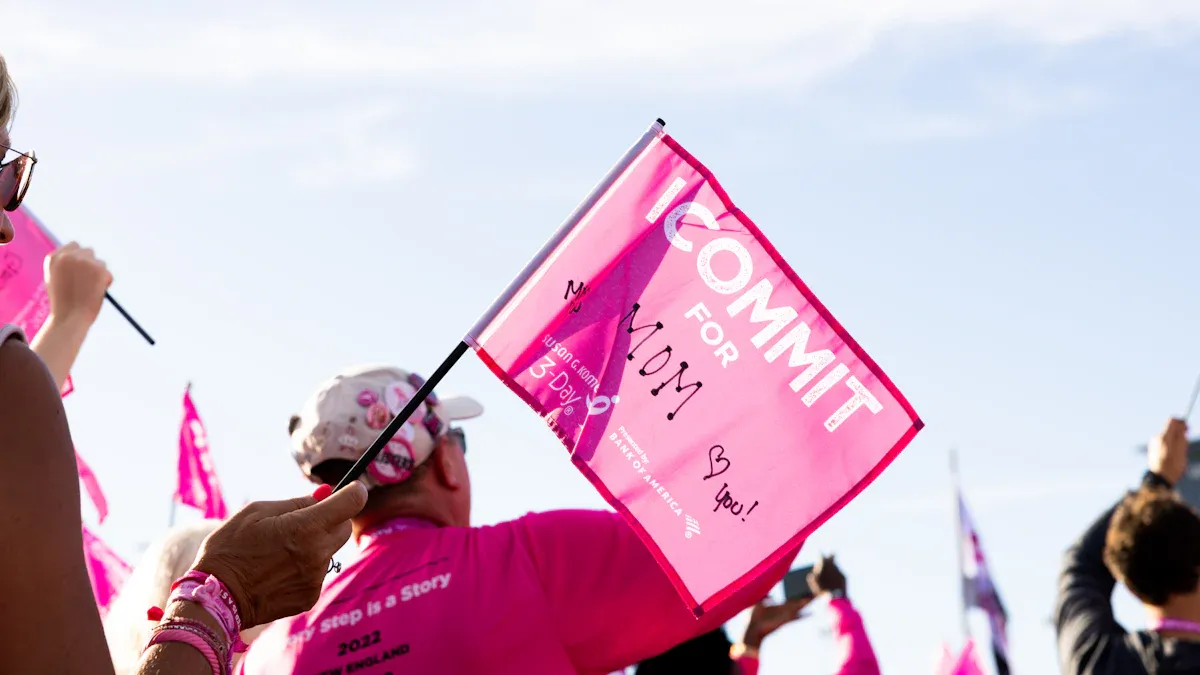
You play a big part in spreading cancer awareness through social media. The Role of Social Media in Cancer Advocacy Campaigns helps you reach people who may not see traditional ads or posters. You can share facts, stories, and reminders about cancer screening with just a few clicks. Many campaigns, like those for breast cancer, use hashtags and viral posts to encourage early checkups. When you see these messages, you feel more informed and motivated to act.
Here is how social media exposure affects awareness and checkup rates:
Group | Awareness of Screening | Routine Checkup Rate |
|---|---|---|
Exposed to Social Media Campaigns | High | |
Not Exposed to Social Media Campaigns | Low | 6.9% |
You notice that people who see social media campaigns are much more likely to get screened. The Role of Social Media in Cancer Advocacy Campaigns also brings more people to events and increases online conversations. For example, breast cancer campaigns on Twitter and Instagram get thousands of posts and comments. Offline events linked to these campaigns attract large crowds, showing that online action leads to real-world results.
Evidence Type | Findings |
|---|---|
Engagement Increase | 5 out of 23 articles reported increased engagement during campaigns. |
Health Information Sharing | 2 out of 23 articles noted a rise in health information-sharing tweets. |
Breast Cancer Campaign Traffic | 284,015 posts for breast cancer vs. 65,820 for prostate cancer in November. |
Offline Advocacy Participation | 9,000 participants joined an event linked to a social media campaign. |
Knowledge Improvement | Targeted interventions improved knowledge of symptoms and screening. |
Screening Intentions | 82% of women planned to get a mammogram after a campaign. |
Screening Attendance | Attendance at breast screening rose by 12.9% across seven sites. |
You see that social media not only spreads the word but also changes what people do about their health.
Community Support and Connection
You find comfort and strength in online cancer communities. The Role of Social Media in Cancer Advocacy Campaigns gives you a place to share your story, ask questions, and get advice. You can join groups on Facebook or Instagram where caregivers and patients talk about their feelings and daily struggles. These spaces help you feel less alone and more hopeful.
Facebook and Instagram connect caregivers, reducing isolation and offering emotional support.
Online communities let you share experiences and seek advice, which helps with anxiety and depression.
Groups like HealthTree Regional Cure Teams show how digital advocacy builds strong networks for people with blood cancer.
When you join these groups, you get both emotional and practical support. You learn new ways to cope and build resilience. Sharing your journey with others who understand your challenges lifts your mood and helps you see a brighter future.
Online support communities boost coping skills and resilience.
Safe spaces for sharing reduce feelings of isolation.
Talking with others who have faced cancer improves your mood and self-image.
You see that The Role of Social Media in Cancer Advocacy Campaigns goes beyond information. It creates real connections that help you and others feel supported every day.
Education and Information Sharing
You use social media to learn about cancer prevention, screening, and treatment. The Role of Social Media in Cancer Advocacy Campaigns lets you access up-to-date facts and advice from experts and trusted organizations. You can watch videos, read posts, and join live chats to get answers quickly. Social media makes it easy for you to share what you learn with friends and family.
Social media spreads information faster than traditional methods. You can see updates in real time and join conversations with people from around the world. Here is how social media compares to older ways of sharing health information:
Aspect | Social Media | Traditional Methods |
|---|---|---|
Speed of Information | Rapid dissemination | Static content |
Engagement | Interactive engagement | Limited interaction |
User Participation | Users create and share content | Expert-generated content |
Reach | Wide reach among users | Limited to specific audiences |
Accuracy | Varies, some scientifically accurate | Generally high, expert-verified |
You see that social media campaigns in places like Germany and France have raised awareness about health topics quickly. During the COVID-19 pandemic, you watched how fast information spread online. Health care professionals used social media to share facts and correct myths, helping you make better choices.
Still, you must stay alert. Not all information online is true. Some posts may contain misleading claims. You should look for sources that cite research or come from trusted organizations. Peer-reviewed journals and official health groups give you the most reliable facts. The Role of Social Media in Cancer Advocacy Campaigns works best when you check the accuracy of what you read and share.
Impact, Benefits, and Challenges
Expanding Reach and Influence
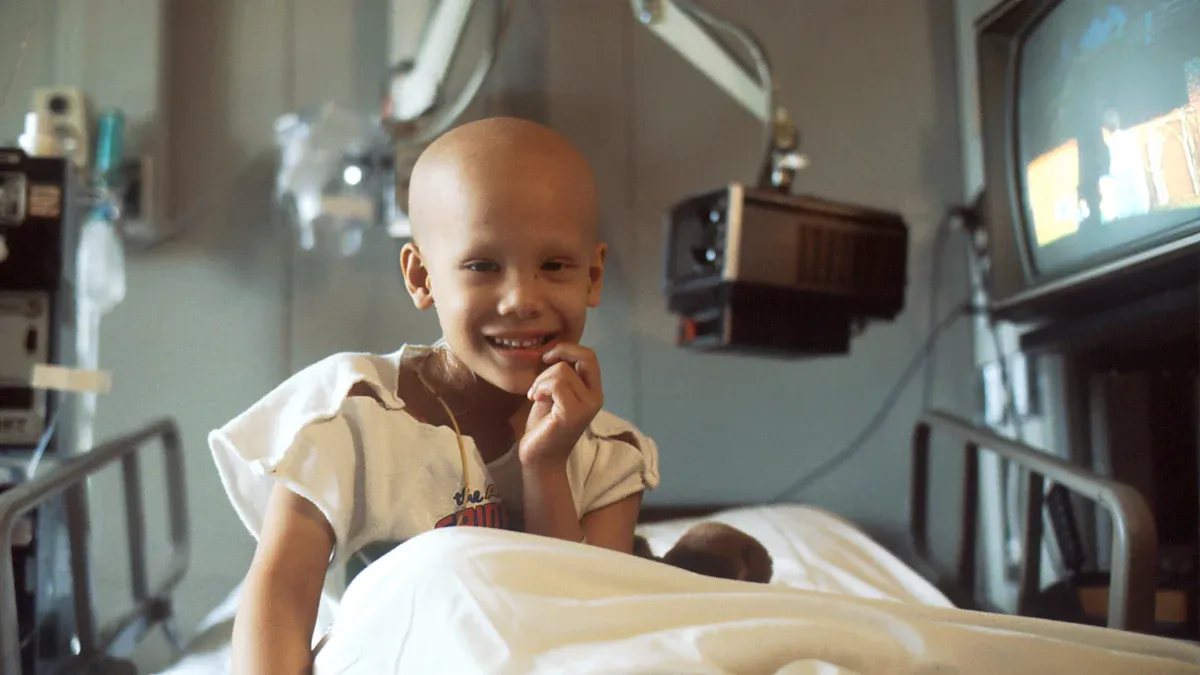
You can see how social media helps cancer advocacy groups reach more people than ever before. The Role of Social Media in Cancer Advocacy Campaigns lets you share messages that encourage healthy choices and support social change. You notice that many organizations use social media to set clear goals and measure their progress. They focus on changing behaviors, like getting regular checkups or joining support groups.
You can join peer-to-peer fundraising events online. These events let you raise money for cancer research by asking friends and family to help.
Fundraising becomes easier and more fun when you use your own network.
Organizations use pictures and videos that match your culture, so you feel included.
Partnerships with community groups and health professionals help more people see and trust the messages.
Regular checks of social media data help groups improve their posts and make information easy to understand.
Social media makes it possible for you to help, learn, and connect with others, no matter where you live.
Misinformation Risks
You may find that not all information about cancer on social media is true. In 2026, you often see myths about unproven treatments, like claims that vitamin C cures cancer or that sugar makes cancer worse. These myths can appear because social media shows you posts based on your interests and health searches.
Algorithms often amplify posts that trigger strong reactions, which can unintentionally boost misleading cancer content. Most false claims fall into five groups: vitamins and minerals, herbs and supplements, special diets, mind-body ideas, and other treatments.
Most misinformation spreads through repetition and emotional language and often looks convincing because it uses personal stories, dramatic claims, or scientific‑sounding language — not evidence, which is why verification matters.
People sometimes share these posts because they want to help or give hope. You can help stop the spread of false information by thinking before you share. Social cues, like reminders about the harm of misinformation, can make you pause and check facts. You can also:
Work with trusted patient advocates.
Share stories that mix real-life experiences with expert advice.
Support health groups that check facts and correct rumors quickly.
Look for posts from doctors and nurses who explain treatments clearly.
Learn how to spot reliable health information.
Privacy and Ethics
You should know that sharing your cancer story online can bring both support and risks. Many people worry about their private health details being shared without permission. You might feel upset if you read negative stories or see your information used in ways you did not expect. Some patients feel stressed when they see too much sad news or when their health status is exposed.
Always check privacy settings before posting. Remember that anything you share in a public group can be seen by anyone. Avoid posting hospital locations, appointment times, or identifiable medical documents, as these can expose you to privacy risks.
Groups like the American Cancer Society remind you to give consent before sharing health details.
They warn that public posts may be seen by strangers.
You should always think about who can see your posts and protect your personal information.
The Role of Social Media in Cancer Advocacy Campaigns gives you a powerful voice, but you must use it wisely to stay safe and informed.
You see social media changing cancer advocacy in 2026 by making support, education, and connection easier than ever. You can help others by sharing clear, easy-to-understand information about treatments and side effects.
Create content on topics people search for most, like hair loss and skin care.
Work with survivors and professionals to answer common questions.
Use social platforms to reach women and other active groups.
Social media brings both support and challenges. You must stay alert to misinformation and protect your privacy as you help build a stronger, more informed community.
FAQ
How can you find reliable cancer information on social media?
You should look for posts from trusted organizations like the American Cancer Society. Check if the information comes from doctors or researchers. Always compare facts with official health websites before sharing.
What should you do if you see cancer misinformation online?
You can report the post to the platform. You should share correct information from experts. Remind others to check facts before believing or spreading health claims.
How do online cancer communities help you?
You can join groups to share your story and ask questions. These communities give you support and advice. You feel less alone when you connect with others who understand your journey.
Is it safe to share your cancer story on social media?
You should check your privacy settings before posting. Only share what you feel comfortable with. Remember, public posts can be seen by anyone. Protect your personal details to stay safe.
This article is for educational purposes only and is not a substitute for professional medical advice. For more details, please see our Disclaimer. To understand how we create and review our content, please see our Editorial Policy.
See Also
Recognizing Symptoms And Causes Of Esophageal Cancer
Exploring Cancer Types Associated With AIDS Infection
Identifying Symptoms Related To Hypopharyngeal Cancer

© 2026 Banish Cancer. Banish Cancer is a registered non-profit organization providing evidence-based research, educational courses, and Fear Response AI support services. Reg. No: 305706884 | Address: Taikos pr. 43-603, Kaunas, Lithuania.