Understanding How PTSD Impacts Cancer Recovery


PTSD can make cancer recovery harder for you. It may increase emotional distress and cause problems with treatment. You might notice changes in your mood or daily life. PTSD can develop during diagnosis, throughout treatment, or even after you finish. Studies show that between 4% and 55% of cancer patients experience PTSD. About 32% of survivors feel its effects after treatment. Understanding and Mitigating PTSD in Cancer Patients helps improve well-being and supports your recovery.
Prevalence rates among cancer patients:
7.3% to 13.8% report significant symptoms.
12.6% lifetime prevalence.
10-20% have subsyndromal symptoms.
Key Takeaways
PTSD affects many cancer patients, with 4% to 55% experiencing symptoms. Recognizing these symptoms early can improve recovery.
Common triggers for PTSD in cancer patients include receiving a diagnosis, undergoing treatments, and feeling powerless during procedures. Awareness of these triggers can help you manage your reactions.
Avoidance behaviors, like skipping appointments, can worsen PTSD symptoms and hinder recovery. Open communication with your care team is essential for support.
Therapies like Cognitive-Behavioral Therapy (CBT) and Eye Movement Desensitization and Reprocessing (EMDR) are effective for managing PTSD. Explore different options to find what works best for you.
Joining support groups can reduce feelings of isolation and provide valuable coping strategies. Connecting with others who understand your experience can enhance your recovery journey.
Why PTSD Develops in Cancer Patients
Traumatic Triggers in Cancer Care
You may face many stressful moments during cancer care. These moments can feel traumatic and may lead to PTSD. Some common triggers include:
Exposure of your body during exams or procedures
Lying still for scans or treatments, which can make you feel powerless
The confined space of treatment rooms
Bodily touch from medical staff, which can be especially hard if you have a history of trauma
Receiving your diagnosis, which often brings shock or fear
Almost all women with breast cancer report at least one traumatic event related to their disease or treatment. Over half feel intense fear, helplessness, or horror during these times. You may notice distress or even feel disconnected from yourself when facing these triggers.
Emotional and Social Stressors
Your emotions and relationships play a big role in how you handle cancer. Some factors can make PTSD more likely. The table below shows how these stressors affect you:
Contributing Factors | Description |
|---|---|
Lack of social support | You may not get enough help or comfort from others. |
High levels of general stress | Stress from daily life can make coping harder. |
Previous trauma | Past bad experiences can increase your risk. |
Depression and low hope can also raise your chances of developing PTSD. If you feel alone or your quality of life drops, you may struggle more with PTSD symptoms.
When PTSD Symptoms Appear
PTSD can show up at any stage of your cancer journey. You might notice symptoms:
When you first hear your diagnosis
If your treatment plan changes
When you switch doctors or care teams
If your disease gets worse
During treatments like chemotherapy or radiation
When you worry about money or bills
A study found that about 22% of adults with cancer had PTSD six months after diagnosis. This number dropped to 6% after four years. Breast cancer patients are less likely to develop PTSD than those with other types of cancer. You may find that symptoms come and go, depending on your situation.
Recognizing PTSD Symptoms

Emotional and Behavioral Signs
You may notice changes in your emotions and actions during cancer treatment. PTSD can cause you to avoid things that remind you of your illness. You might feel fear when you see medical equipment or think about treatment. Some people avoid using feeding tubes or certain foods because of pain or discomfort. You may feel embarrassed or discouraged if treatment changes your appearance or speech. Sometimes, you might pull away from others if you feel grief or trauma. Lack of support from your medical team can make these feelings stronger.
Here are common emotional and behavioral signs:
Avoiding reminders of cancer or treatment
Feeling anxious or scared most days
Having nightmares or flashbacks
Losing interest in activities you once enjoyed
Feeling guilt, hopelessness, or shame
Trouble sleeping or concentrating
Acting in ways that may harm yourself
Physical and Health Effects
PTSD does not only affect your mind. It can also change how your body feels and works. You may notice that you feel tired all the time. Some people have headaches or stomachaches. You might feel disconnected from your body, as if you are watching yourself from outside. Sometimes, the world may seem unreal or strange. These symptoms can make it hard for you to focus on your recovery.
Symptom Type | Description |
|---|---|
Avoidance symptoms | You may avoid thoughts, feelings, or people linked to your cancer experience. |
Negative mood | You might find it hard to feel happy or join social events. |
Lack of arousal/reactivity | You could feel irritable, have trouble sleeping, or act in risky ways. |
Depersonalization | You may feel disconnected from your own body. |
Derealization | The world may seem unreal or distant to you. |
Avoidance and Its Consequences
Avoidance is a key sign of PTSD. You might skip appointments or avoid talking about your cancer. This behavior can affect your health and recovery. High levels of avoidance link to more feelings of stress and alertness. Low avoidance can help you feel calmer. Moderate avoidance does not change your stress much.
Avoidance Level | Effect on Hyperarousal | Significance |
|---|---|---|
High Avoidance | Positive association | p = 0.028 |
Low Avoidance | Negative association | p = 0.010 |
Moderate Avoidance | No significant effect | p = 0.585 |
Tip: If you notice yourself avoiding reminders of cancer, try to talk to someone you trust. Early support can help you manage these feelings and improve your recovery.
Cancer-related PTSD looks different from PTSD in other people. You may face trauma at many stages, from diagnosis to treatment. The emotional burden, such as fear of cancer coming back, makes your experience unique. PTSD rates in cancer patients are much higher than in the general population, and symptoms can last for years.
PTSD and Cancer Recovery
Impact on Treatment Adherence
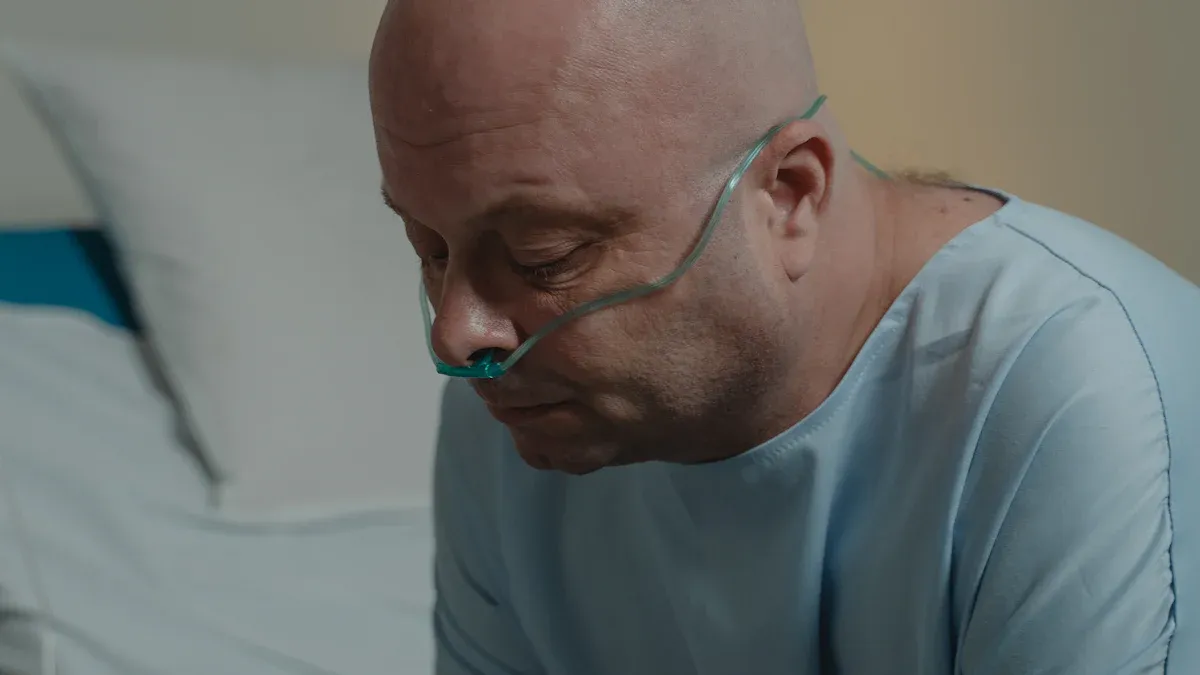
PTSD can make it harder for you to follow your cancer treatment plan. You might feel overwhelmed by fear or anxiety before appointments. Sometimes, you may want to skip treatments or avoid talking to your doctors. Research shows that many cancer patients try to stick to their treatment plans. However, if you have strong PTSD symptoms, you may feel like it is much harder to keep up with your medical routine. This feeling can make you worry about missing doses or not following instructions, even if you are doing everything right. When you feel this way, it is important to talk to your care team. They can help you find ways to manage your stress and stay on track.
Tip: If you notice that you are struggling with appointments or medication, let your doctor or nurse know. They can support you and help you find solutions.
Effects on Well-Being and Outcomes
PTSD does not just affect your mind. It can change how you feel about your life and your health. Many people with cancer and PTSD report lower quality of life than people who do not have cancer. You may feel tired, sad, or less hopeful about the future. These feelings can make it harder for you to enjoy time with family or friends.
The number of lung cancer patients with PTSD ranges from 5% to 16%.
If you have high levels of posttraumatic stress, you may notice that your mental health is not as strong.
People who find ways to grow after trauma often have better physical health and may live longer.
The table below shows how PTSD can affect your quality of life as a cancer survivor:
Evidence Type | Findings |
|---|---|
Study on QoL and PTSD | Cancer survivors exhibit worse quality of life compared to the general population (Quinn et al., 2015). |
Longitudinal Study | Patients with breast cancer reported low global QoL scores at 18 months post-diagnosis (Montazeri et al., 2008). |
PTSD Prevalence | About 9.6% of breast cancer patients develop PTSD symptoms (Wu et al., 2016). |
Psychosocial Co-morbidities | PTSD is associated with lower QoL and is prevalent in 12% of long-term breast cancer survivors (IARC, 2018). |
Recommendations | Timely identification and treatment of PTSD may improve quality of life for cancer patients. |
Understanding and Mitigating PTSD in Cancer Patients can help you feel better and improve your daily life. When you get the right support, you may notice more energy and a brighter outlook.
Complications from Avoidance
Avoidance is a common reaction when you have PTSD. You might skip medical visits, avoid talking about your cancer, or stay away from people who remind you of your illness. This behavior can lead to more problems. If you miss appointments or stop treatments, your health may get worse. You may also feel more alone or stressed.
Avoidance can also make it harder for your care team to help you. They may not know you are struggling if you do not share your feelings. When you avoid reminders of cancer, you may miss out on helpful advice or support. Understanding and Mitigating PTSD in Cancer Patients means facing these challenges early. You can work with your doctors, counselors, or support groups to find healthy ways to cope.
Note: Facing your fears with help from others can make a big difference. You do not have to go through this alone.
Understanding and Mitigating PTSD in Cancer Patients gives you tools to manage stress, improve your health, and support your recovery journey.
Understanding and Mitigating PTSD in Cancer Patients
Therapy and Counseling Options
You have many choices for therapy and counseling when you want to manage PTSD during cancer recovery. Therapies help you understand your feelings and teach you ways to cope. Some therapies work better than others for cancer-related PTSD. You can see the differences in the table below:
Therapy Type | Effectiveness Description |
|---|---|
Cognitive-Behavioral Therapy (CBT) | More effective than counseling; reduces cancer-specific thought intrusions. |
Eye Movement Desensitization and Reprocessing (EMDR) | Performs better than individual CBT; useful compared to treatment as usual. |
Acceptance and Commitment Therapy | Effective in reducing demoralization and cancer-related trauma symptoms. |
Expressive Writing Intervention | Useful for hyperarousal and re-experiencing symptoms; significant differences in PTSD symptoms noted. |
Positive Psychotherapy | Promotes post-traumatic growth and reduces post-traumatic stress; benefits maintained at 1-year follow-up. |
Meditation | Unclear effectiveness for PTSD; some patients with chronic stress reported improvements. |
Supportive Care | Effective in reducing post-traumatic stress symptoms compared to controls. |
Group Cognitive Emotional Work | Useful when compared with treatment as usual. |
Complimentary Therapy | Compared with standard support group; support group showed better outcomes. |
You may find that talking to a counselor helps you feel less alone. Group therapy lets you share your story with others who understand. Early intervention makes a big difference. Patients who start therapy soon after diagnosis often feel less anxious and more hopeful. You can ask your care team about these options.
Tip: Try different therapies to see what works best for you. You may need to combine counseling with other treatments for the best results.
Medication and Medical Support
Doctors often prescribe medication to help you manage PTSD symptoms. You may hear about SSRIs like sertraline, paroxetine, and fluoxetine. These medicines help reduce anxiety and depression. Venlafaxine is another option. Doctors use these medications to treat PTSD, and some are FDA-approved for this purpose.
SSRIs: Sertraline (50-200 mg), Paroxetine (20-60 mg), Fluoxetine (20-60 mg)
SNRI: Venlafaxine (75-300 mg)
Psilocybin treatment has shown promise for improving quality of life in cancer patients. People who use it report more energy, better relationships, and improved work performance. Medication can help you feel calmer and more focused. You should talk to your doctor before starting any new medicine. Your care team will help you find the right dose and monitor side effects.
Note: Medication works best when you combine it with therapy and support. Always follow your doctor's advice.
Relaxation and Self-Care Strategies
You can use relaxation and self-care strategies to lower stress and manage PTSD. Maria, a cancer survivor, found relaxation training and detached mindfulness very helpful. She felt less tense and more confident after using these techniques. You may notice better sleep and less anxiety when you practice self-care.
Here are some strategies you can try:
Acupuncture
Aromatherapy
Chiropractic therapy
Guided imagery
Hypnosis
Journaling
Massage
Medical cannabis
Meditation
Music therapy
Progressive muscle relaxation
Reiki
Shiatsu
Spirituality and prayer
Tai chi
Yoga
You can choose one or more activities that fit your lifestyle. Many people find that yoga and meditation help them feel calm. Music therapy and journaling let you express your feelings. You may want to join a class or use online videos to learn new skills.
Callout: Self-care is not selfish. Taking time for yourself helps you heal and improves your recovery.
Support Groups and Community Resources
Support groups and community resources play a big role in your recovery. You can join a group in person, online, or by phone. These groups help you connect with others who share your experience. You can talk about your feelings, learn new coping strategies, and get practical advice.
Evidence Type | Description |
|---|---|
Emotional Support | Support groups provide emotional support, helping patients cope with feelings of isolation and anxiety. |
Shared Experiences | Patients can share their experiences and coping strategies, enhancing feelings of hope and empowerment. |
Practical Information | Groups offer practical information that assists in navigating the healthcare system and treatment options. |
Support groups help you feel less alone. You may notice less anxiety and more hope after joining. These groups teach you new ways to cope and give you strength to face challenges. You can also find community resources that offer help with transportation, finances, or home care.
Helps learn new coping strategies.
Increases feelings of hope and empowerment.
Tip: Ask your doctor or nurse about local support groups. You can also search online for national organizations.
Early Intervention and Ongoing Support
You should start managing PTSD as soon as possible. Early intervention helps you feel better and prevents long-term problems. Studies show that patients who use early support tools, like the PTSD Coach app, report less anxiety after six months. You may need ongoing support, especially if symptoms last for years. Long-term monitoring and repeated mental health screening help you stay healthy.
Caregivers also need support. They may feel stress and helplessness when caring for you. You can encourage your caregiver to seek help if they struggle. When both you and your caregiver get support, your recovery improves.
Understanding and Mitigating PTSD in Cancer Patients means using therapy, medication, self-care, and support groups. You can improve your quality of life and feel more hopeful about the future.
When to Seek Professional Help
Warning Signs to Watch For
You may wonder when it is time to reach out for professional help. PTSD symptoms can feel overwhelming, but some signs show you need extra support. If symptoms last longer than one month, you should consider talking to a mental health professional. You might notice several symptoms at once, such as trouble sleeping, feeling anxious, or avoiding reminders of cancer. These symptoms can make daily life difficult. If you feel stuck and cannot move forward in your recovery, professional help can guide you.
Common warning signs include:
Symptoms that last more than a month
Multiple symptoms at the same time
Difficulty with daily activities, such as work or family life
Feeling unable to cope or move forward
Tip: If you notice these signs, do not wait. Early help can make recovery easier.
Finding the Right Support
You have many options for finding help. Cancer care centers often have mental health professionals on staff, such as psychiatrists, psychologists, and social workers. You can search for therapists who specialize in cancer-related trauma, anxiety, or depression. Online tools like Psychology Today let you find professionals by city or ZIP code.
Resources to help you find support:
Cancer care centers with mental health staff
Therapists who focus on cancer-related issues
Online directories like Psychology Today, Good Therapy, and Better Help
Helplines from organizations such as Cancer Support Community and Cancer Lifeline
Steps to connect with a therapist:
Check your insurance provider’s website for covered therapists.
Ask your employer about Employee Assistance Programs for free sessions.
Consult your regular healthcare provider for recommendations.
Note: You do not have to face PTSD alone. Support is available, and reaching out is a strong step toward healing.
You can improve your cancer recovery by recognizing PTSD early and seeking treatment. Many people with cancer experience PTSD, which can lower your quality of life and make recovery harder. Getting support helps you feel better and adjust over time. The table below shows why early action matters:
Finding | Description |
|---|---|
PTSD Incidence | 21.7% of patients had PTSD at 6 months |
Long-term PTSD | 1/3 of patients with PTSD had worse symptoms after 4 years |
Importance of Support | Support improves well-being and recovery for cancer patients |
Tip: If you or someone you love struggles with PTSD during or after cancer, reach out for help. You are not alone, and support can make a real difference.
FAQ
What is PTSD in cancer patients?
PTSD stands for post-traumatic stress disorder. You may develop it after a cancer diagnosis or treatment. It causes strong feelings like fear, anxiety, or sadness. You might relive stressful moments or avoid reminders of cancer.
Can PTSD go away on its own?
PTSD sometimes gets better with time. You may notice symptoms fade as you heal. If symptoms last more than a month or get worse, you should talk to a mental health professional for help.
How do I know if I need help for PTSD?
You should seek help if you feel anxious, have trouble sleeping, or avoid cancer care. If these problems make daily life hard, a counselor or doctor can support you.
Will talking about my cancer make PTSD worse?
Talking about your experience often helps you heal. You may feel nervous at first. Sharing your feelings with someone you trust can lower stress and help you recover.
Are there support groups for cancer-related PTSD?
Yes, many hospitals and cancer centers offer support groups. You can join in person or online. These groups let you share your story and learn from others who understand what you face.
#BanishCancer
See Also
Recognizing Symptoms and Treatments of Conjunctival Melanoma
Key Features and Behavior of Mammary Secretory Carcinoma
Cholangiocarcinoma: Essential Characteristics You Should Know
Identifying Inflammatory Breast Cancer: Symptoms to Watch For

© 2026 Banish Cancer. Banish Cancer is a registered non-profit organization providing evidence-based research, educational courses, and Fear Response AI support services. Reg. No: 305706884 | Address: Taikos pr. 43-603, Kaunas, Lithuania.