Hormones and Cancer: What Drives Growth and Raises Risk?

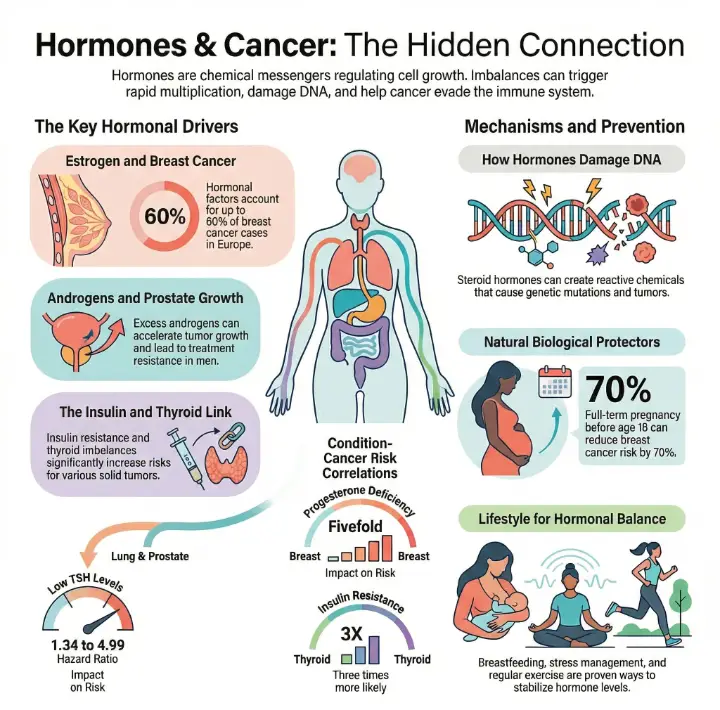
You might not realize it, but hormones play a powerful role in cancer. Hormones can encourage cells to grow quickly, change how your immune system works, and even affect how well treatments work. Both too much and too little of certain hormones may raise your risk for cancer. For example, breast cancer rates show that hormonal factors account for 40% of cases in Africa and up to 60% in Europe. Studies also show that most endometrial cancers happen after menopause. Understanding the Role of Hormones in Cancer Development helps you see why keeping hormones balanced matters for your health.
Key Takeaways
Hormones are crucial in cancer development. Both high and low hormone levels can increase cancer risk. Understanding this can help you manage your health.
Maintaining balanced hormones is essential. Healthy habits like a good diet, regular exercise, and stress management can help keep your hormones in check.
Estrogens significantly influence breast cancer risk. Higher estrogen levels over time can lead to increased chances of developing breast cancer.
Androgens play a key role in prostate cancer. Too many androgens can accelerate cancer growth, making hormone management vital for men's health.
Hormone therapy can be an effective treatment for certain cancers. Discuss your hormone levels with your doctor to find the best treatment plan.
Understanding the Role of Hormones in Cancer Development

What Are Hormones?
Hormones are chemical messengers in your body. They travel through your blood and tell different organs and tissues what to do. You can think of hormones as signals that help your body work smoothly. Each hormone has a special job. For example, insulin helps control your blood sugar, while thyroid hormones help set your energy level.
Normal Hormonal Functions
Hormones play a big part in how your cells grow and divide. When you grow taller or heal from a cut, hormones help make that happen. Here are some ways hormones control cell growth:
Growth hormone helps your bones and muscles grow by making your body produce special proteins called insulin-like growth factors.
Growth hormone also helps your body use fat for energy and keeps your muscles strong.
Insulin and thyroid hormones help your cells grow and change into the right type of cell.
When your hormones work as they should, your body stays healthy. This balance keeps your cells growing at the right speed.
Hormone Imbalances and Cancer Risk
Sometimes, your body makes too much or too little of a hormone. This can cause problems. If you have too much estrogen or not enough progesterone, your breast cells may start to grow too fast. This can lead to tumors. High insulin levels can also make cells grow too quickly, raising your risk for some cancers.
Doctors have found that both high and low levels of thyroid hormones can increase cancer risk. For example, people with low TSH or high free T4 have a higher chance of getting lung, breast, or prostate cancer.
Study | Findings | Cancer Type | Hazard Ratio (HR) |
|---|---|---|---|
Hellevik et al. | Low TSH levels linked to more cancer | Lung, Prostate | 1.34 (overall), 2.34 (lung), 4.99 (prostate) |
Hyperthyroidism Study | More cancer in people with hyperthyroidism | Thyroid | 1.2 (overall), 6.8 (thyroid) |
Rotterdam Study | High free T4 linked to more solid cancers | Lung, Breast | 1.42 (solid), 2.33 (lung), 1.77 (breast) |
Understanding the Role of Hormones in Cancer Development helps you see why keeping your hormones balanced matters. When you know how hormones affect your cells, you can better protect your health. You can also talk to your doctor about ways to keep your hormones in check. Understanding the Role of Hormones in Cancer Development gives you the power to make smart choices for your future.
Hormones Linked to Cancer
Estrogens and Breast Cancer
You may know that breast cancer is one of the most common cancers in the world. Estrogens play a big part in how breast cancer starts and grows. These hormones can make breast cells divide faster. If you have more estrogen in your body for a long time, your risk for breast cancer goes up. This happens especially if you started your period early or went through menopause late. Both of these mean your body had more years with high estrogen levels.
Estrogens can fuel breast cancer even if the cancer cells do not have hormone receptors. This means estrogen can affect more types of breast cancer than you might think. Recent research shows that estrogen can change the DNA inside cells, which may lead to cancer. Scientists found that estrogen is responsible for about one-third of breast cancer cases by directly changing cell DNA.
Note: Estrogen's role in breast cancer is complex. It can promote tumor growth in both hormone receptor-positive and hormone receptor-negative cancers.
You should also know that not just estrogen, but the balance with other hormones matters. For example, having low progesterone can raise your breast cancer risk five times. When doctors looked at women who had a full-term pregnancy before age 18, they found a 70% lower risk of breast cancer. This shows that hormone changes during pregnancy can protect you.
Evidence Description | Findings |
|---|---|
Full-term pregnancy before age 18 | 70% decrease in breast cancer risk |
Progesterone deficiency | Fivefold increase in breast cancer risk |
Estrogen alone impact | Little impact on breast cancer risk |
Estrogen and progestin combination | May increase breast cancer risk |
Progesterone's effectiveness | Comparable to tamoxifen in breast cancer care |
Understanding the Role of Hormones in Cancer Development helps you see why both too much and too little estrogen or progesterone can change your cancer risk.
Androgens and Prostate Cancer
Androgens are male hormones, like testosterone. They help your body grow and keep muscles strong. In men, androgens are important for prostate health. But too many androgens, or changes in how your body uses them, can lead to prostate cancer.
Prostate cancer is a major cancer for men around the world. Androgens can make prostate cancer cells grow faster. Some prostate cancers keep growing even when doctors lower androgen levels. This happens because the cancer cells find new ways to use androgens or make their own.
Evidence Description | Source |
|---|---|
Androgen receptor splice variants promote androgen depletion-resistant growth in prostate cancer. | Cancer Res. 2009;69:2305–13 |
Aberrant AR activation supports ligand-independent prostate cancer cell growth and progression. | Nat Rev Clin Oncol. 2018;15:663–75 |
Maintenance of AR signaling is crucial for resistance in castration environments. | ScienceDirect Article |
Doctors use treatments called androgen deprivation therapy (ADT) to lower androgen levels. ADT can slow cancer growth, but some cancers become resistant. If you have a higher Gleason score or PSA level, you may have a higher risk for cancer-related death. Doctors use these scores to decide if ADT will help you.
Aspect | Findings |
|---|---|
Results | Higher Gleason score and PSA levels linked to increased risk for cancer-related mortality. |
Stratification | Patients with higher omega scores showed significant benefits from ADT in reducing cancer events. |
Conclusion | Competing event risk stratification is useful for identifying patients who benefit from ADT. |
Understanding the Role of Hormones in Cancer Development can help you talk with your doctor about the best treatment for prostate cancer.
Growth Hormone and Tumor Progression
Growth hormone (GH) helps your body grow and repair itself. It works with another hormone called insulin-like growth factor (IGF). Together, they help your cells grow and divide. But too much growth hormone can make cancer cells grow faster.
Research shows that if your body cannot use growth hormone, you may have a lower risk for cancer. The GH-IGF axis does not start cancer, but it helps cancer cells grow, move, and spread. Growth hormone also makes it harder for some cancer treatments to work. Many cancers have more growth hormone receptors, which means they can use GH to grow and avoid dying.
Tip: The GH/IGF axis is important in cancer. It helps cancer cells multiply and survive. Tumors often have more IGF receptors, making them harder to treat.
Other Hormones (Insulin, Thyroid, etc.)
Insulin and thyroid hormones also play a role in cancer. High insulin levels can make cells grow too fast. This can lead to cancer, especially in the thyroid. People with insulin resistance are three times more likely to have thyroid cancer than those without it. Insulin and IGF-1 help cells make new DNA and divide, which can raise your cancer risk.
Mechanism | Description |
|---|---|
Insulin Resistance | Leads to hyperinsulinemia, promoting cell proliferation and tumor growth. |
IGF System Interaction | Insulin and IGF-1 promote DNA synthesis and cell proliferation. |
TSH Role | Stimulates thyroid cell proliferation, increasing cancer risk. |
Overexpression of Receptors | Cancerous thyroid cells often overexpress insulin and IGF-1 receptors. |
Hyperglycemia Effects | Provides energy for tumor growth and increases DNA damage. |
Thyroid hormones can both raise and lower cancer risk. High TSH, TT3, and TT4 levels are linked to more bladder cancer. Mild hypothyroidism may lower the risk of breast and endometrial cancers and help patients live longer. Hyperthyroidism can raise the risk of breast cancer, especially in women after menopause.
Cancer Type | Thyroid Hormone Levels | Findings |
|---|---|---|
Bladder Cancer | Elevated TSH, TT3, TT4 | Higher levels linked to increased incidence and stage of bladder cancer. |
Female-specific Cancers | Hypothyroidism | Linked to reduced risk of breast and endometrial cancers, with better survival rates. |
Stress hormones also matter. They can change how your immune cells work. This can wake up sleeping cancer cells and help tumors form.
When you look at all these hormones together, you see that Understanding the Role of Hormones in Cancer Development is key for your health. Hormones like estrogen, androgen, growth hormone, insulin, and thyroid hormones all play a part in cancer risk and growth. Knowing how they work helps you and your doctor make better choices for cancer prevention and treatment.
Hormonal Mechanisms in Cancer
Stimulating Cell Growth
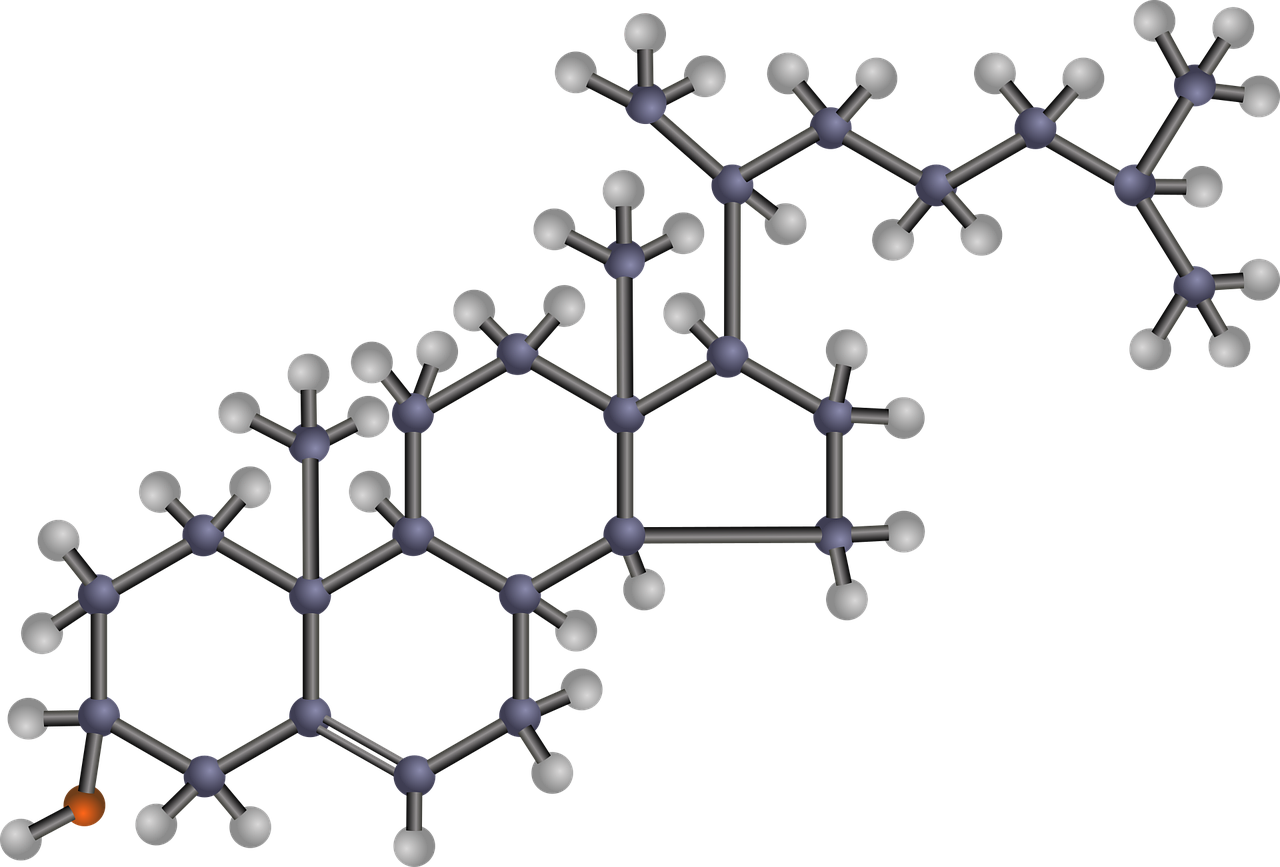
Hormones can make cancer cells grow faster. When hormones like estrogen or testosterone attach to their receptors, they send signals that tell cells to divide. You see this in cancers like breast and prostate cancer. Some hormones, such as human chorionic gonadotropin (hCG), can directly make breast cancer cells multiply. Cholesterol can also act like a hormone and help certain breast cancers grow, even if they do not have estrogen receptors.
Hormones and their receptors play a big role in how hormone-dependent cancers develop.
hCG can make breast cancer cells divide more quickly.
Cholesterol can trigger growth in both estrogen-receptor-positive and triple-negative breast cancers.
Steroid hormones and growth factors can turn on protein kinases, which are important for starting and growing tumors.
Hormones can also change how your cells move through the cell cycle. This means they can make cells keep dividing, even when they should stop. When this happens, cancer cells can become resistant to treatments.
Impact on DNA and Mutation
Hormones do more than just make cells grow. They can also damage DNA. Steroid hormones can cause stress inside cells, leading to DNA changes. These changes can happen when hormones create harmful chemicals called reactive oxygen species. Hormones can also cause breaks in DNA, which can lead to mutations and cancer.
Steroid hormones can cause DNA damage by making DNA adducts and reactive oxygen species.
Hormones can lead to genetic changes and chemical problems in cells.
Estrogen and progesterone can help repair DNA by turning on the p53 pathway, which stops damaged cells from growing.
Male hormones can block p53, making it harder for cells to fix DNA and stop cancer.
The p53 gene helps protect you from cancer. Hormones can change how well this gene works, which affects your cancer risk.
Tumor Microenvironment Effects
Hormones do not just act on cancer cells. They also change the area around the tumor, called the microenvironment. Estrogen, androgen, and progesterone can make the microenvironment better for cancer growth. Hormone receptors can work with growth factors to help tumors grow and spread.
Hormones drive the growth of cancers like prostate, breast, and endometrial cancer.
Hormone receptors and growth factors in the tumor microenvironment help cancer cells multiply.
Tumor cells can change and become resistant to hormone treatments, making the disease harder to control.
When you understand how hormones affect both cancer cells and their surroundings, you can see why hormone balance is so important for your health.
Hormones, Immunity, and Therapy
Hormonal Effects on Immune Response
Your hormones do more than control growth. They also shape how your immune system works. When your hormone levels change, your immune cells can act differently. For example:
Estrogen and progesterone change how immune cells move and work. This can affect how your body fights cancer.
Estrogen can increase certain molecules on cells. These molecules help cancer cells hide from your immune system.
Estrogen makes regulatory T cells (Tregs) grow. Tregs can stop your body from attacking cancer cells.
Progesterone helps Tregs form and changes some immune cells, called macrophages, into a type that helps tumors grow.
Your immune system tries to find and destroy abnormal cells. This process is called cancer immunoediting. At first, your immune system can remove cancer cells. Some cancer cells survive and hide. Over time, these cells can escape and grow into tumors.
Hormones and Cancer Treatment Outcomes
Hormones can change how well cancer treatments work. Doctors use hormone therapy for some cancers, like prostate and breast cancer. Not everyone gets the same results. For example, men with prostate cancer and a low PSA after surgery may not benefit from hormone therapy. Studies show that only men with higher PSA levels (1.6 to 2.4 ng/mL) see real benefits. Short-term hormone therapy, about 4 to 6 months, often works best for these patients.
Tip: Always talk to your doctor about your hormone levels before starting treatment. The right plan depends on your test results.
Targeting Hormonal Pathways
Doctors now use new ways to block hormones from helping cancer grow. These treatments target the hormones or their receptors. Some common methods include:
Removing the ovaries to stop estrogen production.
Blocking signals that tell the body to make estrogen.
Using drugs that stop estrogen from attaching to its receptor.
Stopping the body from turning other hormones into estrogen.
Targeted therapies often cause fewer side effects than older treatments like chemotherapy. You can see the difference in this table:
Treatment Type | Side Effects Description | Severity Comparison |
|---|---|---|
Targeted Therapy | Affects specific cancer markers, sometimes causes skin, hair, or nail problems. | Usually fewer and less severe |
Traditional Treatment | Can cause severe, long-lasting problems, like those from chemotherapy. | More severe and longer-lasting |
New treatments now block key cancer pathways, combine different drugs, and use personal test results to guide therapy. Some even work with your immune system to fight cancer better. These advances help more people live longer and feel better during treatment.
You have learned that hormones drive cancer growth, change how your body fights disease, and shape treatment results. Keeping your hormones balanced lowers your risk. Leading cancer groups recommend:
Breastfeeding lowers breast cancer risk by 22%.
Using hormone therapy with progestin protects women with a uterus.
Hormonal therapy helps manage breast and prostate cancers.
Healthcare teams use different therapies for each cancer:
Cancer Type | Key Considerations | |
|---|---|---|
Hormone receptor-positive breast cancer | Tamoxifen, Aromatase Inhibitors (AIs), SERDs | Treatment depends on menopause status; lowers recurrence risk. |
Prostate cancer | Androgen Deprivation Therapy (ADT), AR inhibitors | ADT is key; combinations help in advanced stages. |
Stay informed by choosing a healthy diet, staying active, and managing stress. These steps help you control your hormone levels and protect your health.
FAQ
What are hormones and why do they matter in cancer?
Hormones are chemicals that send signals in your body. They help cells grow and work. If you have too much or too little of certain hormones, your cancer risk can change.
Can changing my hormone levels lower my cancer risk?
You can lower your cancer risk by keeping your hormones balanced. Healthy habits like eating well, staying active, and managing stress help. Talk to your doctor about your hormone levels.
How do doctors use hormones to treat cancer?
Doctors use hormone therapy to slow or stop cancer growth. They block or lower certain hormones. This treatment works best for cancers like breast and prostate cancer.
Does stress affect cancer through hormones?
Yes, stress hormones can change how your immune system works. High stress can help cancer cells hide and grow. Managing stress supports your health.
Where can I learn more about hormones and cancer?
You can read more by searching for Understanding the Role of Hormones in Cancer Development. Ask your doctor for trusted resources. Learning helps you make smart choices.
This article is for educational purposes only and is not a substitute for professional medical advice. For more details, please see our Disclaimer. To understand how we create and review our content, please see our Editorial Policy.
See Also
Key Features and Behavior of Mammary Secretory Carcinoma
Exploring Islet Cell Carcinoma Within The Endocrine Pancreas
An In-Depth Overview of Various Cancer Types
Cancers Associated With AIDS: Understanding The Different Types

© 2026 Banish Cancer. Banish Cancer is a registered non-profit organization providing evidence-based research, educational courses, and Fear Response AI support services. Reg. No: 305706884 | Address: Taikos pr. 43-603, Kaunas, Lithuania.