Is Biotin Safe for Cancer Patients or Should It Be Avoided?

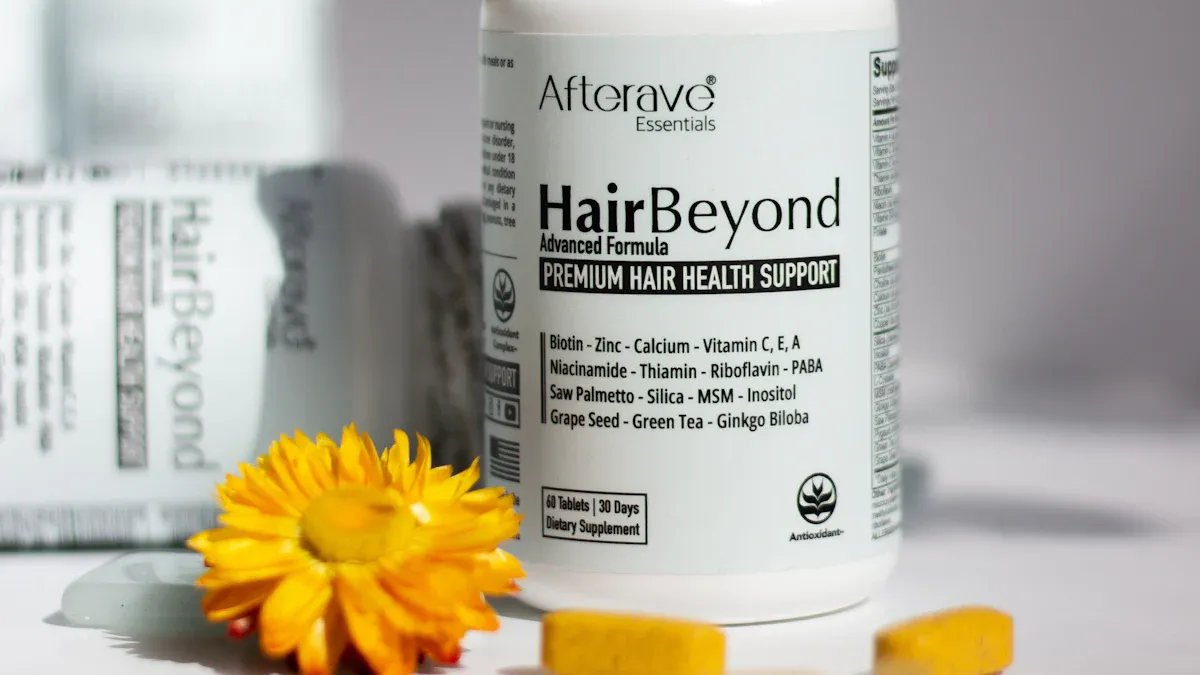
You might wonder if taking biotin is safe while you manage cancer. Doctors warn that biotin can interfere with important lab tests. This interference may affect how your cancer is monitored or treated. Experts suggest you talk to your care team about hair loss and always mention any supplements you use. Most guidelines say you should stop biotin at least 72 hours before blood tests. When you think about Vitamin B7 (biotin) and cancer, always put your safety first.
Key Takeaways
Biotin can interfere with important lab tests, affecting cancer monitoring and treatment. Always inform your doctor about any supplements you take.
Stop taking biotin at least 72 hours before blood tests to ensure accurate results. This helps your care team make the best decisions for your health.
Biotin does not increase cancer risk, but it can mask important cancer markers in tests. Discuss any concerns with your healthcare provider.
Consider safe alternatives for hair, skin, and nails, like minoxidil or iron supplements, instead of biotin during cancer treatment.
Always consult your doctor before starting or stopping any supplement, including biotin, to protect your health and treatment plan.
Vitamin B7 (Biotin) and Cancer
What Is Biotin (Vitamin B7)
You may know biotin as Vitamin B7. Your body needs this vitamin to stay healthy. Biotin helps your body turn food into energy. It supports many important processes in your cells. You use biotin every day, even if you do not notice it.
Here are some ways biotin works in your body:
It helps make fatty acids, which your body uses for energy.
It breaks down certain amino acids, like leucine, from the protein you eat.
It starts the process your body uses to make glucose from other nutrients.
It helps break down some fats and proteins.
When you think about Vitamin B7 (biotin) and cancer, you should know that biotin is not made by your body in large amounts. You get most of it from food or supplements.
Why Cancer Patients Consider Biotin
Many people with cancer worry about changes to their hair, skin, and nails. You might notice hair loss or brittle nails during treatment. Some people also get skin rashes. These side effects can make you feel less like yourself.
You may hear that biotin can help with these problems. People often take biotin to:
Improve hair health and reduce hair loss.
Strengthen nails that break easily.
Soothe or treat skin rashes.
Vitamin B7 (biotin) and cancer often come up together because patients want to feel better during treatment. You may want to try biotin to support your appearance and confidence. Before you start any supplement, always talk to your doctor. Your care team can help you decide what is safe for you.
Risks for Cancer Patients
Lab Test Interference
You need to know that biotin can change the results of many important lab tests. This is a big concern for people with cancer. Many tests for breast, ovarian, prostate, and thyroid cancers use biotin-based technology. If you take extra biotin, your test results may not be correct.
Biotin can make prostate-specific antigen (PSA) levels look lower than they really are. PSA helps doctors check for prostate cancer recurrence.
Thyroid-stimulating hormone (TSH) levels may also appear lower. This can confuse your care team, especially if you have thyroid cancer or take immunotherapy.
Biotin can make reproductive hormone levels, like estradiol, look higher. This may delay the right treatment for you.
Doctors use many lab tests to monitor your cancer. Here are some tests that biotin can affect:
TSH, PTH, free T4, free T3
PSA, free PSA
Estradiol, testosterone, progesterone
CA 15-3, CA 125, CA 19-9, CEA
Cortisol, insulin, ACTH, prolactin, betaHCG
Biotin supplementation can lead to inaccurate thyroid hormone measurements in standard assays, resulting in falsely elevated T4 and T3 levels and reduced TSH levels. This can cause misdiagnosis of hyperthyroidism or incorrect assumptions about thyroid hormone dosage.
The way biotin interferes depends on the test. In some tests, biotin can make results look too low. In others, results may look too high. You can see the difference in this table:
Assay Type | How Biotin Interferes |
|---|---|
Competitive Assays | Biotin competes for binding sites, causing falsely high results. |
Sandwich Assays | Biotin blocks binding, causing falsely low results. |
If you use biotin, your doctor may not get a true picture of your health. This can lead to wrong decisions about your cancer care.
Masking Cancer Markers
You want your cancer team to have the best information. High doses of biotin can hide important signs of cancer in your blood tests. This can lead to missed or delayed diagnoses.
Biotin can mask cancer markers, such as PSA for prostate cancer and CA 15-3 for breast cancer.
Some patients have received the wrong treatment because their test results were not accurate.
There are reports of people with low TSH and PTH levels due to biotin. Their results returned to normal after stopping biotin.
If your lab results do not match how you feel, tell your doctor about any supplements you take. This helps your care team avoid mistakes.
Other Safety Concerns
You may worry that taking biotin could make your cancer worse. Right now, no studies show that biotin increases your risk of cancer coming back or growing. Most concerns focus on how biotin affects lab tests, not on cancer itself.
No research links biotin to higher cancer risk.
Low-dose biotin (up to 10 mg) can still interfere with lab tests.
Experts recommend stopping biotin for at least 48–72 hours before blood tests; some clinicians prefer up to one week for high‑dose users.
Vitamin B7 (biotin) and cancer is a topic you should discuss with your doctor. You want to make sure your test results are as accurate as possible. If you need to take biotin, always let your care team know. This helps them give you the best care.
Vitamin B7 (biotin) and cancer can be a confusing topic. You do not have to figure it out alone. Your doctor can help you decide what is safe for you.
Biotin Use During and After Treatment
During Chemotherapy or Radiation
You may want to take supplements to help with side effects during cancer treatment. Doctors do not recommend routine biotin use during chemotherapy or radiation. Biotin can change the results of important blood tests. These tests help your care team track your progress and adjust your treatment. Even low doses of biotin can interfere with lab tests for tumor markers. This can make it hard for your doctor to know if your treatment is working. You should stop taking biotin at least one week before any blood tests. Always talk to your doctor before starting any new supplement during treatment.
Tip: Tell your care team about all supplements you use. This helps them give you the best care.
If you take biotin during treatment, you may face these risks:
Lab results may not be accurate.
Your treatment plan could change based on wrong information.
Important cancer markers may be hidden.
After Treatment
When you finish treatment, you may still want to improve your hair, skin, or nails. Biotin can still affect lab results after treatment. Accurate test results are important for follow-up care. There is little proof that biotin helps with hair loss in cancer patients. Doctors often suggest other options, like minoxidil, for hair regrowth. You should ask your doctor before using biotin or any supplement after treatment.
Biotin can cause false lab results during follow-up.
Alternatives like minoxidil may work better for hair regrowth.
There is not much evidence that biotin helps with hair loss.
Different Cancer Types
Vitamin B7 (biotin) and cancer can look different for each person. Some cancers use biotin in special ways. For example, breast cancer cells may change how they use biotin. This can affect how the cancer grows or spreads. Some cancer cells can use biotin to survive when nutrients are low. Changes in certain genes can also make cancer cells depend more on biotin. Your doctor may consider your cancer type when giving advice about biotin.
Cancer cells can adapt and use biotin differently. This means your care team may give you special advice based on your cancer type.
Recommendations and Alternatives
If You’re Taking Biotin
You may already take biotin for hair, skin, or nail health. If you need lab tests, you should stop biotin before your appointment. The time you need to wait depends on your dose. You can use this table to check how long you should pause biotin:
Recommended Abstinence Period | |
|---|---|
Standard doses (up to 5,000 µg) | 8 hours |
High doses (10,000 µg and above) | 72 hours |
Very high doses (≥100 mg) | Minimum 72 hours |
Let your doctor know about your biotin use. This helps your care team get accurate test results and make the best decisions for your treatment.
When to Stop or Avoid Biotin
You should avoid biotin if you have upcoming lab tests or cancer monitoring. Biotin can change your test results and affect your care. Here are times when you need to stop or avoid biotin:
You have blood tests scheduled for cancer markers or hormones.
Your doctor needs to check your progress or adjust your treatment.
You have a history of cancer types that use biotin in cell growth.
You want to prevent mistakes in diagnosis or treatment.
Some studies show biotin may help cancer cells grow when nutrients are low. You should always ask your doctor before starting or stopping any supplement.
Safe Alternatives for Hair, Skin, and Nails
You can find safe ways to support your hair, skin, and nails during cancer care. Many options work well and do not interfere with lab tests.
Minoxidil is a safe, over-the-counter treatment for hair loss. You can use it as a lotion or foam.
Iron supplementation helps if you have low iron levels. Your doctor can check your iron and recommend the right dose.
Referral to a dermatologist gives you more options for hair loss management.
You can also use supplements with strong safety profiles. This table shows some choices:
Supplement | Safety Profile | Benefits |
|---|---|---|
Polypodium leucotomos extract | Excellent safety profile; protects against skin photoaging and cancer prevention | Inhibits oxidative stress, reduces DNA mutations, and helps repair sun-induced damage |
Carotenoids | Generally safe; antioxidant properties | Protects against sunlight damage, improves skin health, and enhances skin elasticity |
Collagen peptides | Safe with long-lasting effects; improves skin moisture and elasticity | Reduces wrinkles, improves skin condition, and supports hair and nail health |
Clinical studies show biotin does not help hair, skin, or nails in cancer patients. Doctors recommend minoxidil and iron for hair growth. You can choose safe alternatives and talk to your care team for the best advice.
You need to know that biotin can change your lab results and make cancer care harder.
Biotin may cause false readings in blood tests.
Experts say you should stop biotin 48 to 72 hours before lab work.
Always tell your doctor about any supplements you take.
Ask your care team before starting or stopping biotin.
You can protect your health by working closely with your healthcare provider.
FAQ
Can biotin supplements cause cancer to return?
You do not need to worry about biotin causing cancer to return. Studies show biotin does not increase your risk of cancer recurrence. The main concern is lab test interference, not cancer growth.
How long should you stop biotin before a blood test?
You should stop biotin at least 72 hours before your blood test. High doses may require a longer pause. Always tell your doctor about your supplement use.
What foods contain natural biotin?
You can find biotin in eggs, nuts, seeds, salmon, and sweet potatoes. Eating a balanced diet gives you enough biotin without needing supplements.
Tip: Choose whole foods for natural biotin and better overall health.
Are there safe ways to improve hair loss during cancer treatment?
You can use minoxidil or ask your doctor about iron supplements. Dermatologists offer other safe options. Biotin does not help hair loss in cancer patients.
Should you tell your doctor about biotin supplements?
You should always tell your doctor about any supplements you take. This helps your care team avoid mistakes in your cancer care and ensures accurate lab results.
This article is for educational purposes only and is not a substitute for professional medical advice. For more details, please see our Disclaimer. To understand how we create and review our content, please see our Editorial Policy.
See Also
A Simple Explanation of Extrahepatic Bile Duct Cancer
An In-Depth Overview of Various Cancer Types
Recognizing Symptoms and Treatments for Duodenal Cancer

© 2026 Banish Cancer. Banish Cancer is a registered non-profit organization providing evidence-based research, educational courses, and Fear Response AI support services. Reg. No: 305706884 | Address: Taikos pr. 43-603, Kaunas, Lithuania.