How Therapy Strengthens Family Bonds During Illness

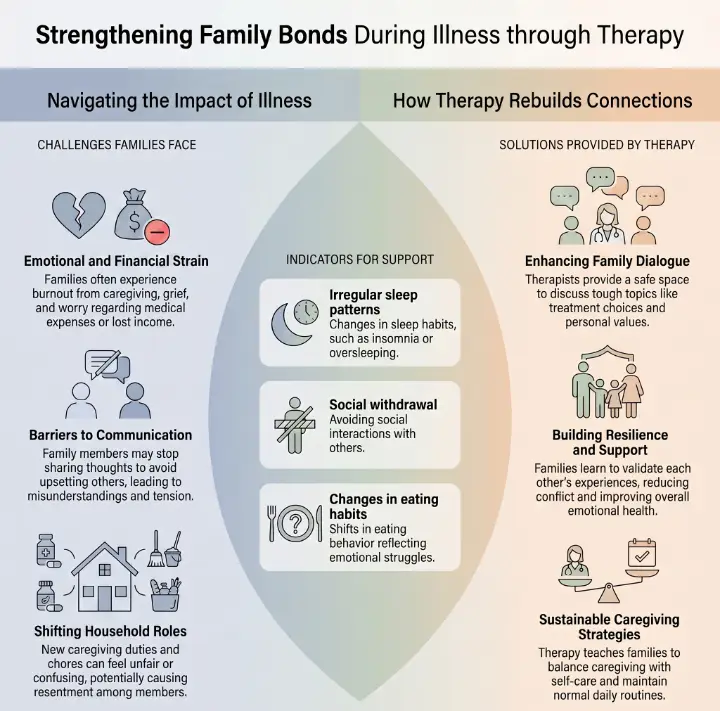
When illness enters your family, everything can feel overwhelming. Therapy steps in as a steady guide. You get practical tools for better communication and support. Many families notice less stress and more understanding when they talk openly in therapy. You will find a safe place to share your feelings and learn healthy ways to cope. The Role of Therapy in Family Dynamics During Illness means you can build stronger connections and support each other, even in tough times.
Key Takeaways
Therapy provides a safe space for families to communicate openly about illness, reducing misunderstandings and building trust.
Emotional support from therapy helps families feel less alone and strengthens their bonds during tough times.
Families learn practical strategies in therapy to manage caregiving roles and maintain balance at home.
Regular family meetings and open communication can help address issues before they escalate, promoting a supportive environment.
Therapy improves overall family well-being, leading to better moods, less stress, and stronger relationships.
Challenges Families Face
Emotional Stress
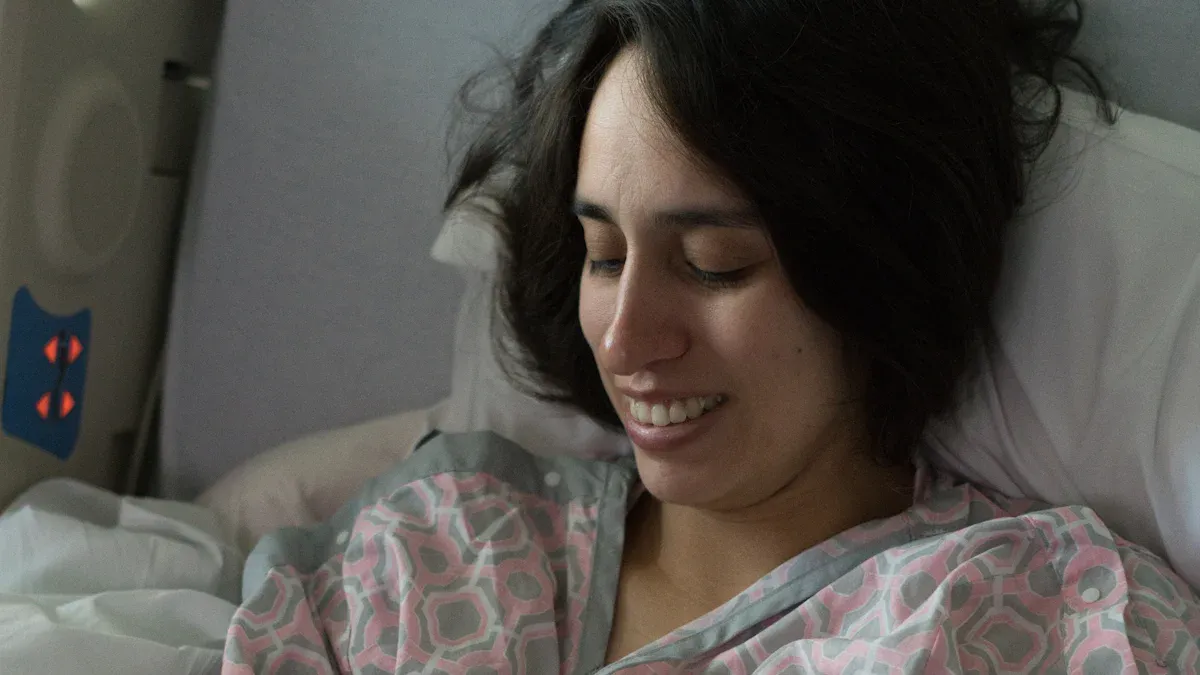
You might notice that illness brings a lot of emotional stress into your family. It can feel like you are carrying a heavy load every day. Many families deal with:
Worry about money because of medical bills or lost income
Feeling tired or burned out from caregiving
Guilt or grief when things do not go as planned
Tension between parents or partners
Sadness or frustration that does not go away
These feelings can make it hard to enjoy time together. You may see more arguments or less patience at home. Kids and parents often feel guilty about the changes illness brings. This stress can affect how everyone gets along.
Tip: You are not alone. Many families feel this way during tough times. Talking about your feelings can help.
Communication Issues
When someone in your family is sick, talking can get harder. You might not know what to say or worry about making things worse. Sometimes, people stop sharing their thoughts because they do not want to upset others. This can lead to misunderstandings and hurt feelings.
Therapists often use methods like Structural Family Therapy to help families talk better. They watch how you interact and give tips to make conversations easier. You learn to listen and share without blaming. The Role of Therapy in Family Dynamics During Illness includes helping you break down walls and build trust again.
Changing Roles
Illness can change what everyone does at home. Maybe you have to take on new chores or help care for a loved one. These changes can feel unfair or confusing. If you do not talk about them, people might feel resentful or left out.
Families often need to adjust who does what when someone is sick.
Open talks help everyone understand and support each other.
Family therapy can guide you through these changes, making sure no one feels alone.
You might notice that parents and kids both struggle with new roles. Family therapy focuses on these shifts and helps you find balance. When you talk openly, you can avoid fights and feel closer as a team.
The Role of Therapy in Family Dynamics During Illness
Enhancing Communication
You know how hard it gets to talk when illness changes everything at home. The Role of Therapy in Family Dynamics During Illness gives you a safe place to speak and listen. Therapists help you open up about tough topics, like prognosis or treatment choices. You learn to share your feelings without blaming others. Sometimes, you just need someone to guide the conversation so everyone feels heard.
Here’s how therapy improves communication:
You discuss important decisions together, like treatment preferences.
You talk about values and hopes for your loved one, even if they can’t speak for themselves.
You learn to express your feelings instead of making accusations.
You listen to each other and respect differences.
You time serious talks so they don’t happen during stressful moments.
Tip: Therapists remind you not to dominate conversations or dismiss feelings. They help you see things from each other’s point of view.
You start to notice fewer misunderstandings. You build trust and learn to support each other, even when emotions run high.
Emotional Support and Validation
The Role of Therapy in Family Dynamics During Illness means you get emotional support when you need it most. Therapy helps you feel understood and less alone. You learn to validate each other’s experiences, which makes everyone feel stronger.
Family counseling improves communication and reduces conflict.
You work together to solve problems and build resilience.
Therapy encourages you to share your struggles and celebrate small victories.
You see improvements in emotional health and less stress.
Families often report feeling closer after therapy.
Studies show that about 90% of people notice better emotional health and relationships during and after therapy. Family involvement can even lower hospitalization and relapse rates. You find hope and encouragement, which helps you stick with treatment and build healthy habits.
Note: Family support is key to mental health recovery. You motivate each other and create a stable environment for healing.
Navigating Caregiving and Responsibilities
Illness changes who does what at home. The Role of Therapy in Family Dynamics During Illness helps you manage new caregiving duties and keep your relationships strong. Therapists teach you practical strategies so you don’t feel overwhelmed.
Strategy | Description |
|---|---|
Open Communication | Keep talking, even when it’s hard. |
Preserve Normalcy | Find ways to keep routines and fun moments. |
Self-Care | Take care of yourself while caring for others. |
Sense of Humor | Laugh and keep perspective when things get tough. |
You learn to balance caregiving with your own needs. Therapy helps you find creative ways to keep life as normal as possible. You discover that self-care isn’t selfish—it’s necessary.
Callout: Families who use therapy strategies finish treatment more often and feel more satisfied. About 97% of clients say therapy helped them, and 91% feel better able to handle family problems.
Let’s look at how therapy improves family health outcomes:
Study Type | Findings | |
|---|---|---|
Systematic Review | Family participation links to better treatment retention | |
Randomized Controlled Trials | 62% of treatments involved a caregiver | |
Psychotherapy Claims Review | Caregiver present in 46% of claims | |
Mental Health Services Review | Caregivers attended 42% of sessions | |
Subsequent Study | Multiple caregivers boost treatment completion |
You see that families who join therapy sessions stick with treatment more often. You get better results and feel more confident facing illness together.
The Role of Therapy in Family Dynamics During Illness also adapts to different situations. Chronic illness brings ongoing changes and tough decisions. Acute illness is usually short and easier to manage. Therapy helps you adjust your roles and routines, no matter what you face.
Aspect | Chronic Illness | Acute Illness |
|---|---|---|
Nature of Illness | Ongoing, often multiple conditions | Usually one condition at a time |
Treatment Duration | Long-term commitment | Short-term, often resolved quickly |
Decision-Making Complexity | High, with ongoing adjustments | Lower, more straightforward |
Family Dynamics | Big impact on roles and resources | Limited impact, often temporary |
Compliance Challenges | Lower, unclear treatment benefits | Higher, clear link between treatment and outcome |
Social Perception | Not always seen as 'sick' | Clearly defined 'sick role' |
You find that therapy gives you tools to handle both types of illness. You learn to work as a team and support each other, no matter how long the journey lasts.
Strengthening Bonds Through Therapy

Family Therapy Sessions
You might wonder what happens during family therapy sessions. These meetings give you a safe space to talk about tough topics. Therapists use different techniques, like psychoeducational family therapy, behavioral family therapy, and communication skills training. You learn how your actions affect others. Circular questioning helps you see things from each person’s point of view. Multifamily groups let you share experiences with other families facing illness. You build trust and learn to solve problems together.
Therapy helps you resolve conflicts that come from stress.
You set realistic goals for treatment and caregiving.
You focus on quality of life, not just survival.
You talk about end-of-life decisions with support.
You reflect on challenges and build resilience as a team.
Tip: Family therapy sessions can make it easier to express feelings and listen to each other. You start to notice fewer arguments and more understanding.
Applying Therapy Tools at Home
You don’t have to wait for therapy sessions to use what you learn. You can bring therapy strategies into your daily life. Try regular family meetings where everyone shares thoughts and emotions. Open communication helps you address issues before they grow. Use team-building activities to strengthen unity. Journaling or gratitude exercises shift your focus from problems to strengths. Mindfulness and relaxation exercises help you manage stress.
Promote open communication every day.
Use family therapy techniques to solve problems.
Create safe spaces for sharing.
Practice acts of kindness as a family.
Callout: The Role of Therapy in Family Dynamics During Illness teaches you to recognize when you need extra help. If you notice irregular sleep patterns, social withdrawal, or changes in eating habits, it might be time to seek professional support.
Indicator | Description |
|---|---|
Irregular sleep patterns | Changes in sleep habits, such as insomnia or oversleeping, linked to mental health conditions. |
Social withdrawal | Avoiding social interactions, indicating underlying mental health challenges. |
Changes in eating habits | Shifts in eating behavior reflecting emotional struggles, such as stress or anxiety. |
Building a Supportive Environment
You can create a supportive environment at home. Offer emotional support by listening and showing empathy. Help with daily tasks to reduce stress. Share information about treatment options so everyone feels empowered. Establish rituals around emotional support, like checking in with each other or celebrating small victories.
Emotional support makes everyone feel less alone.
Practical support helps you focus on recovery.
Informational support gives you confidence in decisions.
Note: Recognize signs like increased irritability or mood swings. Intense guilt after a loss can mean you need more support. Therapy can help your family build resilience and stay connected.
You see improvements in communication, conflict resolution, and emotional health. Families who use these strategies feel closer and stronger during illness.
Therapy gives you tools to face illness together. You learn new ways to talk, solve problems, and support each other. Many families say therapy helps them feel closer and less alone. Here’s what you can expect:
Benefit | Description |
|---|---|
Better Communication | You share feelings and understand each other more. |
Stronger Relationships | Therapy builds warmth and trust in your family. |
Less Stress | You learn coping skills that lower anxiety and worry. |
Improved Well-being | Families report better moods and daily life. |
Choosing therapy shows you care about your family’s health. You can get through tough times and grow stronger together. You are not alone—hope and support are always possible.
FAQ
What if my family feels nervous about starting therapy?
It’s normal to feel nervous. You can talk to your therapist about your worries. They will guide you step by step. You set the pace. You don’t have to share anything before you feel ready.
How do I know if family therapy is right for us?
If you notice more arguments, stress, or distance, therapy can help. You don’t need a crisis to start. Therapy works for families who want better communication and support during illness.
Can kids join family therapy sessions?
Yes! Kids can join. Therapists use games, art, or stories to help them share. You can all learn new ways to talk and listen together.
What if we disagree during therapy?
Disagreements happen. Therapy gives you a safe space to talk things out. The therapist helps everyone listen and understand each other. You learn to handle conflict in a healthy way.
This article is for educational purposes only and is not a substitute for professional medical advice. For more details, please see our Disclaimer. To understand how we create and review our content, please see our Editorial Policy.
See Also
Choroid Plexus Carcinoma: Recognizing Symptoms And Available Treatments
Conjunctival Melanoma: Identifying Symptoms And Treatment Options
Lymphomatoid Granulomatosis: Symptoms To Watch For And Treatments
LGL Leukemia: Important Symptoms, Diagnosis And Treatment Insights
Angioimmunoblastic T-Cell Lymphoma: Essential Information Post-Diagnosis

© 2026 Banish Cancer. Banish Cancer is a registered non-profit organization providing evidence-based research, educational courses, and Fear Response AI support services. Reg. No: 305706884 | Address: Taikos pr. 43-603, Kaunas, Lithuania.